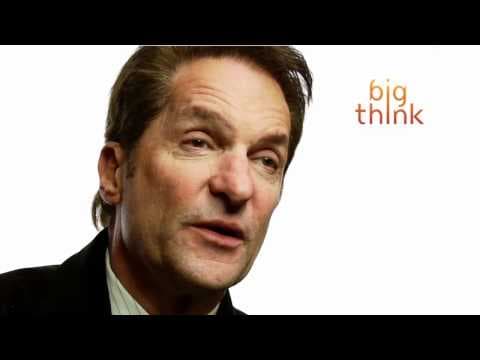
Big Think 2017 Top Ten: #6. Richard Dawkins on Why Not All Opinions Are Equal, and Elitism

TL;DR
People's lack of expertise and reliance on false information led to the Brexit vote, highlighting the dangers of disregarding experts' opinions.
Transcript
Among the reasons that I heard for people wanting to vote for Brexit were, 'Well, it’s nice to have a change,' and, 'Well, I preferred the old blue passport to the European purple passport.' These are the kinds of reasons people were giving for voting for Brexit. The day after the referendum, the most Goggled question in Britain was: What is the Eu... Read More
Key Insights
- 🖤 Ordinary people lacked the necessary knowledge and expertise to make an informed decision on Brexit.
- 💁 Relying on false information during campaigns can sway voters and influence outcomes.
- ❓ The cult of equating all opinions as equally valid undermines the importance of expertise in decision-making.
- 🏑 The need for elitism in certain fields, such as medicine and piloting, highlights the importance of expertise.
- ❓ Representative democracy, rather than referendum democracy, is a more suitable approach to decision-making.
- 🇺🇸 Inequality already exists in systems like the United States Senate, where each state has equal representation regardless of population size.
- 😥 The Senate's role in important decision-making and appointing Supreme Court nominees highlights the impact of unequal representation.
Install to Summarize YouTube Videos and Get Transcripts
Explore YouTube Video Summarizer or Get YouTube Transcript Extractor
Questions & Answers
Q: Why did people vote for Brexit?
Reasons included a desire for change and preferences for certain symbols like the old passport, rather than a deep understanding of the European Union and its implications.
Q: How did false information impact the Brexit vote?
The Brexit campaign misled voters with false claims, such as a bus slogan promising funds for the national health system, leading many to make their decision based on inaccurate information.
Q: Is it important to rely on experts in decision-making?
Yes, when making significant decisions like leaving a long-established federation of states, it is crucial to seek advice from experts in economics, politics, or history, rather than relying on unqualified individuals.
Q: What is the danger of equating all opinions as equally valid?
Treating all opinions as equally valid disregards the expertise and knowledge that professionals in various fields possess, leading to uninformed decisions and potentially harmful consequences.
Summary & Key Takeaways
-
Brexit was influenced by reasons such as desiring change and preferring the old passport, rather than a comprehensive understanding of the European Union.
-
The referendum gave ordinary people without expertise in economics, politics, or history the power to make a complex decision that will impact Britain for decades.
-
The belief that all opinions are equally valid is dangerous, and the need for experts in different fields should be respected.
Read in Other Languages (beta)
Share This Summary 📚
Summarize YouTube Videos and Get Video Transcripts with 1-Click
Try YouTube Summary with ChatGPT & Claude or YouTube Transcript Generator
Explore More Summaries from Big Think 📚



Summarize YouTube Videos and Get Video Transcripts with 1-Click
Try YouTube Summary with ChatGPT & Claude or YouTube Transcript Generator