What Should You Do Before Investing in Real Estate?
TL;DR
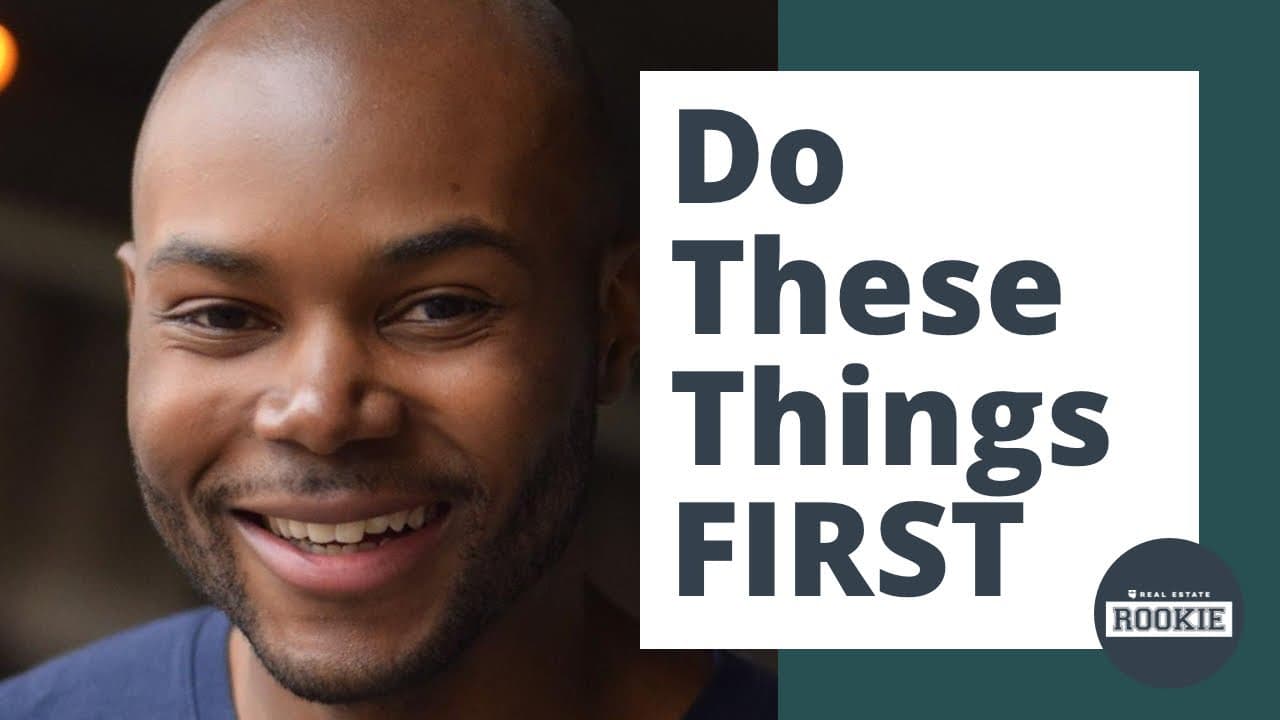
Before investing in real estate, it's crucial to establish a strong financial foundation by eliminating credit card debt, building an emergency fund, and paying off high-interest debts. This preparation helps ensure you are financially ready to face the challenges of becoming a full-time real estate investor.
Transcript
hey guys my name is tony j robinson and i'm the co-host of the bigger pockets real estate rookie podcast i'm also a real estate investor who recently made the jump from working a w-2 to investing full-time in real estate now the very first thing i want to talk about is getting your personal finances in order why are we starting here well because qu... Read More
Key Insights
- Building a strong financial foundation is crucial for successful real estate investing. This includes managing personal debt and avoiding poor financial habits that can undermine your business.
- Eliminating credit card debt is a priority. Many Americans accumulate unnecessary debt through credit cards, which can become a significant financial burden.
- Having an emergency fund is essential. Start with a $1,000 emergency fund and aim to cover six months of expenses for financial security.
- Paying off expensive debts, such as student loans or car loans, is important. While not all debts need to be cleared, focusing on costly ones can improve financial stability.
- Reducing unnecessary expenses can aid in financial readiness for real estate investment. Evaluate subscriptions, memberships, and other recurring costs.
- Transitioning from a traditional job to full-time real estate investing involves financial risks. Being financially prepared can mitigate these risks.
- Achieving financial freedom through real estate requires dedication and passion. It involves hard work and long hours, similar to or more than a traditional job.
- Connecting with resources like the Bigger Pockets Real Estate Rookie Podcast can provide valuable insights and inspiration for new investors.
Install to Summarize YouTube Videos and Get Transcripts
Explore YouTube Video Summarizer or Get YouTube Transcript Extractor
Questions & Answers
Q: Why is it important to manage personal finances before investing in real estate?
Managing personal finances is crucial before investing in real estate because poor financial habits can transfer to your business, leading to instability. A strong financial foundation helps avoid debt traps and ensures you have the resources needed to sustain and grow your real estate investments.
Q: What initial steps should be taken to build a financial foundation for real estate investing?
Initial steps include eliminating credit card debt, establishing an emergency fund, and paying off expensive debts. These actions create a stable financial environment, reducing risks associated with unexpected expenses and financial burdens, thereby facilitating a smoother transition into real estate investing.
Q: How can one effectively reduce unnecessary expenses?
Reducing unnecessary expenses involves evaluating current spending habits and cutting non-essential costs. This might include canceling unused subscriptions, reducing dining out, and reassessing memberships. By minimizing these expenses, you can allocate more resources towards building your investment portfolio.
Q: What role does an emergency fund play in real estate investing?
An emergency fund provides a financial cushion for unforeseen expenses, such as medical emergencies or unexpected property repairs. It offers peace of mind and financial stability, allowing investors to focus on growing their real estate portfolio without being derailed by sudden financial setbacks.
Q: Why is eliminating credit card debt emphasized before starting real estate investing?
Eliminating credit card debt is emphasized because it often carries high interest rates, which can quickly accumulate and become a financial burden. By clearing this debt, investors free up cash flow and reduce financial stress, enabling them to focus on building a successful real estate business.
Q: What are the potential consequences of not having a strong financial foundation before investing?
Without a strong financial foundation, investors risk falling into debt traps and facing financial instability. This can lead to difficulties in managing properties, missed investment opportunities, and even bankruptcy, ultimately hindering the growth and success of their real estate ventures.
Q: How does transitioning to full-time real estate investing impact work-life balance?
Transitioning to full-time real estate investing can impact work-life balance by increasing the workload compared to a traditional job. However, it offers flexibility in choosing when and how to work. This requires passion and dedication, as the demands of managing investments can be significant.
Q: What resources are recommended for new real estate investors?
New real estate investors are encouraged to connect with educational resources like the Bigger Pockets Real Estate Rookie Podcast. Such platforms provide valuable insights, inspiration, and actionable information from experienced investors, helping newcomers navigate the complexities of real estate investing.
Summary & Key Takeaways
-
Tony J. Robinson emphasizes the importance of having a solid financial foundation before diving into real estate investing. He highlights the need to manage personal finances effectively to avoid the pitfalls that many face.
-
Key steps include eliminating credit card debt, building an emergency fund, and paying off burdensome debts. These measures help ensure financial readiness for the challenges of real estate investment.
-
Robinson also discusses the importance of reducing unnecessary expenses and the dedication required for successful real estate investing. He encourages connecting with educational resources for guidance.
Read in Other Languages (beta)
Share This Summary 📚
Summarize YouTube Videos and Get Video Transcripts with 1-Click
Try YouTube Summary with ChatGPT & Claude or YouTube Transcript Generator
Explore More Summaries from Real Estate Rookie 📚




Summarize YouTube Videos and Get Video Transcripts with 1-Click
Try YouTube Summary with ChatGPT & Claude or YouTube Transcript Generator