How Spending My Childhood in a Maximum Security Prison Changed Me | Jeffrey Deskovic
TL;DR
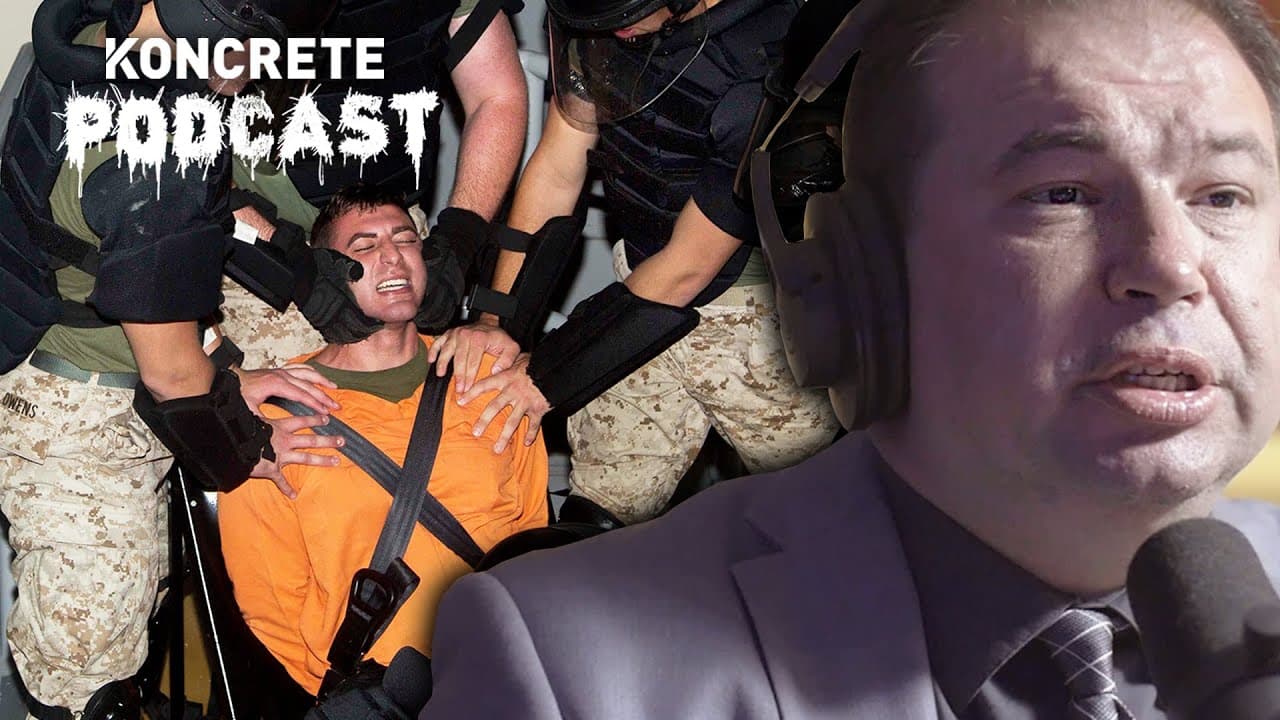
A man shares his harrowing experience of surviving 16 years in prison for a crime he didn't commit.
Transcript
so my sentence was 15 to life and what that means is you have to do 15 years minimum before you then see the parole board and the life part of it means that there was never going to come a point in time where they were legally obligated to release me it was just going to be up to their discretion yes a maximum security i was sent to a maximum secur... Read More
Key Insights
- 🧑⚕️ Wrongfully convicted individuals often experience profound psychological trauma during incarceration, impacting their mental health and worldview.
- ❓ Isolation from supportive familial connections exacerbates feelings of loneliness and hopelessness in prison.
- 👨🔬 Coping strategies may include both spiritual faith and practical activities such as legal research, offering inmates a sense of control over their destinies.
- 😚 The process of claiming innocence through legal channels is often fraught with obstacles, including lost appeals and administrative rejections.
- 💼 Support from organizations like the Innocence Project can be crucial in re-opening cases and utilizing advancements in forensic science for exoneration.
- 🏣 The transition back to society post-incarceration is complex, requiring acquisition of basic life skills that many take for granted.
- 🥺 Incarceration can lead to a deep mistrust of legal systems, fostering cynicism that affects future interactions with authority figures.
Install to Summarize YouTube Videos and Get Transcripts
Explore YouTube Video Summarizer or Get YouTube Transcript Extractor
Questions & Answers
Q: What was the initial reaction to being sentenced to 15 years to life?
The sentence was a devastating shock, especially at the age of 17. The idea of being imprisoned for a minimum of 15 years and facing potential lifelong confinement was daunting, compounded by the gravity of the crime he was wrongfully accused of.
Q: How did prison life impact the psychological state of someone wrongfully incarcerated?
Being in prison fostered feelings of hopelessness and isolation, leading to suicidal thoughts. The unfair environment caused psychological changes, making it difficult to maintain hope and trust in the legal system.
Q: What coping mechanisms did he develop during incarceration?
He turned to faith as a source of strength, relied heavily on legal research to feel empowered, and engaged in activities like watching television and playing sports as temporary escapes from his grim reality.
Q: How did the Innocence Project play a role in his exoneration?
After years of rejection, the Innocence Project reconsidered his case when DNA technology advanced. They helped advocate for retesting evidence that ultimately led to identifying the true perpetrator and securing his release.
Q: What were the challenges he faced while reintegrating into society?
The reintegration process was daunting; he had to learn everyday skills like managing finances and socializing, having missed formative experiences due to incarceration, which left him feeling out of touch and unprepared.
Q: What specific events highlighted the danger he faced in prison?
He faced hostility from other inmates due to the nature of his conviction for a sex offense, leading to violent encounters. A notable incident involved being attacked with a weight plate, illustrating the extreme risks involved in prison life.
Q: How did he maintain hope during his long sentence?
He focused on short-term goals, living from appeal to appeal, and sought encouragement from exoneration stories, using them as motivation to endure the harsh realities of prison life.
Q: What was the turning point that finally led to his release?
The turning point came when DNA evidence confirmed the identity of the actual perpetrator, leading to his conviction being overturned and prompting his release, which had been a long-awaited hope for years.
Summary & Key Takeaways
-
The content details the emotional and physical challenges faced by a man wrongfully convicted, highlighting the fear and uncertainty of incarceration since age 17.
-
He describes the coping strategies he developed, including relying on faith, pursuing legal knowledge, and maintaining hope through letters and connections to the outside world.
-
The narrative culminates in his exoneration after an agonizing battle with the justice system, emphasizing his resilience amidst overwhelming adversity.
Read in Other Languages (beta)
Share This Summary 📚
Summarize YouTube Videos and Get Video Transcripts with 1-Click
Try YouTube Summary with ChatGPT & Claude or YouTube Transcript Generator
Explore More Summaries from Danny Jones 📚




Summarize YouTube Videos and Get Video Transcripts with 1-Click
Try YouTube Summary with ChatGPT & Claude or YouTube Transcript Generator