10 Game Company Decisions That Backfired BADLY [Pt 3]
TL;DR
Major game company decisions have consistently led to backlash and financial losses.
Transcript
(electronic chiming) - [Falcon] Game companies often make baffling decisions that no one understands, and they blow up in their face. Hi, folks, it's Falcon, and today on Gameranx, "10 Game Company Decisions That Backfired BADLY Part 3" Before we start, I'll let you know we've done, like I said, two other parts to this. Part one hits firing Kojima,... Read More
Key Insights
- 🙈 Blizzard’s disconnect with the "Diablo IV" community reflects broader issues that can arise when companies ignore player feedback.
- 😀 The failure of games-as-a-service models illustrates the challenges developers face when abandoning successful formulas for unproven formats.
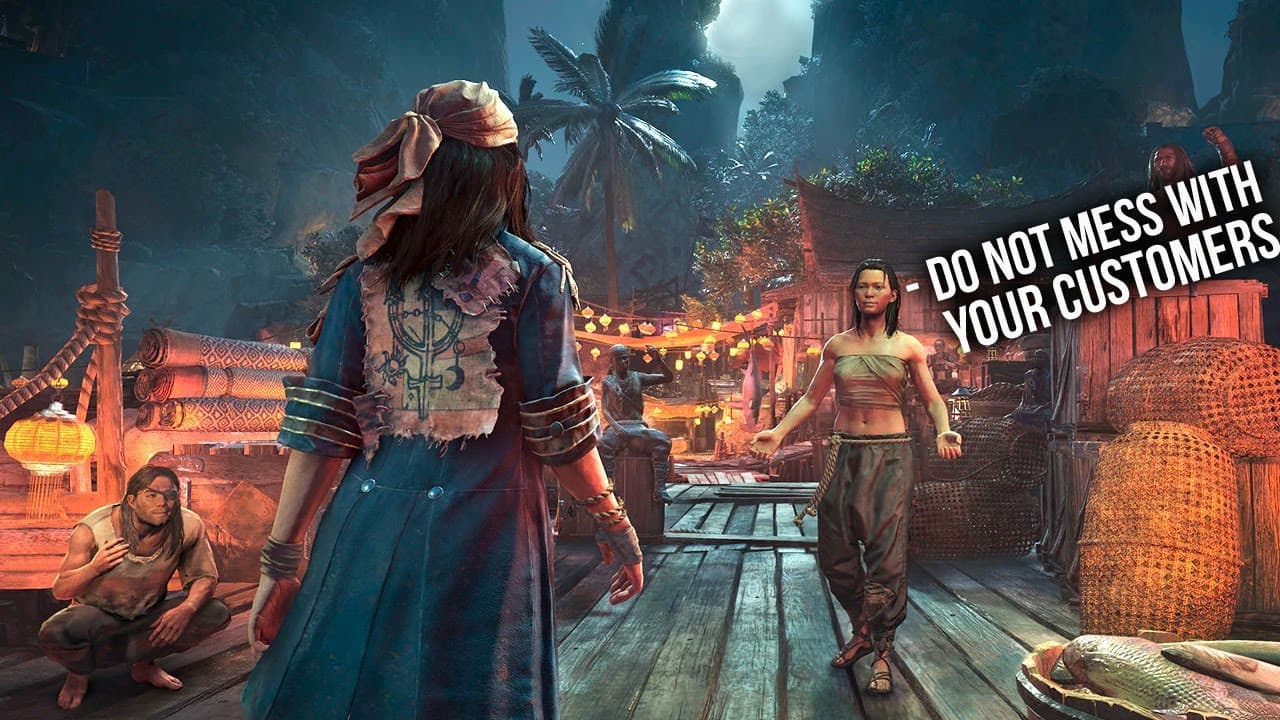
- 💀 Ubisoft’s prolonged development of "Skull & Bones" underscores the dangers of contractual obligations overshadowing creative direction.
- 👨💼 Unity’s controversial changes created a crisis of trust with developers, highlighting the fragility of business relationships within the gaming industry.
- 🛟 The Overwatch League serves as a cautionary tale of overestimating audience interest in eSports without robust management strategies.
- 🍉 Historical decisions made by Atari showcase the long-term impacts of quality control failures in shaping a company's reputation.
- 🌱 As the gaming landscape evolves, emerging studios must balance ambitious plans with sustainable growth to avoid rapid declines.
Install to Summarize YouTube Videos and Get Transcripts
Explore YouTube Video Summarizer or Get YouTube Transcript Extractor
Questions & Answers
Q: What were the main issues with Blizzard's "Diablo IV" patch 1.1.0?
The patch proposed changes that made the game’s XP grind more tedious, lowered damage and defense, and did not address player requests for more content. This led to a significant backlash and an 87% drop in player engagement, showcasing Blizzard's disconnect from its community.
Q: How did PlatinumGames’ shift to live-service games affect its reputation?
PlatinumGames faced intense criticism for switching from their successful single-player titles to the poorly received "Babylon's Fall," which reported only a handful of players at its peak. This decision not only hurt layoffs but also contributed to the departure of key talent, signaling a troubling future for the studio.
Q: What financial fallout did Ubisoft face with the development of "Skull & Bones"?
The game, which reportedly cost over $120 million to develop, has faced continuous delays, forcing Ubisoft to adhere to a problematic contract with the Singaporean government. This situation not only strained Ubisoft's financial standing but also showcased poor leadership decisions and project management.
Q: What controversial decision did Unity make regarding their payment model?
Unity announced a new revenue model imposing fees based on the number of game installations rather than sales, prompting industry outrage. This approach was criticized as it could potentially bankrupt developers through unforeseen costs, leading many to reconsider their use of Unity's engine.
Q: How did the Overwatch League plans backfire for Blizzard?
Blizzard's Overwatch League initially garnered significant investment, yet it suffered from mismanagement and an inadequate audience. Team withdrawals and financial losses culminated in layoffs and a diminished prospect for the league's future, exposing overambitious planning without market support.
Q: What led to the downfall of Atari post-1983 crash?
Atari's unregulated production of games led to a catastrophic oversupply, when poor quality games like "Pac-Man" and "E.T." led to bad reputations after initial sales. The oversaturation resulted in heavy losses, ultimately forcing the company to sell off its assets and be left as an IP holder.
Summary & Key Takeaways
-
The video discusses significant blunders made by prominent game companies, highlighting how these decisions led to player backlash and loss of financial credibility.
-
Specific examples include Blizzard's changes to "Diablo IV," PlatinumGames’ shift to a live-service model, and Unity's controversial new payment policy affecting developers.
-
The analysis illustrates a broader theme of companies failing to understand their audience and market, resulting in diminished engagement and trust.
Read in Other Languages (beta)
Share This Summary 📚
Summarize YouTube Videos and Get Video Transcripts with 1-Click
Try YouTube Summary with ChatGPT & Claude or YouTube Transcript Generator
Explore More Summaries from gameranx 📚



Summarize YouTube Videos and Get Video Transcripts with 1-Click
Try YouTube Summary with ChatGPT & Claude or YouTube Transcript Generator