T. Rex Granddaddy | National Geographic
TL;DR
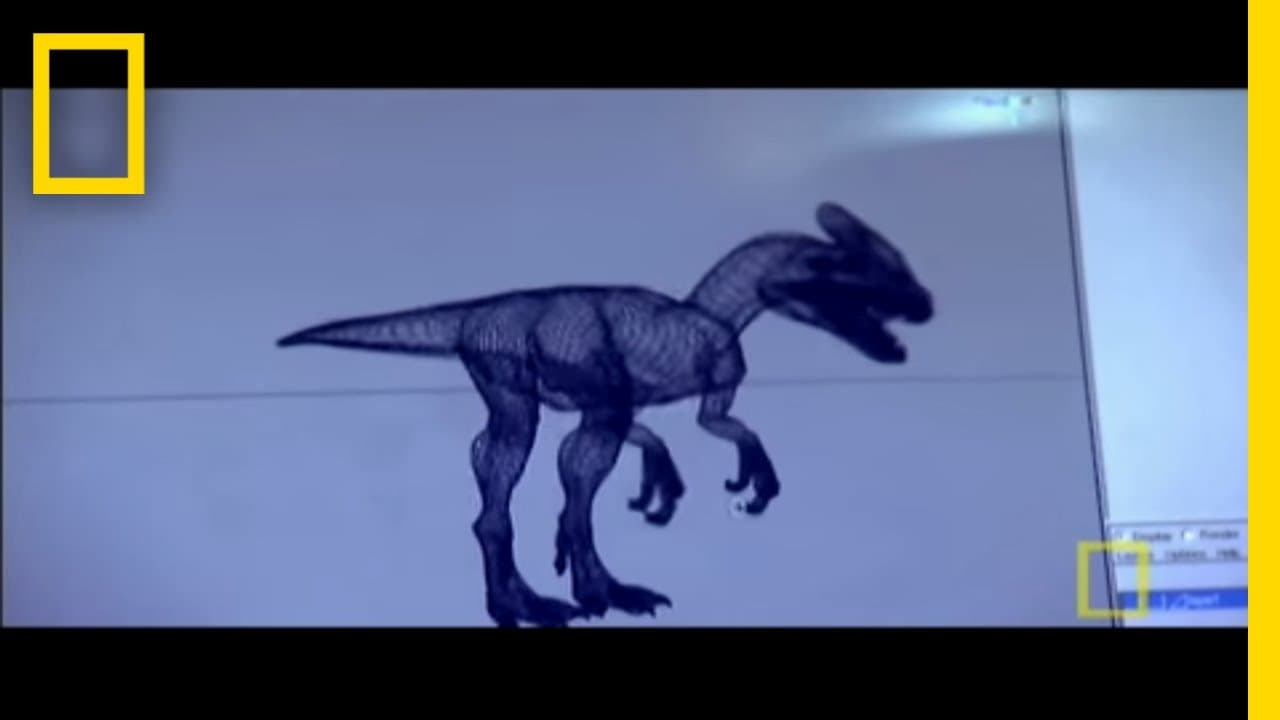
Paleontologists unearthed the remains of a large and distinct carnivorous dinosaur named Guanlong in a China desert, shedding light on the evolution of tyrannosaurs.
Transcript
paleontologists are making fascinating discoveries in a remote China desert skeletons stacked atop one another piled four and five deep columns of death finding bone beds that just have the remains of small meat-eating dinosaurs is extremely unusual and extremely rare and extremely exciting Raptors just stir the imagination the Raptor found on top ... Read More
Key Insights
- 🍖 Finding bone beds with remains of small meat-eating dinosaurs in China's desert is exceptionally rare and exciting for paleontologists.
- 🙂 The Guanlong, with its distinct features like an "S"-shaped neck, three-fingered claws, carnivorous teeth, and a head crest, is an important discovery shedding light on dinosaur evolutionary history.
- 🦖 Guanlong belongs to a group of dinosaurs closely related to the Tyrannosaurus rex, but it was smaller, swifter, and more agile.
- 👻 By reconstructing the Guanlong's skeletal form, scientists can understand its joint connections, range of motion, and muscularity, allowing them to bring the creature to life.
- 🦾 T. rex's tiny arms have been a subject of fascination, and the discovery of Guanlong helps to understand the progressive evolution of these limbs.
- 🦾 Guanlong's arms were relatively longer compared to T. rex, indicating a shift in the importance of limb function during predatory actions.
- ❓ The Guanlong's discovery provides valuable insights into the transformation and adaptive strategies of tyrannosaurs throughout history.
Install to Summarize YouTube Videos and Get Transcripts
Explore YouTube Video Summarizer or Get YouTube Transcript Extractor
Questions & Answers
Q: What makes the discovery of small meat-eating dinosaur remains in China's desert unusual and exciting?
The discovery of bone beds containing only small meat-eating dinosaur remains is extremely rare, making it a fascinating find for paleontologists. It provides unique insights into the nature of these creatures and their ecological context.
Q: What distinct features did the Guanlong possess?
The Guanlong had an "S"-shaped neck, three-fingered claws, carnivorous teeth, and a crest on its head. These characteristics set it apart from other dinosaurs and helped paleontologists identify it as a distinct species.
Q: How does the Guanlong compare to the Tyrannosaurus rex?
While the T. rex was an enormous animal weighing 12,000 to 15,000 pounds, the Guanlong was much smaller, weighing in the hundreds of pounds. This suggests that the Guanlong was a swifter and more agile predator, potentially hunting larger prey and possessing the ability to break bones with its teeth.
Q: What insights did the discovery of Guanlong provide about the evolution of Tyrannosaurs?
The discovery of Guanlong helps scientists understand the evolutionary changes in Tyrannosaurs. It indicates that over time, the importance of the four limbs decreased while the head and possibly the feet became more essential in catching prey.
Summary & Key Takeaways
-
Paleontologists in a remote China desert found bone beds with the remains of small meat-eating dinosaurs, a rare and exciting discovery.
-
The Guanlong, a large carnivorous Raptor with distinct features, was found stacked atop other skeletons, showcasing its unique characteristics.
-
The findings suggest that Guanlong belonged to a group of dinosaurs closely related to the Tyrannosaurus rex, but smaller and more agile.
Read in Other Languages (beta)
Share This Summary 📚
Summarize YouTube Videos and Get Video Transcripts with 1-Click
Try YouTube Summary with ChatGPT & Claude or YouTube Transcript Generator
Explore More Summaries from National Geographic 📚


Summarize YouTube Videos and Get Video Transcripts with 1-Click
Try YouTube Summary with ChatGPT & Claude or YouTube Transcript Generator