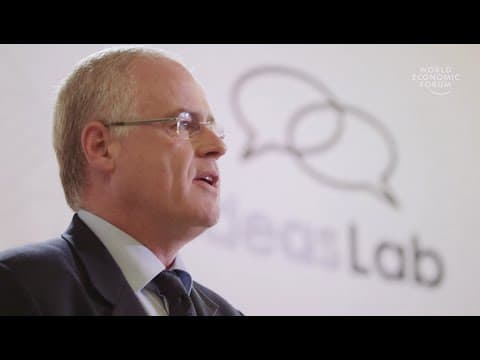
Davos Open Forum 2008 - Virtual Worlds - Fiction or Reality?

TL;DR
Social software and virtual worlds are experiencing rapid growth, with potential benefits in communication, education, and business. However, there are concerns about the impact on language, identity, and human connection.
Transcript
yes good afternoon welcome my name is louie trauma and the spot despite the fact that i'm french i will speak in english and i cannot do any German but I'm harder to host this panel this quaint distinguished panel with a fantastic set of speakers here and we will talk about a very exciting topic as well which is both present and future is social so... Read More
Key Insights
- 👻 Social software and virtual worlds offer new avenues for communication, education, and business, allowing people to connect across cultures and languages.
- 🌍 Virtual worlds, in particular, can provide unique experiences and opportunities that may not be possible in real life, such as practicing social skills for individuals with autism.
- 🌸 There are concerns about the impact of these technologies on language and identity, as well as the potential for abuse, exploitation, and the loss of personal responsibility.
- 😒 Critically analyzing and understanding the implications of these technologies is crucial to ensure their responsible and ethical use.
Install to Summarize YouTube Videos and Get Transcripts
Explore YouTube Video Summarizer or Get YouTube Transcript Extractor
Questions & Answers
Q: What is the difference between virtual worlds and social software?
Virtual worlds are immersive digital spaces where users can create avatars and interact in a simulated reality, while social software platforms like LinkedIn and Facebook focus on establishing online identities, connecting with others, and sharing content.
Q: Can virtual worlds and social software replace real-life interactions?
No, these technologies should be seen as extensions of real-life interactions, providing new possibilities for communication and connection. However, there is a concern that relying too heavily on virtual interactions may lead to a loss of face-to-face communication skills.
Q: How can social software and virtual worlds be used for business purposes?
Platforms like LinkedIn can be instrumental in networking, finding job opportunities, and sharing professional content. Virtual worlds can also be utilized for business meetings, conferences, and collaborative projects.
Q: What are the potential risks associated with the growth of social software and virtual worlds?
Language devaluation, loss of personal responsibility, and a potential erosion of face-to-face interactions are some of the concerns raised. There are also ethical considerations related to privacy, identity, and regulation in these digital spaces.
Summary & Key Takeaways
-
Virtual worlds, such as Second Life, are digital spaces that allow users to create avatars and interact with others in a simulated reality.
-
Social software refers to platforms like LinkedIn and Facebook, where users can establish their identity, connect with others, and share content.
-
There is a debate about the potential benefits and drawbacks of these technologies, with some believing that they can enhance communication and provide new opportunities, while others express concerns about language devaluation and the erosion of face-to-face interactions.
Read in Other Languages (beta)
Share This Summary 📚
Summarize YouTube Videos and Get Video Transcripts with 1-Click
Try YouTube Summary with ChatGPT & Claude or YouTube Transcript Generator
Explore More Summaries from World Economic Forum 📚
Summarize YouTube Videos and Get Video Transcripts with 1-Click
Try YouTube Summary with ChatGPT & Claude or YouTube Transcript Generator