What Is the Truth About Poverty in America?
TL;DR
The conventional narrative about poverty in America is flawed; the real solution lies in recognizing the potential and resilience of those living in poverty. Instead of imposing top-down solutions, we should empower marginalized communities by leveraging their own insights and initiatives, as they possess the creativity and resourcefulness to drive meaningful change.
Transcript
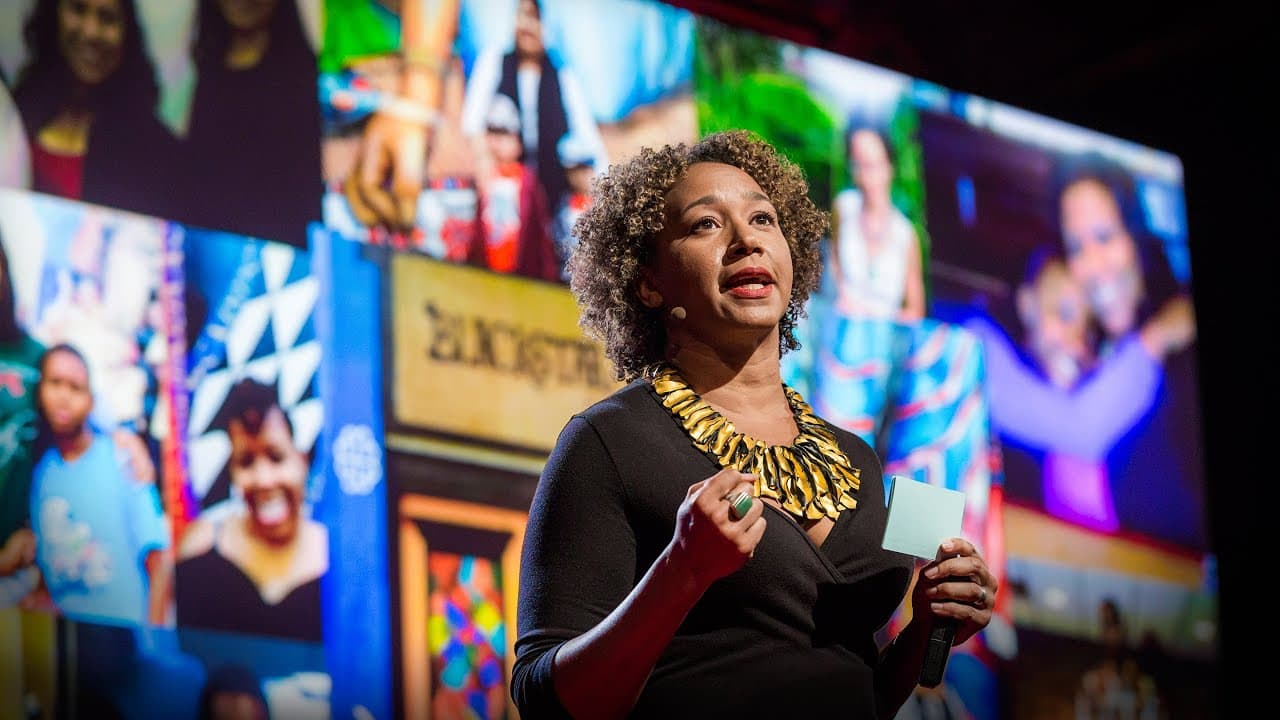
For the last 50 years, a lot of smart, well-resourced people -- some of you, no doubt -- have been trying to figure out how to reduce poverty in the United States. People have created and invested millions of dollars into non-profit organizations with the mission of helping people who are poor. They've created think tanks that study issues like edu... Read More
Key Insights
- 🤝 Despite decades of efforts, poverty rates in the United States have not significantly decreased since the War on Poverty was launched.
- 🏡 Jobana, Sintia, and Bertha started a cleaning business to contribute financially to their families, highlighting the practical resource of people living in poverty.
- 👧 Theresa created a support group for parents facing challenges similar to hers, demonstrating the power of peer support in addressing hardships.
- 🌱 Baakir's BlackStar Books and Caffe serves as a community hub, offering educational support, performance space, and a place for neighbors to connect and catch up.
- 🌎 Marginalized communities are filled with talented, hardworking individuals with innovative ideas, just like successful CEOs.
- ⚙️ The belief that hard work alone leads to success perpetuates an inaccurate narrative, disregarding the role of luck and privilege in achieving prosperity.
- ❓ Society's approach to poverty is flawed, and instead of imposing solutions, we should support and fuel the initiative of people living in poverty.
- 💪 Marginalized communities possess substantial collective power, and it is essential to recognize and elevate their voices to create new systems that work for everyone.
Install to Summarize YouTube Videos and Get Transcripts
Explore YouTube Video Summarizer or Get YouTube Transcript Extractor
Questions & Answers
Q: What have smart, well-resourced people been doing for the last 50 years to reduce poverty in the United States?
Smart, well-resourced people have created and invested millions of dollars into non-profit organizations, established think tanks to study issues like education and job creation, and advocated for policies to support marginalized communities.
Q: How successful have these efforts been in reducing poverty rates in the last 50 years?
Despite these efforts, poverty rates in the United States have not changed significantly since the launch of the War on Poverty.
Q: Who are some examples of people who have taken initiatives to improve their financial situations and their communities?
Examples include Jobana, Sintia, and Bertha, who started a cleaning business to contribute financially while taking care of their children; Theresa, who created a support group for parents struggling with their children's academic challenges; and Baakir, who runs a community-focused café and performance venue.
Q: What is the speaker's argument regarding the approach to reducing poverty?
The speaker argues that instead of imposing solutions on marginalized communities, we should recognize that the real experts are the people living in poverty themselves. Rather than directing or empowering them, our role should be to fuel their initiative and provide support.
Q: How does the speaker challenge the narrative that hard work leads to success?
The speaker acknowledges that hard work is important but challenges the narrative that it always leads to success. She emphasizes the role of luck and privilege in her own success and argues against the belief that those who don't succeed must have something wrong with them.
Q: What is the speaker's invitation and call to action?
The speaker calls for a rethinking of the current strategy to reduce poverty and urges people to listen to and seek out the true stories of marginalized individuals and communities. She invites marginalized communities to remember their own capabilities and harness their collective power to invent new ways of being that work for them.
Summary & Key Takeaways
-
Poverty in the United States has not significantly improved in the past 50 years, despite efforts by non-profit organizations, think tanks, and advocates.
-
The most powerful and practical resource to reduce poverty is the people who are poor themselves, who have the resilience, intelligence, and ingenuity to create their own solutions.
-
Instead of imposing solutions, we should listen to and support marginalized communities by fueling their initiatives and leveraging their ideas.
Read in Other Languages (beta)
Share This Summary 📚
Summarize YouTube Videos and Get Video Transcripts with 1-Click
Try YouTube Summary with ChatGPT & Claude or YouTube Transcript Generator
Explore More Summaries from TED 📚





Summarize YouTube Videos and Get Video Transcripts with 1-Click
Try YouTube Summary with ChatGPT & Claude or YouTube Transcript Generator