Madagascar's Mysterious Fossa | National Geographic
TL;DR
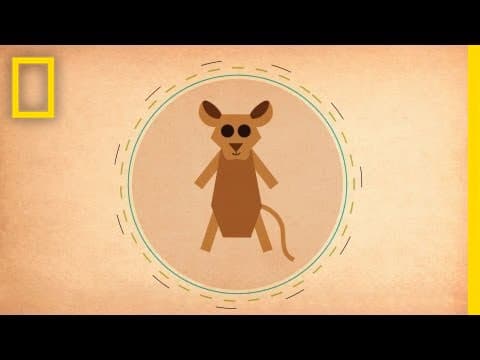
Madagascar is an isolated island with a diverse ecosystem, home to the fusa, the largest carnivore on the island. However, invasive species, particularly domestic dogs, are posing a threat to the fusa and other wildlife.
Transcript
Madagascar politically is a part of Africa but it is an island unto itself it's been called the eighth continent because it is so different it's been this isolated world unto itself for so long and that's why everything here is so unique not a lot of people know about the fusa the fusa is the largest carnivore on madagascar a booth is a pretty uniq... Read More
Key Insights
- 🌍 Madagascar is politically a part of Africa but is considered an isolated world, often called the "eighth continent."
- 😺 The fusa, the largest carnivore in Madagascar, is a unique animal that shares traits with mongooses, cats, and hyenas.
- 💄 The fusa population is estimated to be fewer than 3,000 individuals in the wild, making them relatively rare.
- 🤵 Invasive species, particularly domestic dogs, have become a significant threat to wildlife in Madagascar, including the fusa.
- 😋 The competition for food and decline of biodiversity caused by invasive species negatively impact various animal populations, such as snakes and brown birds.
- 🤵 Conservation efforts involve removing dogs from the forest, relocation, and spay and neuter clinics to prevent their resurgence.
- 👯 The survival of the fusa and other wildlife depends on protecting the unique biodiversity and coexistence of animals, plants, and people in Madagascar.
Install to Summarize YouTube Videos and Get Transcripts
Explore YouTube Video Summarizer or Get YouTube Transcript Extractor
Questions & Answers
Q: What is the fusa and what makes it unique?
The fusa is the largest carnivore in Madagascar and is a unique animal that shares characteristics with mongooses, cats, and hyenas. Its appearance is a blend of these animals, making it a fascinating species.
Q: How many fusa are estimated to be left in the wild?
The fusa population in the wild is estimated to be fewer than 3,000 individuals. This makes them relatively rare and highlights the need for conservation efforts to protect their population.
Q: How do invasive species, specifically domestic dogs, affect the fusa population?
Invasive species like domestic dogs have become a problem in Madagascar. As their population increases, they compete with the fusa for food and decrease the biodiversity of the ecosystem. They have caused a decline in fusa numbers and negatively impacted other wildlife as well.
Q: What measures are being taken to protect the fusa and other wildlife from invasive species?
Conservationists are trying various solutions to combat the impact of invasive species. These include removing dogs from the forest, relocating them, and implementing spay and neuter clinics to prevent their resurgence. These efforts aim to protect the biodiversity and coexistence of animals, plants, and people in Madagascar.
Summary & Key Takeaways
-
Madagascar is a unique island that has been isolated for a long time, resulting in a distinct ecosystem.
-
The fusa, the largest carnivore in Madagascar, is a unique animal that shares traits with mongooses, cats, and hyenas.
-
The fusa population is declining due to human impacts and competition with invasive species, particularly domestic dogs.
Read in Other Languages (beta)
Share This Summary 📚
Summarize YouTube Videos and Get Video Transcripts with 1-Click
Try YouTube Summary with ChatGPT & Claude or YouTube Transcript Generator
Explore More Summaries from National Geographic 📚


Summarize YouTube Videos and Get Video Transcripts with 1-Click
Try YouTube Summary with ChatGPT & Claude or YouTube Transcript Generator