Street Art for Hope and Peace | eL Seed | TED Talks
TL;DR
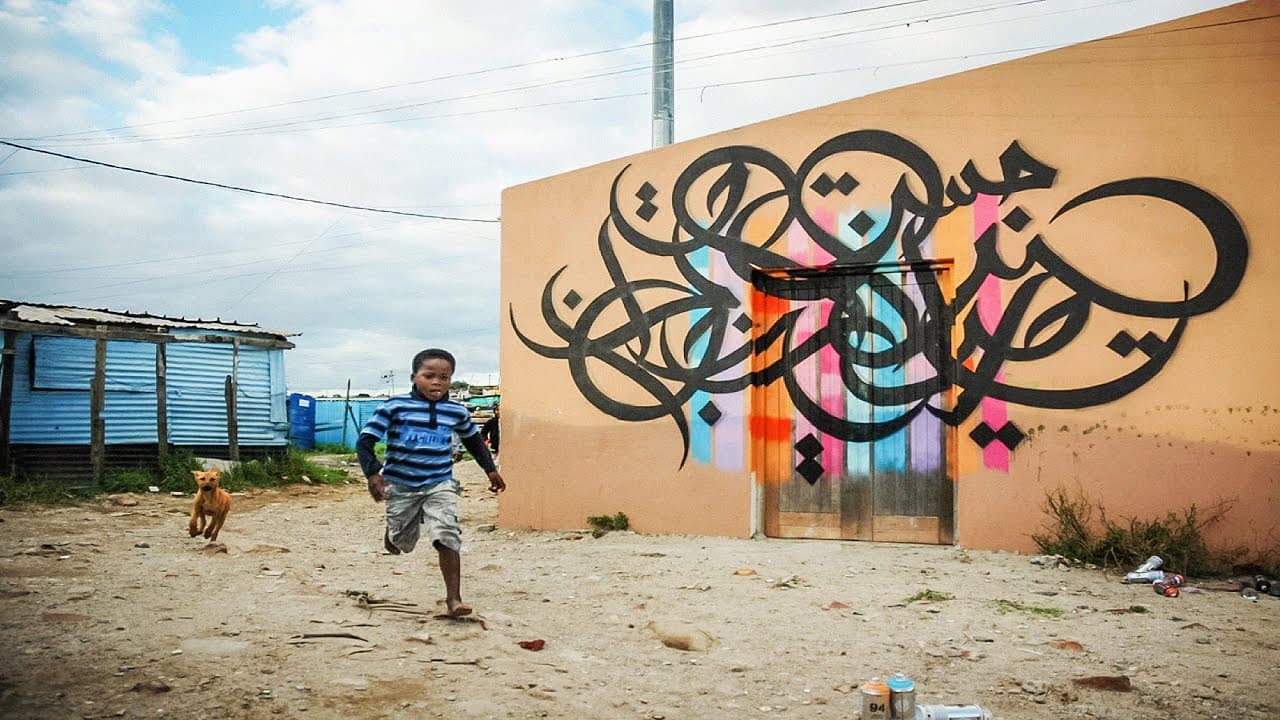
Graffiti artist recounts his experience painting a minaret in Tunisia and the power of Arabic calligraphy in his artwork.
Transcript
In 2012, when I painted the minaret of Jara Mosque in my hometown of Gabés, in the south of Tunisia, I never thought that graffiti would bring so much attention to a city. At the beginning, I was just looking for a wall in my hometown, and it happened that the minaret was built in '94. And for 18 years, those 57 meters of concrete stayed grey. When... Read More
Key Insights
- 🏢 Graffiti brought attention to the city of Gabés, Tunisia when an artist painted the minaret of Jara Mosque after 18 years of it being gray.
- 🕌 The imam of the mosque was grateful for the artwork and hoped it would become a monument that would attract people to the forgotten city.
- 🌎 The universal message of peace, tolerance, and acceptance from the Quran resonated with the local community and gained international press attention.
- 🖌 The artist's style combines calligraphy and graffiti, with messages written in Arabic script that are relevant to the place.
- 🤝 Arabic script speaks to anyone and has a beauty that doesn't require translation, connecting people on a deeper level.
- 🌍 The artist's work has been well-received around the world, with communities in Rio de Janeiro and Cape Town feeling a connection to the messages in Arabic.
- 👤 Some individuals may initially resist Arabic script, but the artist aims to challenge stereotypes and invite people to open their hearts to his language and culture through his art.
- 🎨 The artist no longer translates the messages he writes in Arabic, choosing to keep the poetry of the calligraphy intact and inviting viewers to appreciate it as they would music from other countries.
Install to Summarize YouTube Videos and Get Transcripts
Explore YouTube Video Summarizer or Get YouTube Transcript Extractor
Questions & Answers
Q: How did the imam of the Jara Mosque react to the proposal of painting the minaret?
The imam of the Jara Mosque expressed gratitude and was eager for someone to take action. He didn't request any specific details or sketches, showing his trust and willingness to let the artist express himself freely.
Q: What verse from the Quran did the artist choose to write on the minaret?
The artist selected a verse from the Quran that promotes peace, tolerance, and acceptance among people. The verse chosen states, "Oh humankind, we have created you from a male and a female, and made you people and tribe, so you may know each other."
Q: How did the local community react to the painted minaret?
The local community responded positively and felt a deep sense of pride to witness their minaret gaining attention from international press. The artwork brought people together and created a newfound appreciation for the overlooked city of Gabés in Tunisia.
Q: Why does the artist focus on writing messages in Arabic?
The artist emphasizes writing in Arabic because he believes that the beauty of Arabic script speaks to the soul before the meaning is understood. He has experienced various reactions around the world and witnessed the power of calligraphy to connect people to the art regardless of their language or background.
Q: How did the artist handle criticism when painting walls in different countries?
When faced with criticism, the artist responded with wit and cleverness. In one instance, when someone got upset about the Arabic script being painted on their wall, the artist later painted a nearby wall that the person had to see every day. Instead of a spiteful message, the artist chose to write, "Open your heart," inviting a change in perspective.
Q: Why does the artist no longer provide translations for the written messages?
The artist decided to stop including translations on the walls to preserve the poetic flow of the calligraphy. He wants people to appreciate the art form without the need for immediate translation, likening it to enjoying music from other cultures. This approach serves as an invitation to explore the artist's language, culture, and art.
Summary & Key Takeaways
-
The speaker painted the minaret of a mosque in his hometown with calligraphy and graffiti, using a verse from the Quran as a message of peace and tolerance.
-
The painting gained international attention and made the local community proud, making the imam hope that the minaret would become a monument for the city and attract people.
-
The speaker believes that Arabic script speaks to anyone and aims to break stereotypes through his artwork, inviting others to appreciate his language, culture, and art.
Read in Other Languages (beta)
Share This Summary 📚
Summarize YouTube Videos and Get Video Transcripts with 1-Click
Try YouTube Summary with ChatGPT & Claude or YouTube Transcript Generator
Explore More Summaries from TED 📚


Summarize YouTube Videos and Get Video Transcripts with 1-Click
Try YouTube Summary with ChatGPT & Claude or YouTube Transcript Generator