How to Bridge Academia and Communities with Voluntourism

TL;DR
Effective collaboration between academia and communities can be achieved through voluntourism and ecotourism. By engaging students and local communities in shared activities like tree planting and building shelters, both groups benefit. Universities gain authentic research data, while communities receive socioeconomic advantages such as solar panels and clean water access.
Transcript
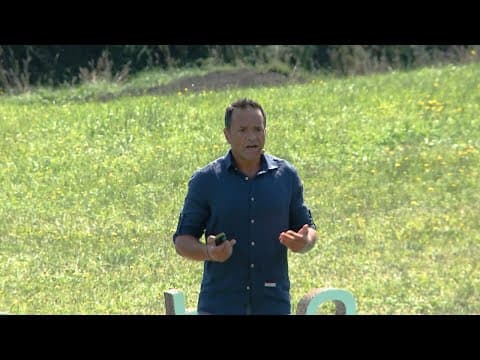
Good afternoon. I'm here also to talk about uh my journey toward changing uh some other blocks that can may be between the bigger people and the smallest people. And when I talk about that, I'm talking about the academics block and the community block which are of course go parallel and sometimes it is not easier to meet as the academic always prio... Read More
Key Insights
- Voluntourism combines travel with volunteer activities, benefiting both travelers and local communities.
- Academia often focuses on theoretical research, while communities need practical, immediate solutions.
- Bridging the gap requires innovative approaches that combine research with community engagement.
- Successful initiatives need partnerships with local tourism enterprises and universities.
- Community-based tourism enterprises play a crucial role in supporting voluntourism activities.
- Effective voluntourism requires organizing both students and local community members into cooperative groups.
- Negotiation skills are essential for securing partnerships and resources for community projects.
- Integrating traditional practices, like Umuganda, enhances collaboration and cultural exchange.
Install to Summarize YouTube Videos and Get Transcripts
Explore YouTube Video Summarizer or Get YouTube Transcript Extractor
Questions & Answers
Q: How does voluntourism benefit local communities?
Voluntourism benefits local communities by addressing immediate needs such as shelter and clean water. Volunteers engage in activities like tree planting and building infrastructure, providing direct support. Additionally, communities gain socioeconomic advantages, including solar panels and reduced reliance on firewood. This collaboration fosters cultural exchange and empowers communities to participate in decision-making for their future.
Q: What challenges are faced when integrating academia with communities?
Integrating academia with communities faces challenges such as aligning academic research goals with community needs, securing funding, and coordinating logistics. Academics often prioritize theoretical research, while communities seek immediate practical solutions. Overcoming these challenges requires strategic partnerships, effective negotiation skills, and innovative approaches that combine research with hands-on community engagement.
Q: What role do traditional practices play in voluntourism?
Traditional practices, such as Umuganda, play a significant role in voluntourism by fostering community engagement and cultural exchange. These practices encourage collective action and cooperation, strengthening social bonds within the community. Incorporating traditional methods ensures that volunteer activities are culturally relevant and respectful, enhancing the overall impact and acceptance of voluntourism initiatives.
Q: How can universities benefit from voluntourism initiatives?
Universities benefit from voluntourism initiatives by gaining access to authentic, lived-experience data for research purposes. Engaging with communities allows academics to conduct meaningful research that reflects real-world challenges and solutions. Collaborative projects also enhance the university's reputation, provide students with valuable experiential learning opportunities, and foster international partnerships with other academic institutions.
Q: What strategies are effective in organizing voluntourism activities?
Effective strategies for organizing voluntourism activities include forming partnerships with local tourism enterprises and universities, organizing participants into cooperative groups, and securing necessary resources through negotiation. Additionally, integrating traditional practices and ensuring cultural relevance are crucial for successful engagement. Strategic planning and clear communication are essential to align the goals of all stakeholders involved.
Q: Why is negotiation important in voluntourism projects?
Negotiation is crucial in voluntourism projects to secure partnerships, resources, and funding necessary for successful implementation. Effective negotiation skills help in building relationships with local tourism enterprises, universities, and other stakeholders. These partnerships enable resource sharing, logistical support, and collaborative planning, ensuring that projects are sustainable and impactful for both volunteers and communities.
Q: How do community-based tourism enterprises support voluntourism?
Community-based tourism enterprises support voluntourism by providing logistical assistance, accommodation, and local knowledge to volunteers. These enterprises facilitate the integration of volunteers into the community, ensuring that activities are impactful and culturally appropriate. They also help in organizing community members and coordinating volunteer efforts, maximizing the benefits for both the community and the volunteers.
Q: What is the impact of voluntourism on volunteers?
Voluntourism offers volunteers a life-changing experience by combining travel with meaningful community engagement. Volunteers gain a deeper understanding of local cultures, develop empathy, and enhance their problem-solving skills. The experience often leads to personal growth and a lasting commitment to social responsibility. Volunteers also contribute to impactful projects, leaving a positive legacy in the communities they serve.
Summary & Key Takeaways
-
Voluntourism and ecotourism offer a practical approach to connect academia with communities. By organizing students and community members into cooperative groups, initiatives can address local needs like shelter and clean water. This collaboration fosters mutual benefits: authentic research for universities and socioeconomic improvements for communities.
-
Key to successful voluntourism is forming partnerships with local tourism enterprises and universities. These partnerships facilitate resource sharing and enhance the impact of volunteer activities. Traditional practices, such as Umuganda, also play a significant role in strengthening community ties and ensuring cultural relevance.
-
The journey toward bridging academia and communities involves overcoming challenges like funding and resource allocation. However, with strategic planning, negotiation skills, and a commitment to visionary goals, it is possible to create impactful and sustainable collaborations that benefit both academic institutions and local populations.
Read in Other Languages (beta)
Share This Summary 📚
Summarize YouTube Videos and Get Video Transcripts with 1-Click
Try YouTube Summary with ChatGPT & Claude or YouTube Transcript Generator
Explore More Summaries from TEDx Talks 📚



Summarize YouTube Videos and Get Video Transcripts with 1-Click
Try YouTube Summary with ChatGPT & Claude or YouTube Transcript Generator