How Did Communism Influence Brazil's Politics?
TL;DR
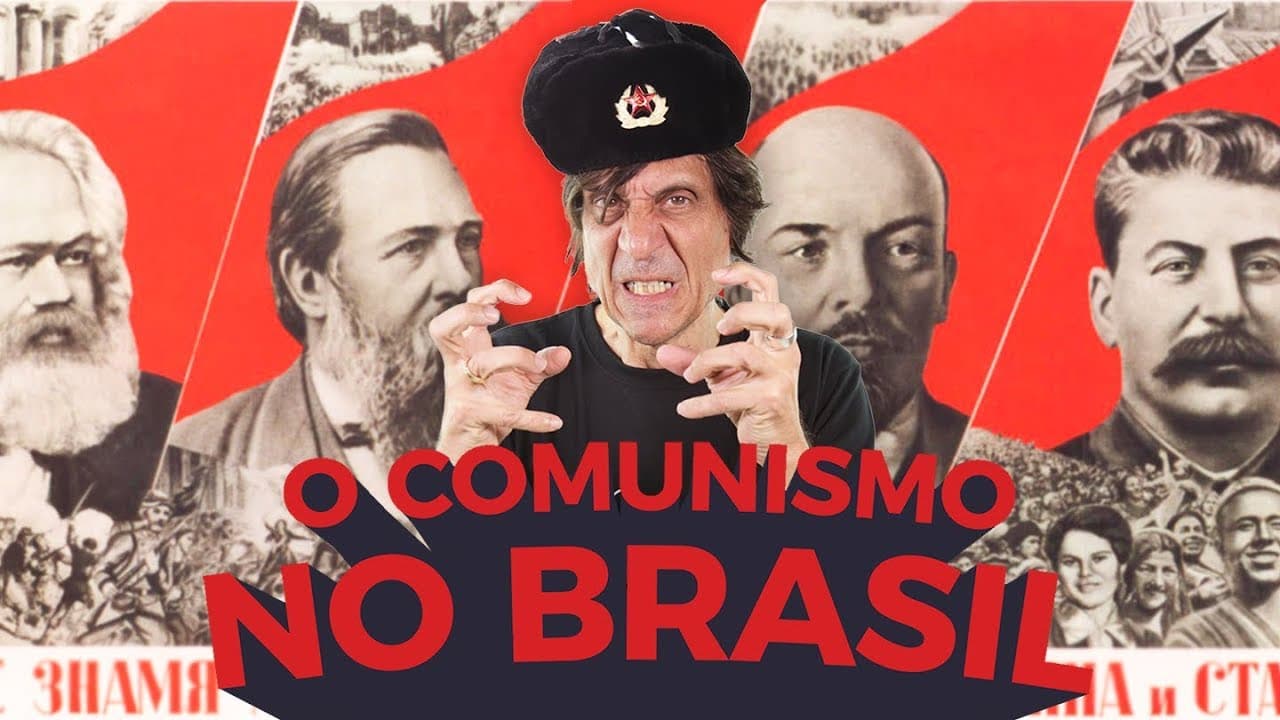
The influence of communism in Brazil began with the 1917 Russian Revolution, leading to the formation of the Brazilian Communist Party in 1922. Despite being illegal for much of its history, the party played a significant role in Brazilian politics, notably during the 1930s and 1940s. The party's fluctuating legality reflects ongoing tensions between communist ideals and democratic processes.
Transcript
Ah, how I miss Russia. What a country is Russia! The place where Napoleon sank. The place where the nazis fell. The place where Neymar rolled. I wish I could go back to Russia. The Russia that you saw in 360° here in the Buenas Ideias Channel. And by the way it had less views and likes than usual. Maybe cause of that confusing 360° thing? So now l... Read More
Key Insights
- The Russian Revolution of 1917 significantly influenced Brazil, sparking the first successful general strike in São Paulo.
- The Brazilian Communist Party (PCB) was founded in 1922, directly connected to the Kremlin and the Soviet Union.
- The PCB was illegal for most of its early history, reflecting Brazil's political tensions with communism.
- Luís Carlos Prestes, a key figure in the PCB, refused to join the 1930 revolution, calling it a bourgeois revolution.
- The PCB gained legal status briefly in 1945, electing a senator and several deputies before being outlawed again in 1946.
- The PCB's fluctuating legal status highlights the challenges of integrating communist ideologies into Brazil's democratic framework.
- The video questions why the Communist Party participates in elections despite its historical opposition to democracy.
- Eduardo Bueno humorously critiques both the right and left political extremes in Brazil, advocating for a balanced perspective.
Install to Summarize YouTube Videos and Get Transcripts
Explore YouTube Video Summarizer or Get YouTube Transcript Extractor
Questions & Answers
Q: How did the Russian Revolution influence Brazil?
The Russian Revolution of 1917 inspired a wave of socialist and communist movements globally, including in Brazil. It led to the first successful general strike in São Paulo in July 1917, reflecting the growing influence of communist ideas. This strike laid the groundwork for the formation of the Brazilian Communist Party in 1922, directly connected to the Soviet Union.
Q: What is the history of the Brazilian Communist Party?
The Brazilian Communist Party (PCB) was founded in 1922, influenced by the Russian Revolution and connected to the Soviet Union. It faced legal challenges, being outlawed shortly after its formation and again in 1946 during the Cold War. Despite this, the PCB played a significant role in Brazilian politics, advocating for socialist ideals and participating in elections when legal.
Q: Who was Luís Carlos Prestes?
Luís Carlos Prestes was a prominent leader in the Brazilian Communist Party. Known for his revolutionary ideals, he refused to join the 1930 revolution, labeling it a bourgeois movement. Prestes became a symbolic figure of resistance against authoritarian regimes and played a crucial role in the PCB's activities, including the failed 1935 communist uprising.
Q: Why was the PCB outlawed in 1946?
The Brazilian Communist Party was outlawed in 1946 due to the Cold War's geopolitical tensions. The Brazilian government, under President Dutra, used a constitutional loophole to ban parties that did not support democracy. This move reflected fears of communist influence and aligned with Western efforts to curb Soviet-backed movements globally.
Q: What role did the PCB play in the 1930s?
In the 1930s, the PCB was involved in various political activities, advocating for socialist reforms and opposing authoritarian regimes. The party refused to participate in the 1930 revolution, viewing it as a bourgeois effort. In 1935, the PCB attempted a coup, which was quickly suppressed, leading to increased repression and the establishment of the Estado Novo dictatorship.
Q: How did the PCB participate in Brazilian elections?
The PCB participated in Brazilian elections during periods of legality, such as in 1945 when it elected a senator and several deputies. Despite its historical opposition to electoral democracy, the party used elections as a platform to promote its socialist agenda. However, its participation was often met with legal challenges and bans due to its perceived threat to democratic institutions.
Q: What is Eduardo Bueno's perspective on the PCB?
Eduardo Bueno offers a humorous critique of both the PCB and its opponents. He questions the party's participation in elections despite its anti-democratic stance and criticizes right-wing calls for its illegality. Bueno advocates for a balanced view, rejecting extreme ideologies and promoting a nuanced understanding of Brazil's political history.
Q: Why does the PCB want to participate in elections?
Despite its historical opposition to electoral democracy, the PCB participates in elections to gain political influence and promote its socialist agenda. Elections provide a platform to challenge the status quo and advocate for systemic change. However, this participation is often controversial, given the party's roots in revolutionary ideals and its fluctuating legal status.
Summary & Key Takeaways
-
The Russian Revolution of 1917 had a profound impact on Brazil, leading to a general strike in São Paulo and the eventual formation of the Brazilian Communist Party (PCB) in 1922. The PCB was heavily influenced by the Kremlin and faced legal challenges throughout its history, reflecting Brazil's complex relationship with communism.
-
Luís Carlos Prestes, a prominent figure in the PCB, criticized the 1930 revolution as a bourgeois movement and refused to participate. Despite periods of illegality, the PCB briefly gained legal status in 1945, electing several politicians before being banned again in 1946 due to Cold War tensions.
-
The video explores the paradox of the Communist Party's participation in Brazilian elections, questioning its compatibility with democratic principles. Eduardo Bueno humorously navigates the political landscape, critiquing both extremes and advocating for a more nuanced understanding of Brazil's political history.
Read in Other Languages (beta)
Share This Summary 📚
Summarize YouTube Videos and Get Video Transcripts with 1-Click
Try YouTube Summary with ChatGPT & Claude or YouTube Transcript Generator
Explore More Summaries from Buenas Ideias 📚




Summarize YouTube Videos and Get Video Transcripts with 1-Click
Try YouTube Summary with ChatGPT & Claude or YouTube Transcript Generator