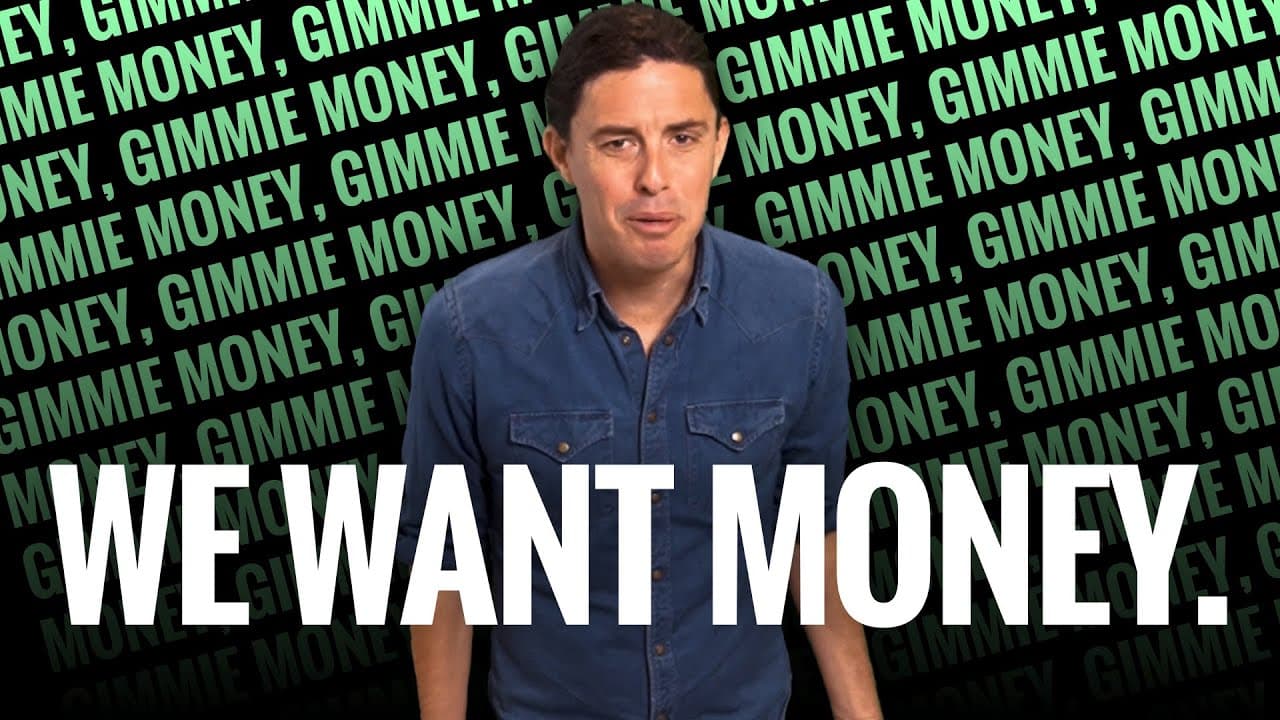
Not My Party Episode 209 | WE'RE DOOMED send us money
TL;DR
Populist politicians manipulate small-dollar donations to deceive supporters, lining their own pockets and exploiting the intentions of well-meaning donors.
Transcript
we're doomed the end is nigh unless you click here to donate five dollars to not my party before the midnight deadline this is not my party brought to you by the bulwark how sick are you of emails like will not win without your support donate now texts like this and youtube ads like this i am once again asking for your financial support populists o... Read More
Key Insights
- 🫥 Small-dollar donations have become a vehicle for politicians to exploit the good intentions of supporters and line their own pockets.
- 💍 Both Democrats and Republicans engage in deceptive practices, with the Trump campaign being a prominent example.
- 🥶 Politicians benefit from the vulnerability of older and less tech-savvy donors, who may not fully understand the commitment they are making.
- 😒 The extensive use of small-dollar fundraising has empowered extreme politicians on both ends of the political spectrum.
- 🤨 Funds raised via small-dollar donations are often misspent on campaigns with little chance of success.
- 💍 Deceptive practices in fundraising undermine donors' trust and make it harder for individuals to engage in the political process.
- ❤️🩹 Grassroots organizations and political consultants profit from these deceptive tactics, while donors struggle to make ends meet.
Install to Summarize YouTube Videos and Get Transcripts
Explore YouTube Video Summarizer or Get YouTube Transcript Extractor
Questions & Answers
Q: How do politicians use small-dollar donations to deceive supporters?
Politicians utilize tactics like pre-checking boxes and fine print disclaimers, trapping donors in recurring contributions without their knowledge or consent. This manipulative behavior targets older and less tech-savvy individuals, exploiting their vulnerability.
Q: What impact do these deceptive practices have on donors?
Many donors, including cancer patient Stacy Blatt, suffer financial consequences, such as bounced payments and overdraft fees, due to unintended recurring contributions. Large sums of money are funneled from supporters to politicians, benefiting the politicians' personal interests.
Q: How has the fetishization of low-dollar fundraising affected political campaigns?
Extreme politicians on both sides, especially on the right, have been empowered by the focus on small-dollar fundraising. Figures like Marjorie Taylor Greene and Josh Hawley raised record amounts, amplifying their extremist agendas through deceptive campaign practices.
Q: How does wasteful spending occur with small-dollar donations?
Viral candidates with no chance of winning, such as Amy McGrath and Jamie Harrison, raised enormous sums of money that could have been better utilized elsewhere. Cherry-picked polling and false promises enticed liberal donors who hoped to defeat prominent Republican politicians, resulting in wasted funds.
Summary & Key Takeaways
-
Both Democrats and Republicans exploit small-dollar donations to fund their campaigns and push their agendas.
-
Tactics used include pre-checked boxes and fine print disclaimers that commit donors to recurring monthly contributions.
-
These schemes disproportionately affect older and less tech-savvy individuals, draining their finances and funding politicians' personal gains.
Read in Other Languages (beta)
Share This Summary 📚
Summarize YouTube Videos and Get Video Transcripts with 1-Click
Try YouTube Summary with ChatGPT & Claude or YouTube Transcript Generator
Explore More Summaries from The Bulwark 📚
Summarize YouTube Videos and Get Video Transcripts with 1-Click
Try YouTube Summary with ChatGPT & Claude or YouTube Transcript Generator