Can 3-D Printed Drones Help Save Wildlife? | National Geographic
TL;DR
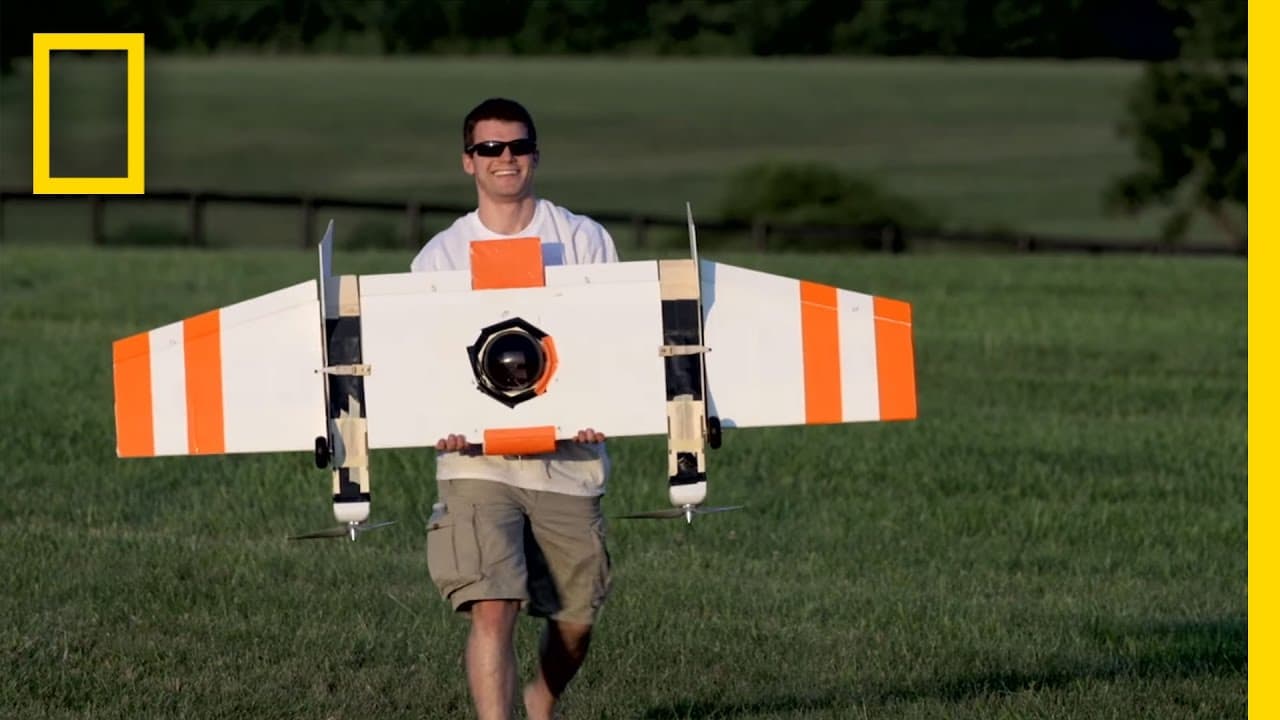
The Wildlife Conservation UAV Chandra has engaged global teams to develop drones for counter poaching efforts to combat the rise in rhino poaching.
Transcript
it's a war zone at this point the value of a rhino horn is worth more than ten times the value of the Rhino alive poachers are coming in they're well-armed most of them are coming in teams now and they come in with assault rifles and they don't have the law holding them back there's not a lot of Technology Solutions or barriers for the poachers so ... Read More
Key Insights
- 🦏 Rhino horn's high value contributes to the increase in rhino poaching activities.
- 😤 Poachers are well-equipped and often operate in teams, posing a significant threat to wildlife.
- 🖤 The lack of technology and barriers for poachers highlights the need for proactive solutions.
- 😤 The Wildlife Conservation UAV Chandra initiative has garnered participation from 137 teams across the globe.
- 🉐 Drones offer the advantage of swift coverage, enabling the detection and prevention of poaching incidents.
- ❓ Focus is on data processing capabilities and sensor utilization for efficient UAVs.
- 🔄 3D printing facilitates quick and easy production of drone platforms for counter poaching efforts.
Install to Summarize YouTube Videos and Get Transcripts
Explore YouTube Video Summarizer or Get YouTube Transcript Extractor
Questions & Answers
Q: How has the value of a rhino horn impacted poaching activities?
The value of a rhino horn being worth more than a live rhino encourages poachers to target these animals for illegal trade, driving the rise in poaching activities.
Q: What advantages can drones offer in counter poaching efforts?
Drones allow for rapid coverage of large areas, enabling the detection of poachers before they reach the animals. They provide crucial data on poacher locations, weapons carried, and ideal ranger routes to intercept them.
Q: How is technology being utilized in the Wildlife Conservation UAV Chandra initiative?
The initiative focuses on leveraging technology like 3D printing and smartphone sensors to develop cost-effective and efficient UAVs. These platforms incorporate onboard data processing capabilities and utilize built-in sensors such as cameras to gather vital information.
Q: What are the goals of the Wildlife Conservation UAV Chandra initiative?
The initiative aims to significantly reduce rhino poaching numbers while demonstrating the power of challenges in motivating people to develop and utilize technology for conservation purposes.
Summary & Key Takeaways
-
Rhino poaching is an increasing problem, with the value of rhino horn exceeding the value of a live rhino.
-
Poachers are well-armed and technology barriers are limited, creating a need for proactive solutions.
-
The Wildlife Conservation UAV Chandra initiative aims to develop unmanned aerial vehicles (UAVs) to detect and deter poachers before they harm the animals.
Read in Other Languages (beta)
Share This Summary 📚
Summarize YouTube Videos and Get Video Transcripts with 1-Click
Try YouTube Summary with ChatGPT & Claude or YouTube Transcript Generator
Explore More Summaries from National Geographic 📚

Summarize YouTube Videos and Get Video Transcripts with 1-Click
Try YouTube Summary with ChatGPT & Claude or YouTube Transcript Generator