What Are the Two Hook Points That Capture Interest?
TL;DR
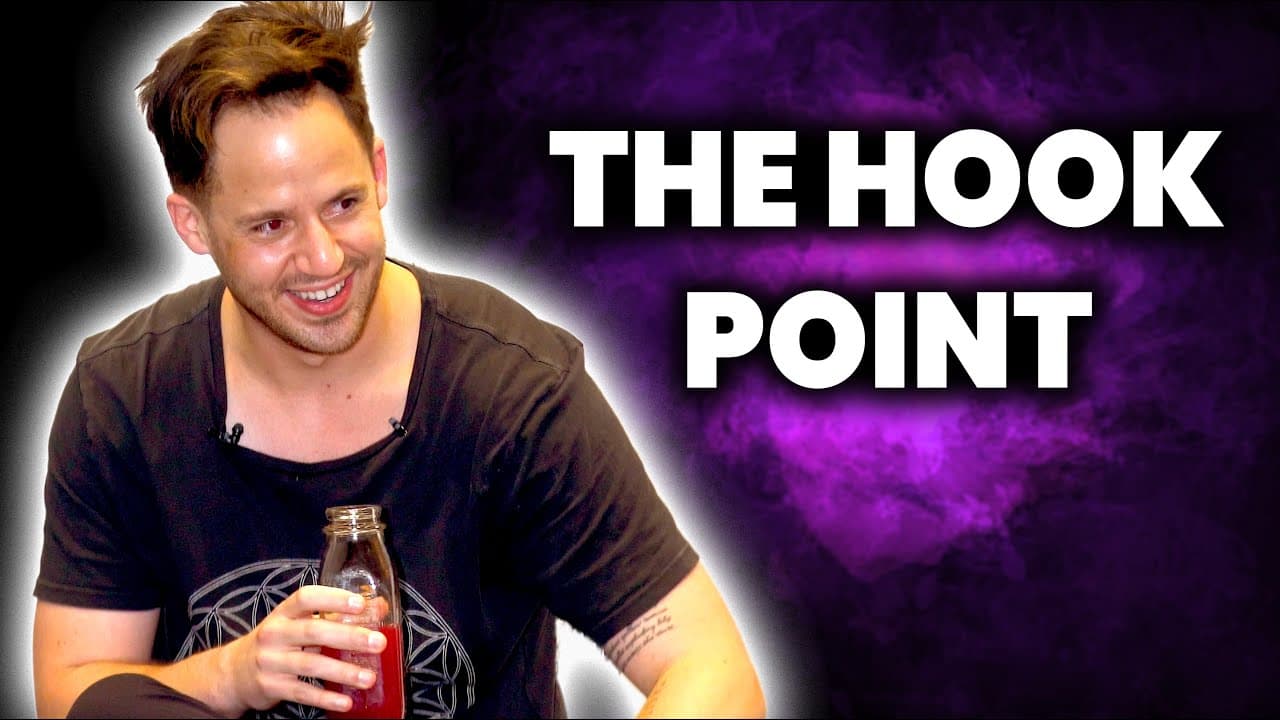
The two hook points in interactions are 'I like you' and 'I love you,' with the latter requiring the introduction of value. To pass the 'I love you' hook, you must engage someone's genuine interest by discussing topics that resonate with them. Key indicators of being hooked include eyes lighting up, a shift in tonality, and the other person's concern if you stop talking.
Transcript
- In any interaction, involving people there are always two hook points, right, where you hook someone's attention. The first hook point is, I like you, the second hook point is, I love you, and this doesn't just mean romantically. I like you is, eh, better than nothing. Right okay, I'll talk to this person, that's fun, it's great. It's a lot of po... Read More
Key Insights
- 😥 There are two hook points in interactions: "I like you" and "I love you". Passing the second hook point requires offering value.
- 😃 Behavioral cues like eyes lighting up, tonality changes, and genuine interest indicate that someone is hooked.
- 🧡 Hooking someone can be achieved through genuine passion, providing valuable information, and showing range in expressiveness.
- 😃 First impressions don't matter as much as giving someone a bigger sample of your personality.
- 🪝 Being at the cause, rather than the effect, of the conversation helps in hooking someone.
- 🧡 Range and variability in delivery, tonality, and volume can make the conversation more engaging.
- 🥺 Many people have already passed the hook point without realizing it, leading to unnecessary rejections.
Install to Summarize YouTube Videos and Get Transcripts
Explore YouTube Video Summarizer or Get YouTube Transcript Extractor
Questions & Answers
Q: What are the two hook points in interactions?
The two hook points in interactions are "I like you" and "I love you." The first hook point is when someone is engaged in polite conversation, while the second hook point occurs when value is involved.
Q: How can passing the second hook point be achieved?
Passing the second hook point requires shifting the conversation to a topic that is valuable to the listener. This can be done by offering information or insights that align with their interests or needs.
Q: What are some behavioral cues that someone is hooked?
Some behavioral cues that indicate someone is hooked include their eyes lighting up, a shift in tonality to show genuine interest, and caring if the speaker stops talking.
Q: How can someone keep the conversation engaging and maintain the hook?
To keep the conversation engaging, it is important to show range in expressiveness, tonality, and topics of discussion. Adding humor, passion, and different levels of intensity can help maintain the hook and draw the listener in further.
Summary & Key Takeaways
-
In any interaction, there are two hook points: "I like you" and "I love you." The first hook point is polite conversation, while the second hook point occurs when value is involved.
-
Passing the second hook point requires capturing someone's genuine interest by shifting topics to something valuable to them.
-
Behavioral cues that someone is hooked include their eyes lighting up, tonality changing to show interest, and caring if the speaker stops talking.
Read in Other Languages (beta)
Share This Summary 📚
Summarize YouTube Videos and Get Video Transcripts with 1-Click
Try YouTube Summary with ChatGPT & Claude or YouTube Transcript Generator
Explore More Summaries from JulienHimself 📚

Summarize YouTube Videos and Get Video Transcripts with 1-Click
Try YouTube Summary with ChatGPT & Claude or YouTube Transcript Generator