Xtreme Everest: Taking Medicine from Mountainside to Bedside - Professor Mike Grocott
TL;DR
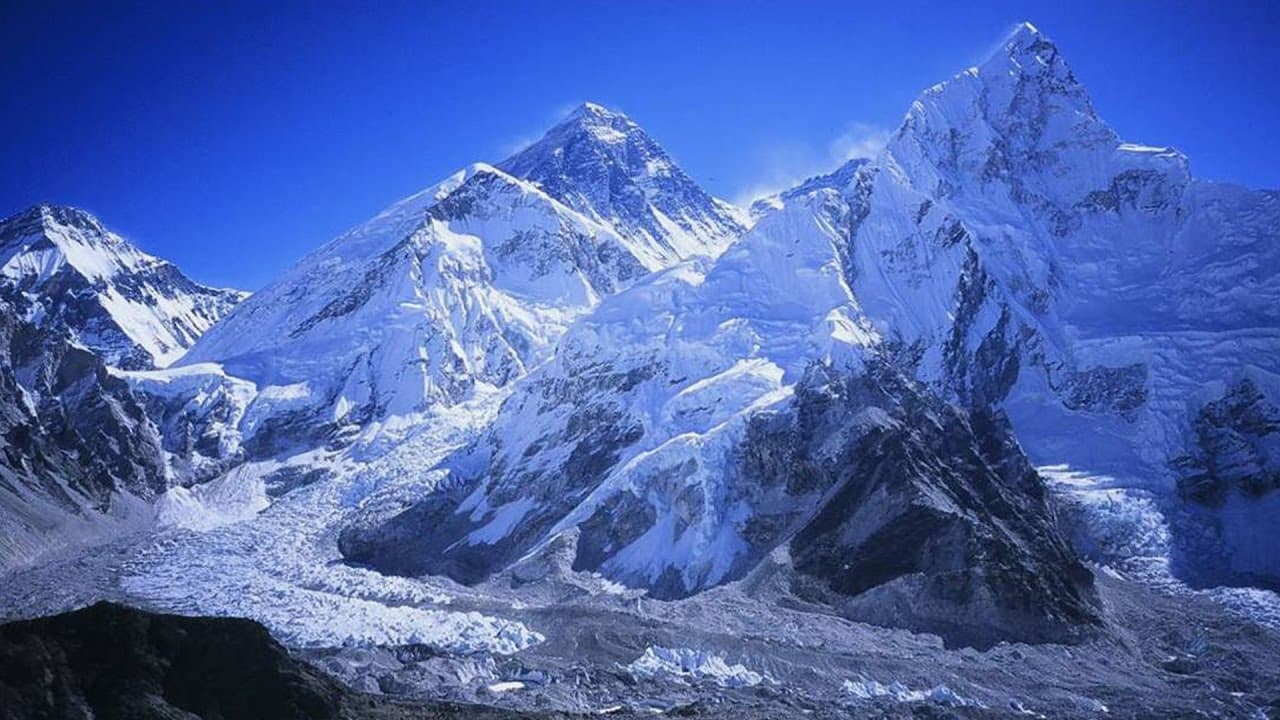
A team of doctors and scientists embarked on an expedition to Everest to study altitude-related physiology and acclimatization.
Transcript
so as you've already heard I'm going to talk to you about extreme Everest which originally was a plan for a single expedition but has become a program of research which is spread over we're heading for 20 years now I'm a I'm a doctor who is an anesthetist and my clinical work is is now exclusively in intensive care and that's that's quite a common ... Read More
Key Insights
- 😨 Altitude-related research on Everest can provide valuable insights into critical care and how the body adapts to extreme conditions.
- ✋ The human body undergoes significant physiological changes at high altitudes, including alterations in microcirculation and mitochondrial metabolism.
- ✋ Sherpas have unique physiological characteristics that enable them to perform well at high altitudes.
- 😤 The Extreme Everest expedition required meticulous planning and logistics, along with a dedicated team and generous volunteers.
- 😨 The data collected during the expedition has the potential to revolutionize critical care and improve patient outcomes.
- ✳️ Despite the challenges and risks, the expedition was a remarkable scientific and personal achievement for all involved.
- 💨 The research conducted on Everest has shown that humans have the capacity to adapt to extreme conditions, similar to the way a fetus does in utero.
Install to Summarize YouTube Videos and Get Transcripts
Explore YouTube Video Summarizer or Get YouTube Transcript Extractor
Questions & Answers
Q: What was the purpose of the Extreme Everest expedition?
The expedition aimed to study how the human body adapts to low oxygen levels at high altitudes and apply this knowledge in critical care settings.
Q: How did the team conduct experiments on Everest?
The team collected blood samples, measured oxygen and carbon dioxide levels, studied microcirculation, and conducted muscle biopsies to gather data on altitude-related physiology.
Q: What were the key findings from the expedition?
The team discovered that adaptation to high altitudes involves changes in microcirculation and mitochondrial metabolism. They also found that Sherpas had normal microcirculation and unique metabolic characteristics.
Q: How did the team measure oxygen levels on the summit of Everest?
Due to challenging conditions, the team was unable to directly measure oxygen levels on the summit. However, they measured oxygen levels at the South Col and found them to be significantly lower than at sea level.
Summary & Key Takeaways
-
The speaker is a doctor and anesthetist who led an expedition to Everest to study altitude-related research.
-
The project aimed to understand how the body adapts to low oxygen levels and to apply this knowledge to critical care patients.
-
The team conducted various experiments on Everest, collected extensive data, and made groundbreaking discoveries.
Read in Other Languages (beta)
Share This Summary 📚
Summarize YouTube Videos and Get Video Transcripts with 1-Click
Try YouTube Summary with ChatGPT & Claude or YouTube Transcript Generator
Explore More Summaries from Gresham College 📚

Summarize YouTube Videos and Get Video Transcripts with 1-Click
Try YouTube Summary with ChatGPT & Claude or YouTube Transcript Generator