Art and Activism: can art be a tool for social change?
TL;DR
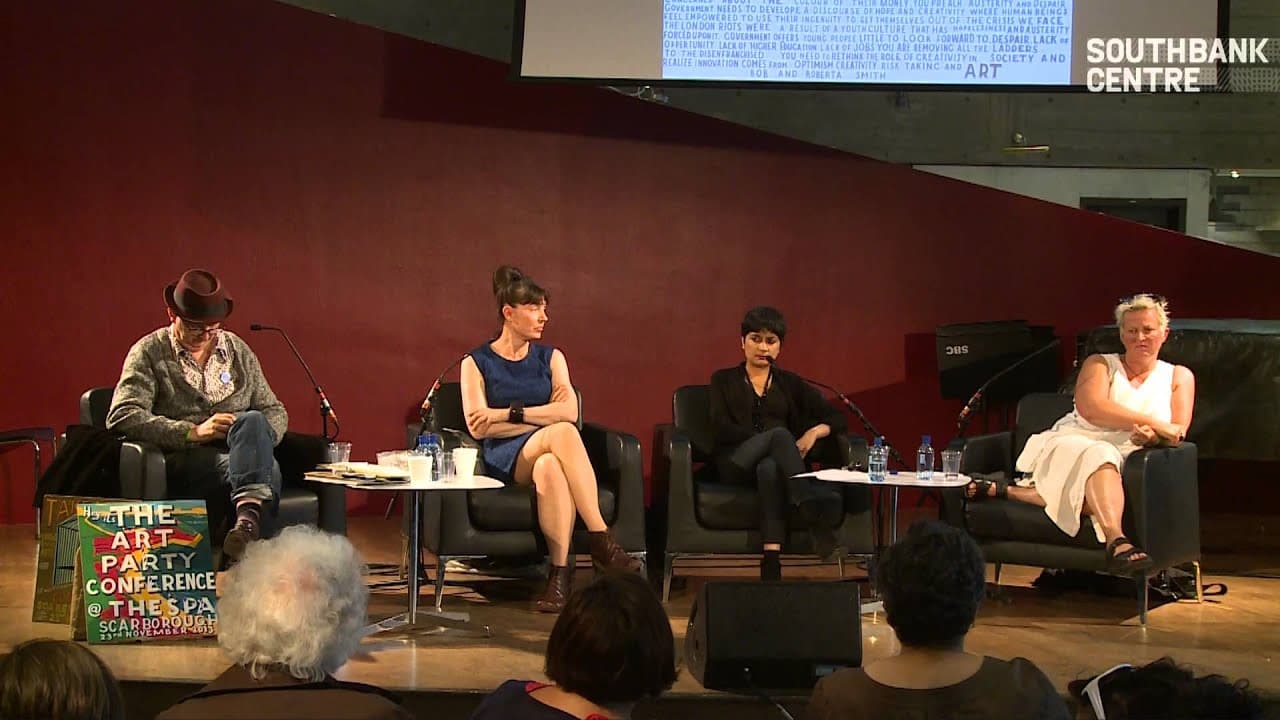
Artists discuss the intersection of art and activism, highlighting the power of creativity to inspire change and raise awareness of social and political issues.
Transcript
hello i gave you i gave you a start then didn't i he's gonna have a saturday afternoon nap now welcome everyone to um this part of the yoko ono meltdown festival this is this is activism weekend and this is the first time in the 20-year history of the festival that that discussions and debates has has been included and um i've been given a few a fe... Read More
Key Insights
- 🥰 Art can be a powerful vehicle for activism, allowing individuals to express themselves and address social and political issues.
- 🧑🎨 The role of the artist is varied and can involve inspiring others, taking direct political action, or a combination of both.
- 🌍 Funding and sponsorship in the art world can be controversial, and there is a need for transparency and open dialogue regarding potential conflicts of interest.
- 👾 Cultural spaces, such as galleries and museums, provide a safer space for discussing difficult and contentious issues compared to traditional political institutions.
Install to Summarize YouTube Videos and Get Transcripts
Explore YouTube Video Summarizer or Get YouTube Transcript Extractor
Questions & Answers
Q: How has government austerity and funding cuts affected disabled individuals?
Jenny Sealey explains that the cuts have resulted in increased discrimination and limited opportunities for disabled individuals, which pushes her to use her art as a platform for activism and raising awareness for disability rights.
Q: Is it the role of the artist to inspire others or take direct political action?
Heather Aykroyd believes that it is the role of the artist to keep the imagination alive and create a space for critical thinking and reflection. Bob and Roberta Smith argue that artists should encourage others to make their own art and empower themselves through creativity.
Q: What is the impact of art on political institutions, such as the Tate and its sponsorship by BP?
Bob and Roberta Smith state that art can challenge and raise questions about political institutions and their relationships with corporations like BP. However, they also acknowledge the complexities and trade-offs associated with funding in the art world.
Summary & Key Takeaways
-
Jenny Sealey, director of the Grey Eye Theatre, discusses the political nature of her work, which aims to challenge discrimination and prejudice against disabled individuals.
-
Heather Aykroyd, an artist, emphasizes the importance of the imagination and the ability of art to provoke thoughts and conversations about societal and environmental issues.
-
Bob and Roberta Smith, another artistic duo, explain their belief in art as a tool for empowering people and giving them a voice, rather than being dictated to by politicians or academics.
Read in Other Languages (beta)
Share This Summary 📚
Summarize YouTube Videos and Get Video Transcripts with 1-Click
Try YouTube Summary with ChatGPT & Claude or YouTube Transcript Generator
Explore More Summaries from Southbank Centre 📚


Summarize YouTube Videos and Get Video Transcripts with 1-Click
Try YouTube Summary with ChatGPT & Claude or YouTube Transcript Generator