How to Optimize SEO for Better Google Rankings
TL;DR
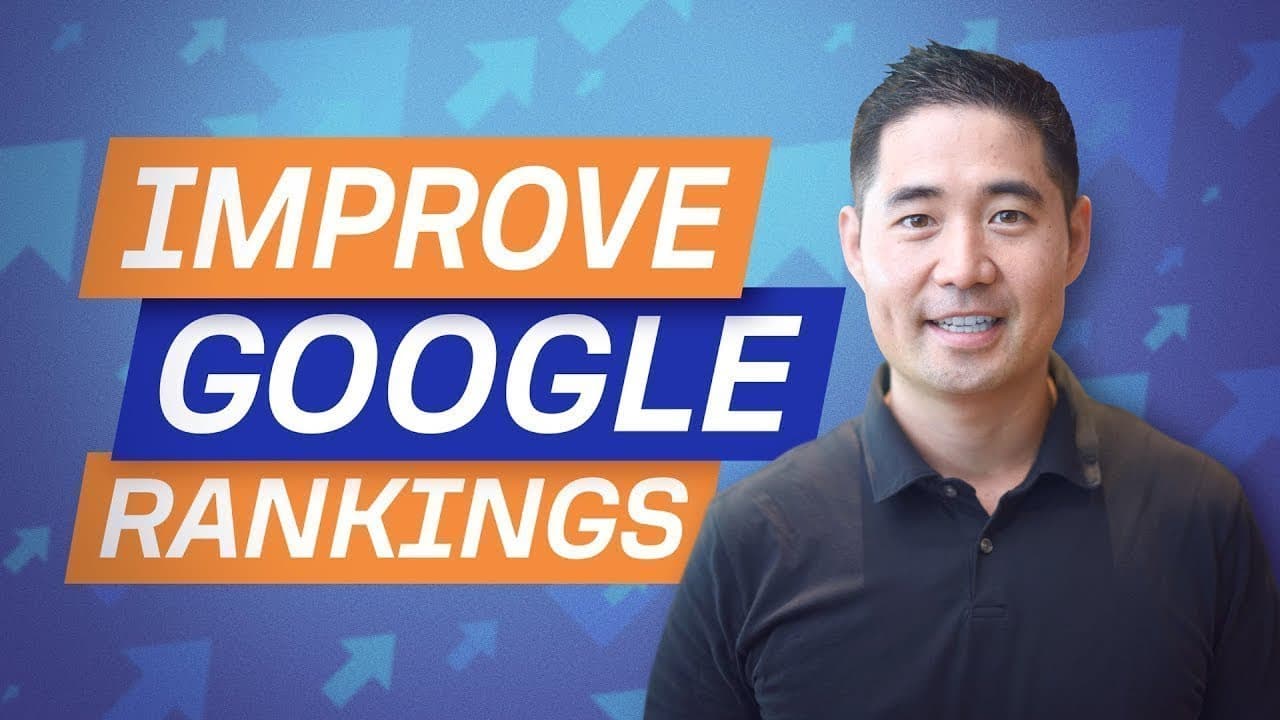
To rank higher on Google, focus on optimizing your website for search engines by understanding searcher intent and building quality backlinks. Start with thorough keyword research to understand what potential customers are searching for, then optimize your pages with relevant content and meta tags. Finally, build your site's authority through strategic link building and content creation.
Transcript
3.5 billion searches are performed on Google every single day. Seriously, no matter what you do, people are looking for your products and services on Google; cell phone repair shop: 1,700 monthly searches. iphone charger: 34,000 monthly searches. best smartphone: 41,000 monthly searches. And these search volumes are only for US based searches. But ... Read More
Key Insights
- SEO stands for search engine optimization, which is the process of optimizing your website to get free organic traffic from search engines.
- Google uses sophisticated algorithms to return the most relevant search results, though the exact workings are not fully known.
- Keyword research is essential to understand what potential customers are searching for and to optimize your content accordingly.
- On-page SEO involves optimizing title tags, meta descriptions, and content to align with relevant search queries.
- Avoid keyword stuffing, as it can harm your site's ranking; focus on natural language that serves the user's intent.
- Off-page SEO involves building quality backlinks from other websites, which act as votes of confidence for your site.
- Effective link building often requires outreach, where you contact other sites with a compelling reason to link to your content.
- Blogging about practical topics that solve customer problems can significantly enhance your SEO efforts by attracting more traffic and links.
Install to Summarize YouTube Videos and Get Transcripts
Explore YouTube Video Summarizer or Get YouTube Transcript Extractor
Questions & Answers
Q: How to get started with SEO for a new website?
Begin with keyword research to identify what potential customers are searching for. Use tools like Ahrefs Keywords Explorer to find relevant keywords and understand search volume. Optimize your website's content, title tags, and meta descriptions to align with these keywords. Focus on creating valuable, user-friendly content that meets searcher intent.
Q: What is on-page SEO and why is it important?
On-page SEO refers to the practice of optimizing individual web pages to rank higher in search engines. This includes optimizing title tags, meta descriptions, and content for relevant keywords. It's important because it helps search engines understand what your page is about and ensures your content is relevant to users, which can improve your search rankings.
Q: How does link building improve SEO?
Link building improves SEO by acquiring backlinks from other websites, which act as votes of confidence for your site. Quality backlinks from relevant, authoritative sites signal to search engines that your content is trustworthy and valuable, helping to improve your site's ranking in search results. Effective link building often involves outreach to gain these links.
Q: Why is keyword research crucial for SEO?
Keyword research is crucial because it helps you understand what potential customers are searching for. By identifying relevant keywords and search queries, you can optimize your content to match searcher intent, improving your chances of ranking higher in search results. It also guides your content strategy by revealing the language and topics that resonate with your audience.
Q: What are some common mistakes in SEO to avoid?
Common SEO mistakes include keyword stuffing, which can harm your rankings, and neglecting on-page SEO elements like title tags and meta descriptions. Focusing solely on search engines rather than user experience can also be detrimental. Additionally, acquiring low-quality or irrelevant backlinks can negatively impact your site's authority and ranking.
Q: How can blogging enhance SEO efforts?
Blogging enhances SEO by providing fresh, valuable content that can attract traffic and backlinks. By addressing topics that solve customer problems, you can increase your site's relevance and authority. Blogging also allows you to target long-tail keywords and engage with a wider audience, improving your site's visibility and search rankings over time.
Q: What role does searcher intent play in SEO?
Searcher intent refers to the reason behind a user's search query. Understanding this intent is crucial for SEO because it helps you create content that meets user needs and expectations. Aligning your content with searcher intent improves user satisfaction and engagement, which can lead to higher rankings and more organic traffic.
Q: How do you measure the success of SEO efforts?
Success in SEO is measured by improvements in search rankings, organic traffic, and user engagement. Key performance indicators (KPIs) include the number of visitors, bounce rate, time on site, and conversion rates. Tools like Google Analytics and Ahrefs can provide insights into these metrics, helping you assess the effectiveness of your SEO strategies.
Summary & Key Takeaways
-
SEO is the process of optimizing your website to attract free organic traffic from search engines like Google. Start with keyword research to identify what potential customers are searching for, and use this data to optimize your website's content and meta tags. Avoid keyword stuffing and focus on creating quality content that meets searcher intent.
-
On-page SEO involves optimizing title tags, meta descriptions, and content. Use tools like Ahrefs Keywords Explorer to find and target the best keywords. Ensure your website's content is relevant and valuable to users, as this will help improve your rankings.
-
Off-page SEO, primarily link building, is crucial for improving your site's authority. Quality backlinks from relevant sites act as votes of confidence. Engage in outreach to build these links, and consider guest posting as a way to provide value and earn links. Blogging can also help by providing useful content that attracts links and traffic.
Read in Other Languages (beta)
Share This Summary 📚
Summarize YouTube Videos and Get Video Transcripts with 1-Click
Try YouTube Summary with ChatGPT & Claude or YouTube Transcript Generator
Explore More Summaries from Ahrefs 📚





Summarize YouTube Videos and Get Video Transcripts with 1-Click
Try YouTube Summary with ChatGPT & Claude or YouTube Transcript Generator