How Does Thailand's EV Industry Impact Manufacturing?
TL;DR
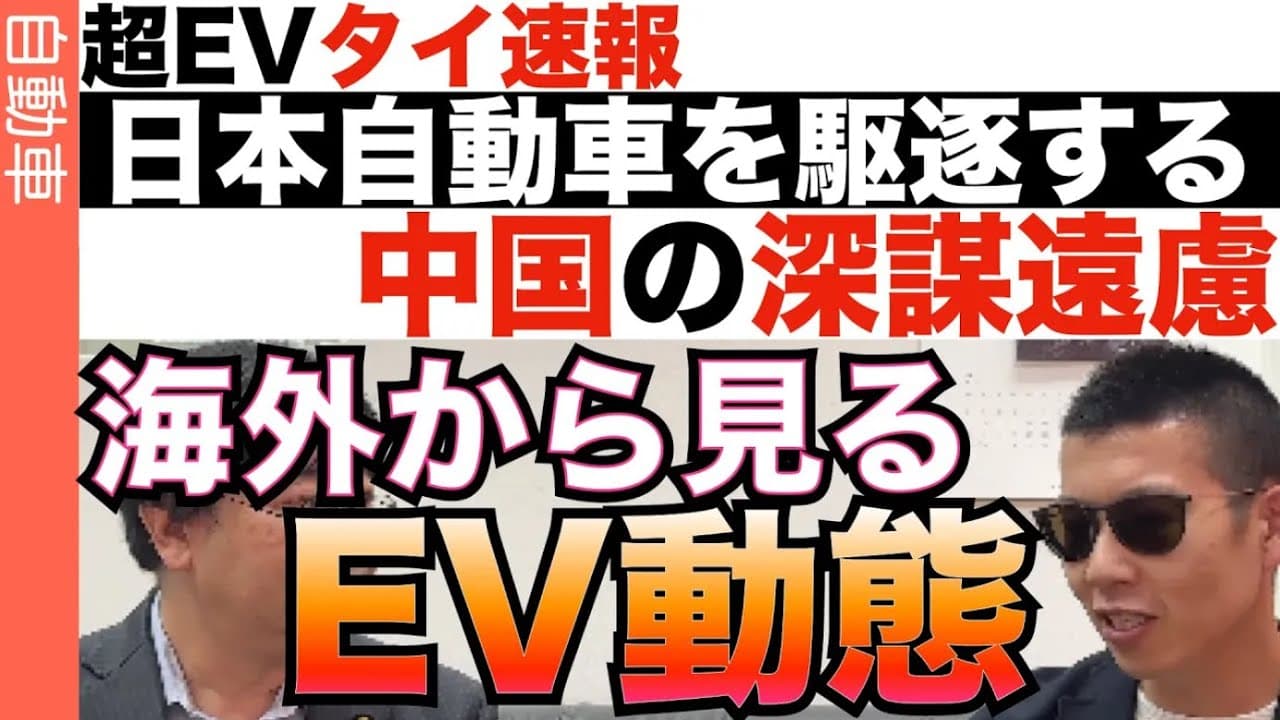
Thailand's manufacturing sector is facing challenges adapting to the electric vehicle (EV) market. While the government promotes EVs, local factories remain focused on traditional mass production, raising concerns about future competitiveness. The lack of integration between design and production in Thailand's factories hinders innovation, and there's skepticism about the viability of EVs due to economic and resale concerns.
Transcript
Hello. This is Manufacturing man from the Manufacturing man Channel . Today we are delivering from Thailand. I visited various factories and met key people and stakeholders. I came to Thailand a while ago, so I met with a company individually. I observed trends in the manufacturing industry in Thailand. Friction stir welding. I visited with Taro Ya... Read More
Key Insights
- Thailand's manufacturing industry is heavily reliant on mass production, which limits its ability to adapt to EV trends.
- AMATA CITY is a major industrial hub in Thailand, hosting numerous Japanese companies, but its infrastructure has seen limited change over the years.
- Japanese factories in Thailand struggle with outdated management methods despite having cutting-edge equipment.
- The Thai government promotes EVs, but local factory leaders are skeptical about their economic viability and resale value.
- Electric vehicles face challenges in Thailand due to concerns about battery longevity and the lack of local production capabilities.
- China is aggressively entering the EV market, posing a threat to Japanese manufacturers with its faster market adaptation.
- Human resource retention is a significant issue, with Chinese companies offering competitive salaries to attract talent from Thai factories.
- Japan's presence in Thailand is crucial for its export market, but there's a lack of awareness about the changing dynamics in the region.
Install to Summarize YouTube Videos and Get Transcripts
Explore YouTube Video Summarizer or Get YouTube Transcript Extractor
Questions & Answers
Q: How is Thailand's manufacturing sector adapting to the EV market?
Thailand's manufacturing sector is struggling to adapt to the electric vehicle (EV) market due to its traditional focus on mass production. While the government promotes EVs, local factories remain entrenched in outdated management practices, and there's a lack of integration between design and production. This limits their ability to innovate and compete in the rapidly changing automotive landscape.
Q: What challenges do Thai manufacturers face with electric vehicles?
Thai manufacturers face several challenges with electric vehicles, including skepticism about their economic viability and resale value. Concerns about battery longevity and the absence of local production capabilities further hinder EV adoption. Additionally, the traditional focus on mass production in Thai factories limits their ability to innovate and adapt to the evolving EV market.
Q: Why is there skepticism about electric vehicles in Thailand?
Skepticism about electric vehicles in Thailand stems from concerns about their economic viability, particularly regarding resale value and battery longevity. The high cost of vehicles in Thailand makes resale value critical, and the lack of local EV production capabilities raises doubts about the long-term sustainability of the market. These factors contribute to the reluctance of local manufacturers to fully embrace EVs.
Q: How is China impacting the EV market in Thailand?
China is significantly impacting the EV market in Thailand by aggressively entering the market with competitive strategies. Chinese companies, with their younger workforce and faster market adaptation, are poised to disrupt traditional automotive markets. This presents a threat to Japanese manufacturers, who are slower to adapt to the changing market dynamics. China's focus on EVs and strategic market positioning could shift the balance of power in the region.
Q: What role does AMATA CITY play in Thailand's manufacturing industry?
AMATA CITY is a major industrial hub in Thailand, hosting numerous Japanese companies. It is a vital center for manufacturing, particularly in the automotive sector. However, despite advancements in equipment, the infrastructure and management practices in AMATA CITY have seen limited evolution over the years, which affects the region's ability to adapt to new market trends like electric vehicles.
Q: What are the human resource challenges in Thailand's manufacturing sector?
Human resource challenges in Thailand's manufacturing sector include the inability to retain talent due to competitive salaries offered by Chinese companies. The traditional seniority-based salary structure in Japanese companies makes it difficult to match the offers from Chinese manufacturers. This talent drain poses a significant threat to the competitiveness and sustainability of Thailand's manufacturing industry.
Q: How important is Japan's presence in Thailand's export market?
Japan's presence is crucial in Thailand's export market, as it serves as a significant base for Japanese exports, particularly in the automotive sector. However, there's a lack of awareness in Japan about the changing dynamics in Thailand, which could affect its influence and competitiveness. Maintaining strong human exchanges and adapting to market changes are essential for Japan to sustain its presence in the region.
Q: What misconceptions does Japan have about its relationship with Thailand?
Japan holds misconceptions about its relationship with Thailand, believing that the Thai market is secure and permanently aligned with Japanese interests. However, Thailand's omnidirectional diplomacy means it maintains good relations with multiple countries, including China. This misconception could lead to complacency, risking Japan's influence and competitiveness in the Thai market if it fails to adapt to changing dynamics.
Summary & Key Takeaways
-
Thailand's industrial sector, particularly in AMATA CITY, has seen limited evolution in management practices despite advancements in equipment. The focus remains on mass production, hindering adaptation to the growing electric vehicle (EV) market. This reliance on traditional methods raises concerns about competitiveness in the evolving global automotive landscape.
-
The Thai government is actively promoting the transition to electric vehicles, but local manufacturers express doubts about their economic viability. Concerns include the resale value of EVs and the durability of batteries, which affect consumer adoption. This skepticism is compounded by the absence of local EV production capabilities, leading to potential economic hollowing.
-
China's rapid entry into the EV market presents a competitive threat to Japanese manufacturers. With a younger workforce and aggressive market strategies, Chinese companies are poised to disrupt traditional automotive markets. Japan must address its human resource challenges and reconsider its export strategies to maintain its influence in Thailand's industrial sector.
Read in Other Languages (beta)
Share This Summary 📚
Summarize YouTube Videos and Get Video Transcripts with 1-Click
Try YouTube Summary with ChatGPT & Claude or YouTube Transcript Generator
Explore More Summaries from ものづくり太郎チャンネル 📚






Summarize YouTube Videos and Get Video Transcripts with 1-Click
Try YouTube Summary with ChatGPT & Claude or YouTube Transcript Generator