Mountaineering: Height Doesn't Matter | National Geographic
TL;DR
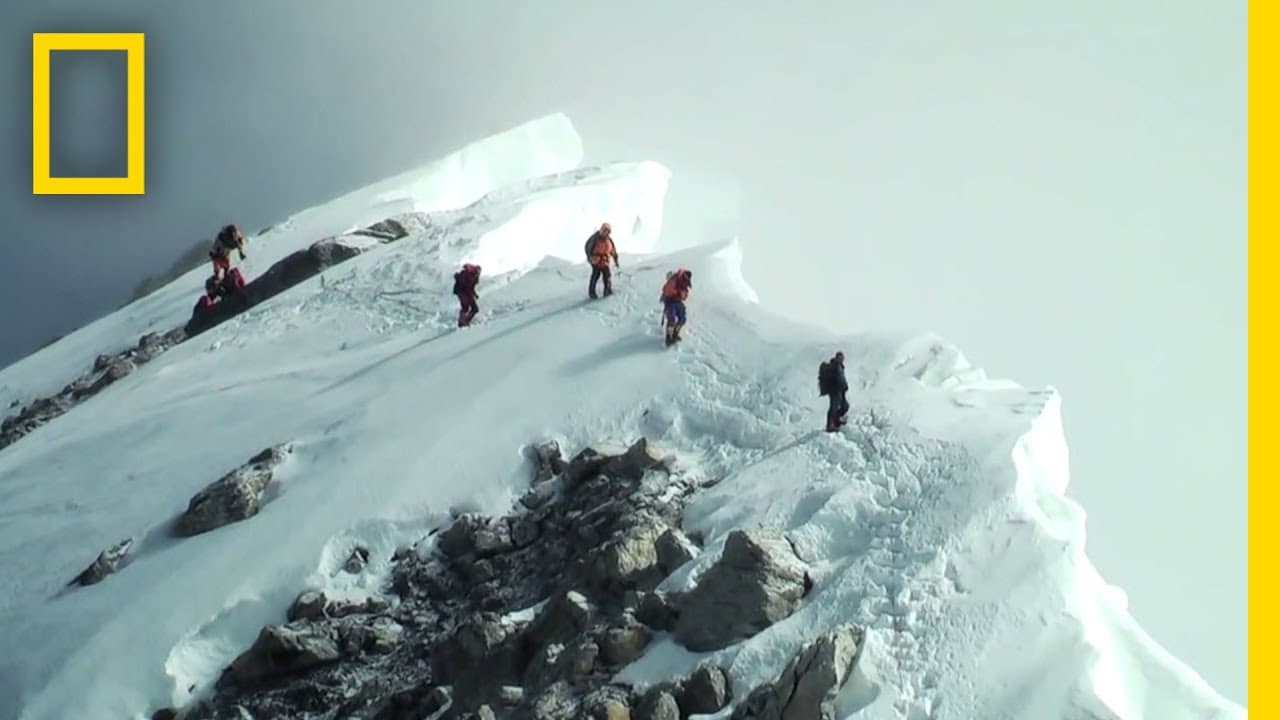
Climbing the world's most difficult mountains without a rope is a risk that alpinists like Colin Haley embrace.
Transcript
when you're climbing a mountain without a rope are you sure that you're not going to fall to your death i mean the truth is you can't no i mean i don't know i was raised by scientists and i'm thinking well there's always some percentage chance that you're going to fall at 26 alpinist colin haley is part of a small subset of climbers dedicated to cl... Read More
Key Insights
- 🤑 Alpinists like Colin Haley focus on climbing challenging mountains rather than just the highest ones.
- 🧗 The combination of rock climbing, ice climbing, and physical fitness is essential for conquering difficult mountains.
- 🧗 Speed, efficiency, and careful gear selection are crucial for survival in alpine climbing.
- 🧗 Climbing without a rope is a risky but thrilling activity that alpinists embrace.
- 🧗 Climbing in extreme conditions requires endurance, mental fortitude, and critical decision-making.
- ❓ Alpinists must be prepared for the possibility of death while pursuing their passion.
- 🪛 The intensity and thrill of battling through storms and harsh conditions can be a driving force for alpinists.
Install to Summarize YouTube Videos and Get Transcripts
Explore YouTube Video Summarizer or Get YouTube Transcript Extractor
Questions & Answers
Q: Is Mount Everest a difficult climb?
In the world of alpinists, Mount Everest is not considered a difficult climb. It is often guided, and even climbers with little experience can reach the summit. A mountain's height does not necessarily equate to its difficulty.
Q: What makes mountains like those in Patagonia or Pakistan more challenging to climb?
Climbing mountains in Patagonia or Pakistan requires a combination of rock climbing, ice climbing, and physical fitness. These mountains have steep faces and can be two to three times the size of Yosemite's El Capitan, requiring high skill levels.
Q: Why do alpinists sometimes forego tents and sleeping bags?
Alpinists aim for light and fast approaches, which means carrying minimal gear. For certain routes, they may choose not to carry tents or sleeping bags to reduce weight. This approach, however, leaves little margin for error.
Q: What challenges do alpinists face in extreme conditions?
Alpinists often battle through storms and blizzards, enduring intense physical and mental exertion without sleep or enough food and water. Despite the hardships, many alpinists enjoy the intensity of these situations.
Summary & Key Takeaways
-
Colin Haley is an alpinist dedicated to climbing the world's most difficult and dangerous mountains in a fast and efficient manner, sometimes without the safety of a rope.
-
He believes that the highest mountains are not necessarily the most challenging, and prefers mountains that are big, steep, and difficult to climb regardless of their altitude.
-
Speed, efficiency, and careful consideration of gear are crucial for survival in alpine climbing.
Read in Other Languages (beta)
Share This Summary 📚
Summarize YouTube Videos and Get Video Transcripts with 1-Click
Try YouTube Summary with ChatGPT & Claude or YouTube Transcript Generator
Explore More Summaries from National Geographic 📚




Summarize YouTube Videos and Get Video Transcripts with 1-Click
Try YouTube Summary with ChatGPT & Claude or YouTube Transcript Generator