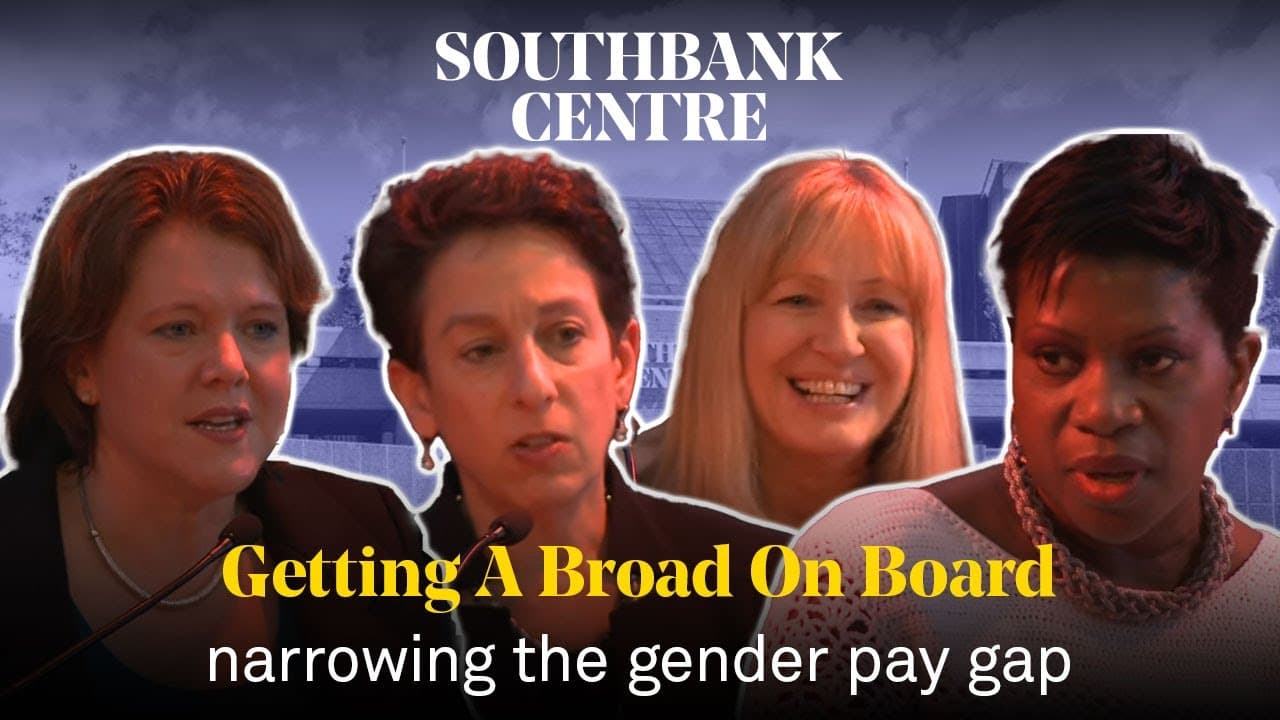
Getting a broad on board: narrowing the gender pay gap
TL;DR
Women in the workplace face challenges such as gender pay gap, lack of representation in leadership positions, and limited access to flexible working arrangements, but progress is being made.
Transcript
hello everyone thank you very much for coming along welcome to our discussion on women in the workplace my name is Sarah sands I'm a distributing standard and I'll be chairing this event sandwich perfectly between International Women's Day and Mothering Sunday we're going to ask how women see themselves at work and because men seem to take most of ... Read More
Key Insights
- 🧘♀️ The gender pay gap and lack of representation of women in leadership positions continue to be significant challenges in the workplace.
- 🤦♀️ Women face barriers such as cultural biases, gendered career choices, and the impact of motherhood on their careers.
- 💦 Employers can play a crucial role in promoting gender equality by implementing family-friendly policies, offering flexibility in work arrangements, and providing support for career advancement.
- 🧑🏭 Quotas have been successful in increasing female representation on boards in some countries, but addressing the underlying structural and cultural factors that contribute to gender inequality is also important.
Install to Summarize YouTube Videos and Get Transcripts
Explore YouTube Video Summarizer or Get YouTube Transcript Extractor
Questions & Answers
Q: Why do women face challenges in advancing to leadership positions?
The panel identified several factors, including cultural biases, gendered career choices, and the impact of motherhood on women's careers. There is also a need for better support for flexible working arrangements and childcare.
Q: What can employers do to promote gender equality in the workplace?
Employers can play a crucial role in creating a level playing field for women by implementing family-friendly policies, offering flexibility in work arrangements, and ensuring equal opportunities for career advancement. They can also actively promote and support women through mentoring and sponsorship programs.
Q: Should quotas be implemented to increase female representation on boards?
The panel had mixed views on quotas, but acknowledged that they have been successful in some countries in increasing female representation on boards. However, they also highlighted the importance of addressing the underlying structural and cultural factors that contribute to gender inequality, rather than relying solely on quotas.
Q: How can women overcome the challenges they face in the workplace?
The panel emphasized the need for women to assert themselves, build confidence, and seek out champions and sponsors who can support their career advancement. It is also important for women to continuously improve their skills and knowledge in order to be competitive in the workplace.
Summary & Key Takeaways
-
The panel discussion highlighted the persistent gender pay gap and lack of representation of women in leadership positions.
-
The importance of addressing cultural and structural factors in workplace inequality was emphasized, including attitudes towards women's career choices and the need for better support for flexible working and childcare.
-
The panel members discussed the potential impact of legislation and voluntary action in promoting gender equality in the workplace.
Read in Other Languages (beta)
Share This Summary 📚
Summarize YouTube Videos and Get Video Transcripts with 1-Click
Try YouTube Summary with ChatGPT & Claude or YouTube Transcript Generator
Explore More Summaries from Southbank Centre 📚




Summarize YouTube Videos and Get Video Transcripts with 1-Click
Try YouTube Summary with ChatGPT & Claude or YouTube Transcript Generator