Why Can’t Scientists Predict the Kilauea Eruption?
TL;DR
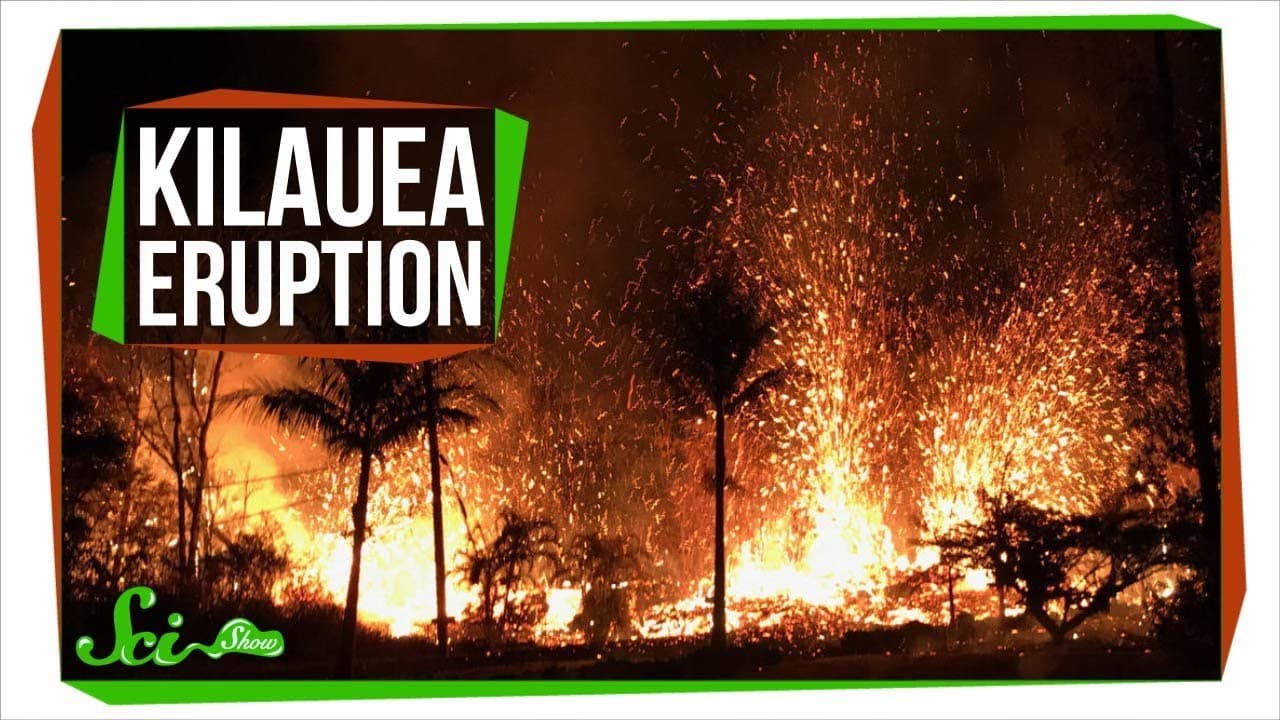
Kilauea, a normally oozing volcano, is experiencing unpredictable eruptions, causing evacuations and destruction. Scientists struggle to predict its behavior due to the complex nature of volcanoes.
Transcript
[♪ INTRO ] Something big is happening in Hawaii. Kilauea, the big island’s friendly neighborhood volcano, is splitting open in unexpected places and launching lava high into the air. The ground is expanding and contracting all across the island, over a thousand people have had to evacuate, and each day brings scary new surprises and terrifying… but... Read More
Key Insights
- 💱 Kilauea's volcanic activity has been extensively monitored, providing some insight into its changing behavior.
- 🥺 Flatter shield volcanoes like Kilauea can have eruptive sites shift over time, leading to eruptions in unexpected areas.
- 🤨 The current volcanic activity of Kilauea is reminiscent of past eruptions in 1955 and 2011, raising concerns of a potential violent eruption.
- 🖤 The lack of knowledge about what is happening underground and why volcanoes erupt makes accurate predictions difficult.
Install to Summarize YouTube Videos and Get Transcripts
Explore YouTube Video Summarizer or Get YouTube Transcript Extractor
Questions & Answers
Q: Why did volcanologists suspect Kilauea's activity was changing?
Volcanologists noticed that the lava lake in Kilauea's summit was overflowing, lifting the ground throughout the island and causing more frequent and larger earthquakes.
Q: What led to the evacuations and destruction caused by Kilauea's eruptions?
As the summit lava lake dropped and a second lava lake drained, fissures opened up in a residential area, spewing lava, fires, and poisonous gases. Subsequent earthquakes and additional fissures caused further damage.
Q: How does Kilauea's volcanic activity differ from other volcanoes?
Kilauea typically oozes instead of exploding due to its low silicate lava, which is hot and runny. The lower viscosity allows gas bubbles to escape, preventing explosive eruptions.
Q: Can scientists accurately predict Kilauea's eruptions?
Scientists cannot accurately predict Kilauea's eruptions due to the complex variables involved, such as the network of chambers and tunnels the lava flows through, lava composition, temperature, and trapped gases.
Summary & Key Takeaways
-
Kilauea's volcanic activity has been continuously erupting for over 30 years, making it one of the most active volcanoes globally.
-
Seismic stations, GPS stations, radar, and webcams provide extensive monitoring, providing a tip to volcanologists that something was changing.
-
The lava lake overflowed, causing earthquakes and fissures, leading to evacuations and destruction of homes.
Read in Other Languages (beta)
Share This Summary 📚
Summarize YouTube Videos and Get Video Transcripts with 1-Click
Try YouTube Summary with ChatGPT & Claude or YouTube Transcript Generator
Explore More Summaries from SciShow 📚


Summarize YouTube Videos and Get Video Transcripts with 1-Click
Try YouTube Summary with ChatGPT & Claude or YouTube Transcript Generator