#AskNASA┃ How Will Astronauts Dig on the Moon?

TL;DR
Geologist explains the uniqueness of the Moon's surface, including impact craters, potential water ice, and the importance of studying moon rocks.
Transcript
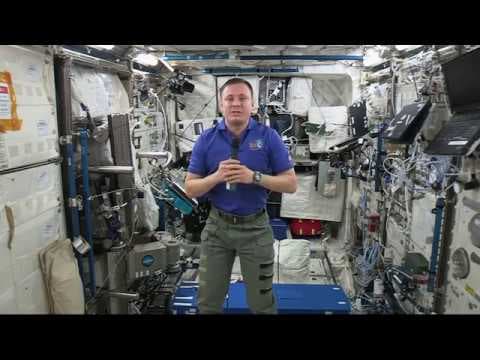
Hi, I'm Jacob Bleacher. I'm a geologist. That means I study rocks and dirt on the Earth and planets. This is ask NASA. I'm here to answer your questions. What is unique about the surface of the Moon? Well the Moon is quite unique from the Earth. It has no atmosphere, there's no air to breathe. What that means is that the processes that have occurre... Read More
Key Insights
- 🖤 The Moon's lack of atmosphere preserves geological features, providing valuable information about its past.
- 🥶 Impact craters on the Moon reveal the history of meteoroid impacts and potential water ice deposits.
- 📤 Specialized tools like X-ray fluorescence spectrometers and 3D printers may enhance exploration capabilities on the Moon.
- 🧑🚀 Astronauts undergo rigorous training, including field exercises, to prepare for lunar surface investigations.
Install to Summarize YouTube Videos and Get Transcripts
Explore YouTube Video Summarizer or Get YouTube Transcript Extractor
Questions & Answers
Q: Why are impact craters significant on the Moon?
Impact craters on the Moon provide a record of past events, including the presence of water or ice and the history of meteoroid impacts. Studying these craters helps us understand the Moon's geological processes.
Q: What tools will astronauts use to explore the Moon?
Astronauts will utilize hammers, rakes, shovels, and X-ray fluorescence spectrometers (XRF) to collect and analyze samples. Rovers will also be employed for surface mobility. Additionally, 3D printers are being tested to potentially create specialized tools.
Q: How are astronauts being prepared to investigate the Moon's surface?
Astronauts undergo training in laboratories, classrooms, and field locations with similar conditions to the lunar surface, such as Hawaii or Arizona. This preparation helps familiarize them with the challenges they may face during their exploration.
Q: What are the goals of the Artemis program and lunar missions?
The Artemis program aims to send the first woman and the next man to the Moon by 2024. The goals include yearly crewed missions, increased supplies, and further exploration of the south polar region. Understanding the water cycle and preservation of water on the Moon is a key focus.
Summary & Key Takeaways
-
The Moon's surface is unique due to its lack of atmosphere, allowing the preservation of processes and features like impact craters.
-
Certain craters at the Moon's poles may contain water ice, which could be a valuable resource for future astronauts.
-
Moon rocks are like fingerprints, revealing the history of the Moon and providing valuable scientific information.
Read in Other Languages (beta)
Share This Summary 📚
Summarize YouTube Videos and Get Video Transcripts with 1-Click
Try YouTube Summary with ChatGPT & Claude or YouTube Transcript Generator
Explore More Summaries from NASA 📚

Summarize YouTube Videos and Get Video Transcripts with 1-Click
Try YouTube Summary with ChatGPT & Claude or YouTube Transcript Generator