Seed-Inspired Microdevices and Zombie Plants
TL;DR
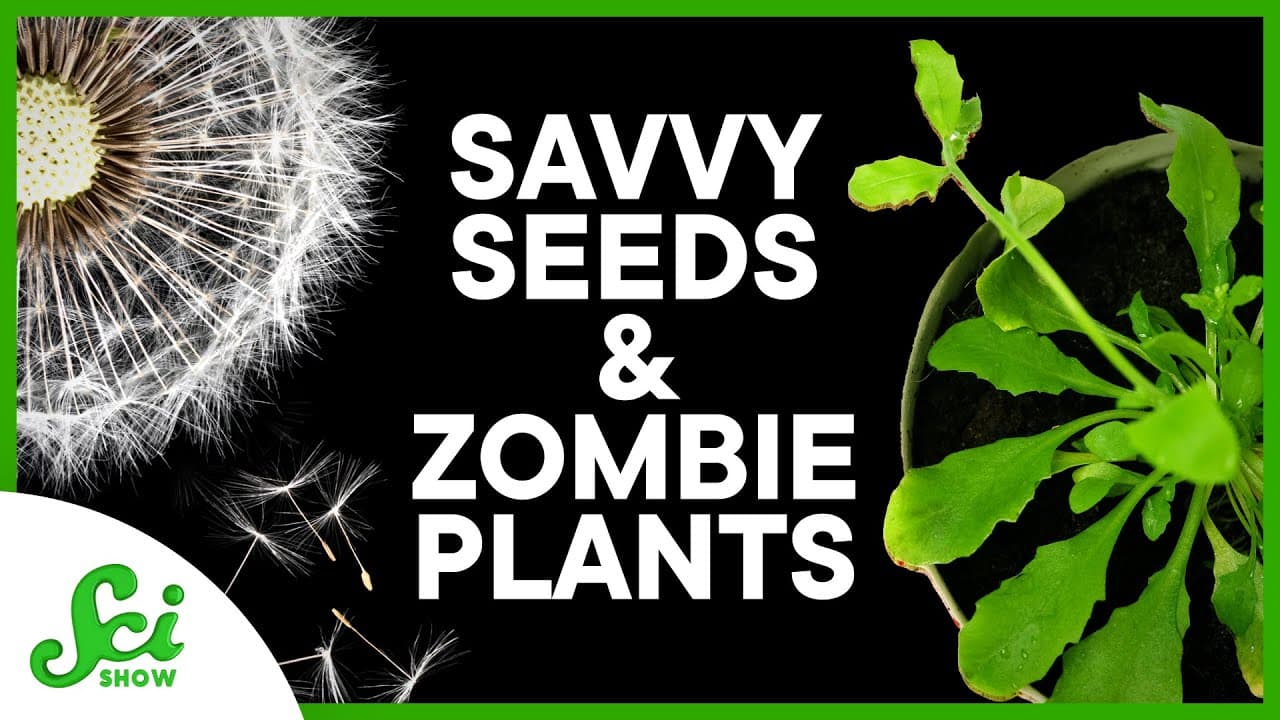
Scientists have designed tiny seed-inspired drones that can mimic the flight patterns of natural seeds. These drones can carry sensors and wireless communication technology to monitor environmental quality and collect data.
Transcript
This episode is sponsored by Fabulous, an app that helps you start building your ideal daily routine. The first 100 people to click on the link will get 25% off a Fabulous subscription. [♪ INTRO] So you know how in sci-fi movies there’s sometimes like hundreds of little surveillance drones flying around a futuristic city? Well, a less dystopian ver... Read More
Key Insights
- 💨 Scientists have designed tiny drones that mimic the flight patterns of natural seeds, providing a new way to monitor the environment and collect data.
- 🛜 The drones can carry sensors and wireless communication technology, enabling measurements of various parameters and data transmission.
- 👻 Borrowing from nature's dispersal methods allows researchers to skip design steps and create efficient devices.
- 🌱 Combining the flight strategies of different seed types can further enhance the drones' capabilities.
- 🌱 By hijacking a receptor responsible for protein degradation, parasites called phytoplasmas cause changes in host plants, turning them into zombie plants that serve the parasites' needs.
- 🤩 The protein SAP05 plays a key role in the changes induced by phytoplasmas, and researchers have successfully created plants resistant to its effects.
- 😋 Phytoplasma-resistant plants could benefit global food production and help small farmers avoid crop devastation.
Install to Summarize YouTube Videos and Get Transcripts
Explore YouTube Video Summarizer or Get YouTube Transcript Extractor
Questions & Answers
Q: How do tiny seed-inspired drones work?
Tiny seed-inspired drones mimic the flight patterns of natural seeds, utilizing wind to glide and travel long distances. They can harvest energy, collect data, and communicate that data back to a central hub.
Q: What are the potential applications of these drones?
These drones can be used to monitor environmental quality, track populations of endangered species, and detect forest fires. They can carry sensors to measure various parameters, such as pH levels and fine dust pollution.
Q: How do the drones compare to natural seeds in terms of flight characteristics?
The researchers tested various aspects of the drones' flight, such as aerodynamics, environmental effects, stability, and controlled descent. They found that the drones moved in similar ways to natural seeds, suggesting effective design and functionality.
Q: Can the drones be improved upon?
Yes, the researchers aim to combine the flying strategies of different types of seeds to create drones that work even better than natural seeds. Further improvements include figuring out how to retrieve the drones after data collection and making them biodegradable.
Summary & Key Takeaways
-
Scientists have developed tiny seed-inspired drones that can harvest energy, collect data, and communicate that data back to a central hub.
-
These drones mimic the dispersal methods of plants, utilizing wind to glide and travel across vast distances.
-
The researchers tested the aerodynamic capabilities and flight characteristics of the drones, and successfully designed fliers that could carry functional sensors and semiconductors.
Read in Other Languages (beta)
Share This Summary 📚
Summarize YouTube Videos and Get Video Transcripts with 1-Click
Try YouTube Summary with ChatGPT & Claude or YouTube Transcript Generator
Explore More Summaries from SciShow 📚


Summarize YouTube Videos and Get Video Transcripts with 1-Click
Try YouTube Summary with ChatGPT & Claude or YouTube Transcript Generator