How Humans Domesticated Just About Everything | Compilation
TL;DR
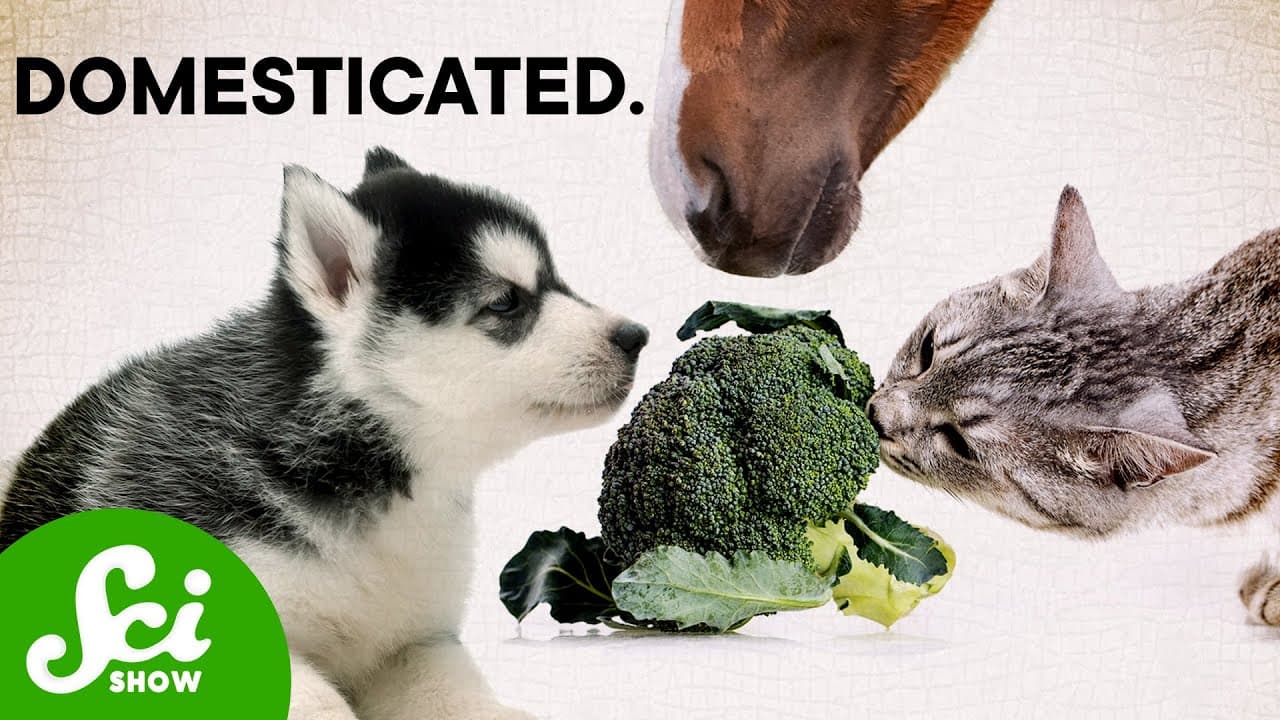
Domestication has had a profound impact on our lives, from our favorite foods to our beloved pets, and even ourselves.
Transcript
thanks for the note for supporting this scishow compilation video for all things lenode you can go to lenod.com scishow that link gives you a 100 60 day credit on a new lenode account you have domestication to thank for some of your favorite foods furry friends even a mode of transportation Apple's domesticated cats domesticated zebras well we trie... Read More
Key Insights
- 😋 Domestication has played a significant role in shaping our favorite foods, leading to the transformation of wild plants into distinct cultivars.
- 🧡 Dogs have experienced extensive domestication, resulting in a wide range of breeds, each with unique traits and characteristics.
- 😚 Cats have domesticated themselves, forming a close bond with humans over time.
- 👍 Zebras, due to their aggression, physical limitations, and natural aversion to humans, have proven to be extremely challenging to domesticate.
- 🧑🏭 Human evolution continues to shape our species, with changes in traits such as lactose tolerance and potential future adaptations to society and environmental factors.
Install to Summarize YouTube Videos and Get Transcripts
Explore YouTube Video Summarizer or Get YouTube Transcript Extractor
Questions & Answers
Q: How have domesticated foods, such as broccoli and kale, evolved from their wild cabbage ancestor?
Domestication and selective breeding have transformed wild cabbage into distinct varieties, resulting in different cultivars like broccoli, kale, and Brussels sprouts.
Q: How are domesticated dogs different from their wild ancestor, the wolf?
Domesticated dogs have undergone extensive breeding, resulting in over 200 breeds with different physical traits and behaviors. They have been shaped by human selection to meet specific needs, such as companionship, herding, or guarding.
Q: How did humans accidentally domesticated cats?
Cats are believed to have domesticated themselves over time by developing a closer relationship with humans. Early humans saw their usefulness in controlling rodent populations, leading to a mutually beneficial alliance.
Q: Why were zebras impossible to domesticate for transportation?
Zebras have evolved in a hostile environment with abundant predators, making them highly aggressive and elusive. Their physical characteristics, such as smaller size, weaker backs, and thick necks, make them unsuitable for carrying riders.
Summary & Key Takeaways
-
Domestication has led to the creation of our favorite foods, such as broccoli, kale, and Brussels sprouts, which are all descendants of wild cabbage.
-
Dogs have been extensively domesticated, resulting in over 200 different breeds and modifications to their physical traits and behavior.
-
Cats have domesticated themselves over time, developing a closer bond with humans, while zebras have proven to be almost impossible to domesticate due to their aggressive nature and physical limitations.
Read in Other Languages (beta)
Share This Summary 📚
Summarize YouTube Videos and Get Video Transcripts with 1-Click
Try YouTube Summary with ChatGPT & Claude or YouTube Transcript Generator
Explore More Summaries from SciShow 📚


Summarize YouTube Videos and Get Video Transcripts with 1-Click
Try YouTube Summary with ChatGPT & Claude or YouTube Transcript Generator