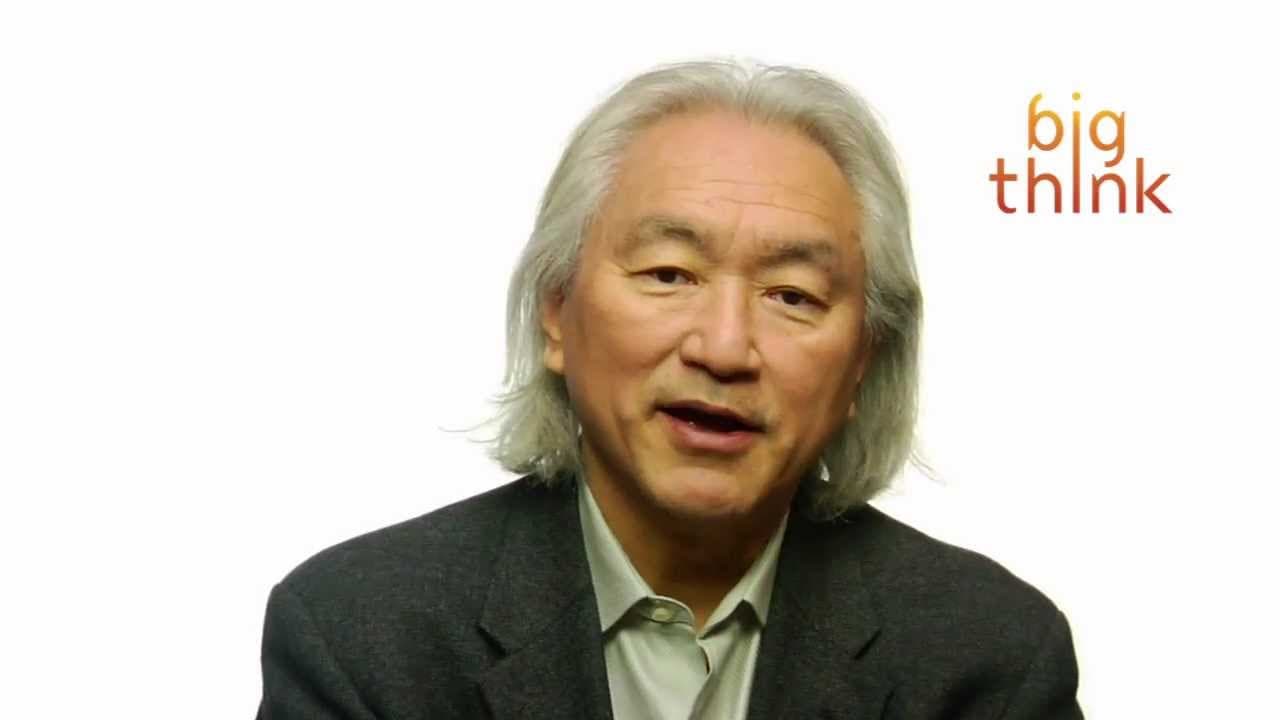
Michio Kaku: How to Reverse Aging | Big Think
TL;DR
Telomerase shows promise in preventing cellular degeneration, but careful consideration is needed to avoid triggering cancer. Genetic repair mechanisms and caloric restriction have also shown potential in extending lifespan.
Transcript
paul telomerase hit the headlines however i think we have to put it into perspective it is not the fountain of youth however it is a significant breakthrough we have to put it into a much larger perspective first of all we know that dna is sort of like a shoelace it has plastic tips at the end every time a cell reproduces the tips get shorter and s... Read More
Key Insights
- 🐢 Telomerase can slow down cellular aging, but caution is needed to avoid triggering cancer.
- 🤕 Aging is caused by the accumulation of genetic and cellular errors, but cells have repair mechanisms that can be accelerated.
- 👍 Caloric restriction has been proven to extend lifespan in various organisms.
- 🎮 Certain genes, like sirtuins, play a role in controlling the aging process.
- 👨🔬 The search for the fountain of youth continues, but currently, no definitive solutions exist.
- 👨🔬 Research on telomerase and genetic mechanisms offers tantalizing clues towards understanding aging.
- 😪 Red wine's resveratrol is being explored for its potential anti-aging effects.
Install to Summarize YouTube Videos and Get Transcripts
Explore YouTube Video Summarizer or Get YouTube Transcript Extractor
Questions & Answers
Q: How does telomerase affect cellular aging and lifespan?
Telomerase can slow down chromosome contraction, maintaining their length and potentially prolonging cell life. However, it is crucial to avoid triggering cancer cells that also use telomerase.
Q: What role do genes and repair mechanisms play in the aging process?
As cells age, genetic mistakes accumulate, and repair mechanisms become less effective. Research is being done to find ways to accelerate cell repair using genes and chemicals.
Q: How does caloric restriction impact lifespan?
Caloric restriction has been found to extend lifespan in various organisms. By reducing caloric intake by 30%, organisms can live 30% longer, showing the importance of managing wear and tear on cells.
Q: Are there genes that control the aging process?
Yes, there are genes involved in controlling the aging process, such as the sirtuin genes, with sur2 being the most prominent. These genes stimulate enzymes like resveratrol, found in red wine, which have potential anti-aging effects.
Summary & Key Takeaways
-
DNA has a biological clock that limits cell reproduction, but telomerase can slow down chromosome contraction, potentially prolonging cell life.
-
Telomerase is also used by cancer cells, making it necessary to avoid triggering cancer when using telomerase in ordinary cells.
-
Aging is the accumulation of genetic and cellular errors, but cells have repair mechanisms that can be accelerated through genes and chemicals.
-
Caloric restriction has been found to extend lifespan in various organisms, and certain genes like sirtuins and enzyme resveratrol have shown potential in mimicking this effect.
Read in Other Languages (beta)
Share This Summary 📚
Summarize YouTube Videos and Get Video Transcripts with 1-Click
Try YouTube Summary with ChatGPT & Claude or YouTube Transcript Generator
Explore More Summaries from Big Think 📚




Summarize YouTube Videos and Get Video Transcripts with 1-Click
Try YouTube Summary with ChatGPT & Claude or YouTube Transcript Generator