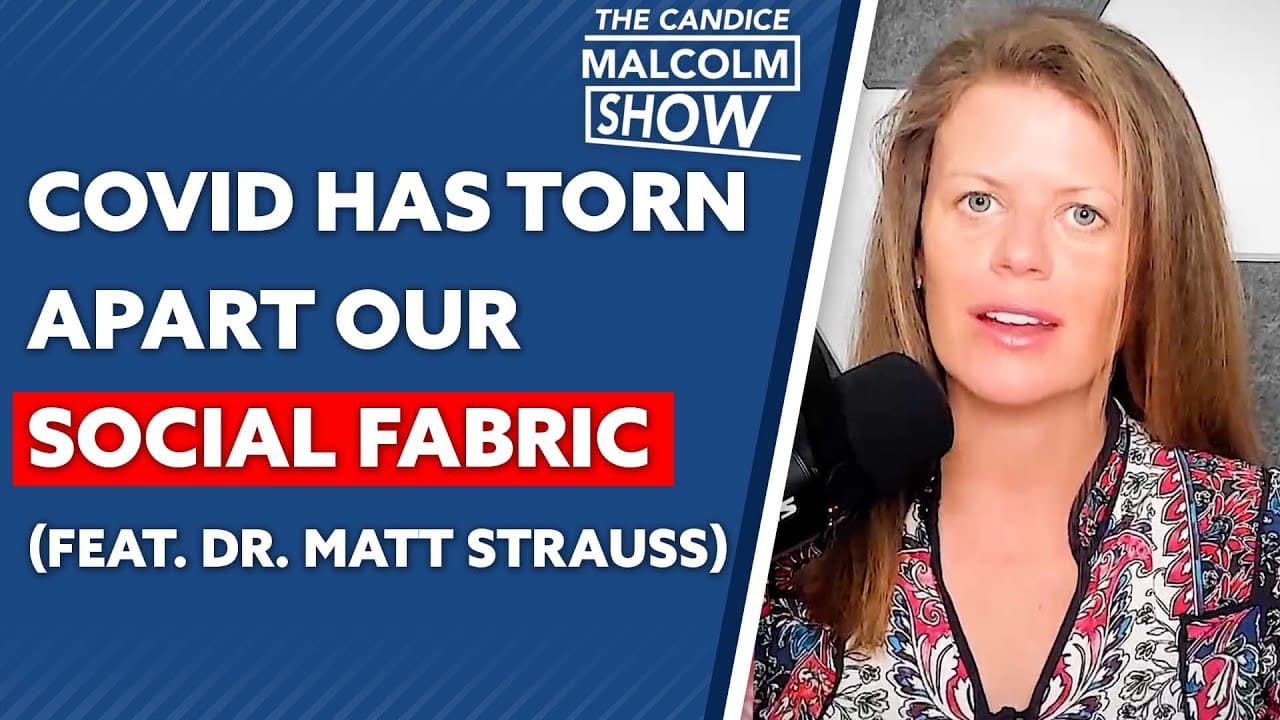
Covid has torn apart our social fabric (Feat. Dr. Matt Strauss)
TL;DR
Canadians struggle with lasting effects of pandemic policies and lost trust in authorities.
Transcript
the coveted pandemic and the reactive government policies have torn apart our social fabric many canadians will never trust authorities or experts including doctors ever again how did we get here and how can we fix it i'm candace malcolm and this is the kenneth welcome show everyone thank you so much for tuning into the podcast so the health scares... Read More
Key Insights
- 🤗 The lasting effects of pandemic restrictions have led to increased mistrust towards health authorities among Canadians, making it essential to foster open dialogue and understanding.
- 🥺 Mental health crises, substance abuse, and social isolation were prevalent as results of enforced lockdowns, leading to devastating personal stories and loss of life.
- 🧑⚕️ A call for accountability and apologies from political leaders could be a step towards healing the societal fractures created during the pandemic.
- 💀 The simplistic narrative of COVID-19's dangers often obscured the broader health risks linked to government measures, such as economic collapse and mental distress.
- 🧑⚕️ Effective communication and compassionate leadership are critical to rebuilding a more resilient and trustworthy public health response in the future.
- 🫡 Public discourse must encourage civility and respect differing viewpoints to overcome divisions that have emerged through polarized pandemic narratives.
- 🧑⚕️ Engagement with the broader implications of personal health choices should take precedent, emphasizing lifestyle factors over a singular focus on vaccination.
Install to Summarize YouTube Videos and Get Transcripts
Explore YouTube Video Summarizer or Get YouTube Transcript Extractor
Questions & Answers
Q: What are some negative impacts of COVID-19 policies observed by Dr. Strauss?
Dr. Strauss witnessed severe degradation in mental health and increased addiction issues during the lockdowns. He recounted instances of patients, including the elderly, suffering from starvation and depression exacerbated by isolation. Moreover, he noted a tragic rise in suicides among healthcare workers due to the mental stress of the pandemic response.
Q: How does Dr. Strauss describe the reaction of government authorities during the pandemic?
He criticizes Canadian authorities for adopting a heavy-handed approach, comparing it to authoritarian regimes. The government focused primarily on controlling the population through mandates and restrictions, often ignoring the mental health implications and the broader welfare of citizens who were suffering from isolation and job losses.
Q: What is Dr. Strauss's view on the future of public health mandates?
Dr. Strauss advocates for the immediate repeal of mandates, deeming them unscientific and politically motivated. He emphasizes the need for leaders to apologize for the divisions created and to restore confidence in public health systems by promoting personal responsibility and respect for individual choices.
Q: What does Dr. Strauss suggest is necessary for rebuilding trust in society?
He argues for a return to fundamental civics education and enlightenment ideals that encourage open inquiry and respectful discourse. Building a civil society will require addressing the cultural rifts caused by the pandemic, as well as educating the public on the importance of diverse opinions and personal responsibility.
Q: What role does social media play in shaping public perception during the pandemic?
Dr. Strauss points out that the ubiquity of social media has amplified fear and misinformation, contributing to widespread panic and a skewed perception of COVID-19's threat. The constant updates and focus on case numbers fostered anxiety and partisan discord, overshadowing discussions about mental and social health.
Q: Why is the comparison between lockdown consequences and COVID-19 fatality rates significant?
Dr. Strauss highlights that the risks of severe COVID-19 outcomes were predominantly among certain demographics, and the lockdowns disproportionately affected younger, healthier populations. He argues that a more balanced risk-benefit analysis was necessary, prompting a reconsideration of restrictive policies that neglected the overall well-being of society.
Q: How does Dr. Strauss frame his experiences during the pandemic?
With a background in critical care, Dr. Strauss frames his insights through firsthand accounts of suffering in hospitals, illuminating how lockdown measures led to significant suffering that often went unreported. His perspective underscores a critical examination of both the pandemic response and its societal consequences.
Summary & Key Takeaways
-
The aftermath of pandemic policies in Canada has left many citizens feeling alienated, marginalized, and distrusting of authorities, including health experts. The impact of harsh measures like lockdowns created social and mental health crises.
-
Dr. Matt Strauss, a prominent critic of pandemic mandates, highlights the dire consequences witnessed during COVID-19, including deteriorating mental health, addiction issues, and loss of livelihoods due to government restrictions.
-
Rebuilding social trust and civil society in Canada is crucial moving forward; meaningful apologies from leaders and a focus on civility in discussions are essential for healing fractures caused by divisive policies.
Read in Other Languages (beta)
Share This Summary 📚
Summarize YouTube Videos and Get Video Transcripts with 1-Click
Try YouTube Summary with ChatGPT & Claude or YouTube Transcript Generator
Explore More Summaries from True North 📚





Summarize YouTube Videos and Get Video Transcripts with 1-Click
Try YouTube Summary with ChatGPT & Claude or YouTube Transcript Generator