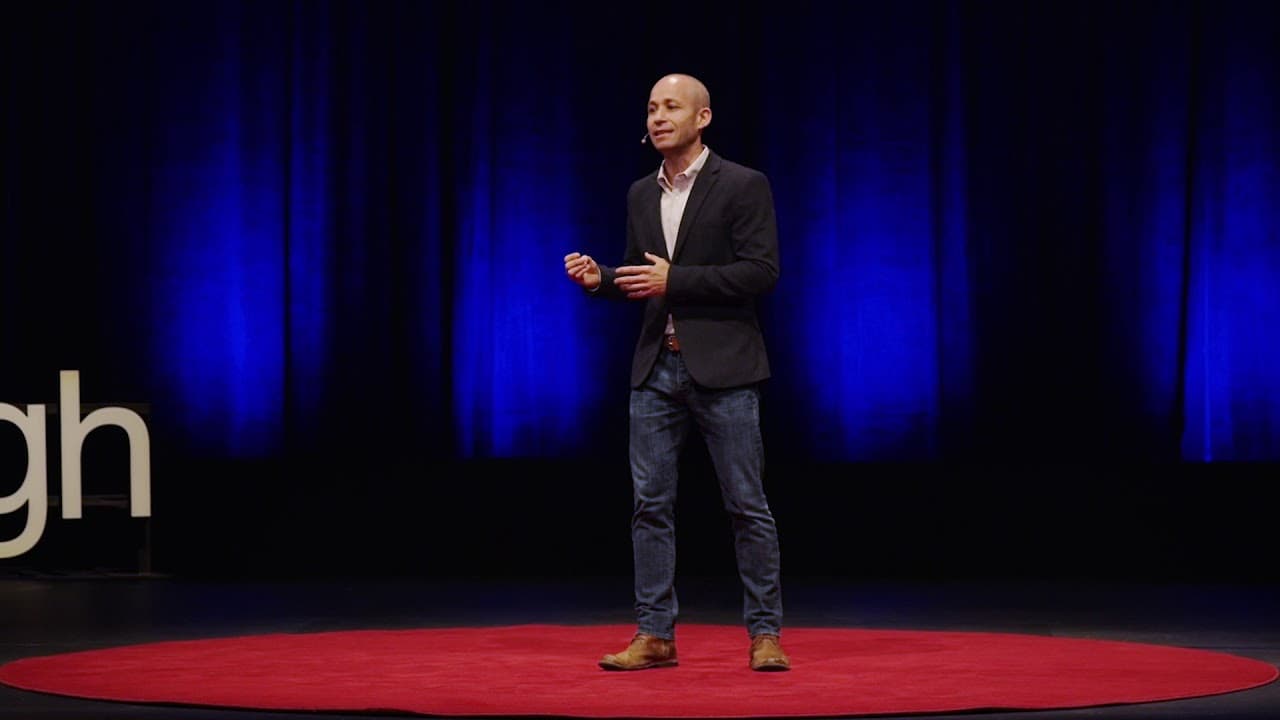
Museums have a dark past, but we can fix that | Chip Colwell | TEDxMileHigh
TL;DR
Museums must return cultural artifacts to their rightful origins.
Transcript
Translator: Hana Colucci Reviewer: Cristina Bufi-Pöcksteiner A confession: I am an archaeologist and a museum curator, but a paradoxical one. For my museum, I collect things, but I also return things back to where they came from. I love museums because they are social, and educational, but I'm most drawn to them because of the magic of obje... Read More
Key Insights
- Museums are cultural and educational hubs, attracting millions of visitors annually, but they are also sites of ethical dilemmas regarding cultural artifacts.
- Communities worldwide, including Greece, Egypt, and New Zealand's Maori, demand the repatriation of cultural treasures held in distant institutions.
- Native Americans have led significant repatriation efforts, reclaiming over one million artifacts and 50,000 sets of skeletons from US museums.
- The Zuni tribe's war gods, seen as living beings rather than art, exemplify the cultural violence museums can commit by holding sacred objects.
- The 1990 US law allowing Native Americans to reclaim cultural items from museums marked a turning point in addressing historical injustices.
- Repatriation involves complex negotiations with tribes about the respectful transfer and reburial of human remains and sacred objects.
- Museums possess vast collections, with only a fraction displayed, allowing for the return of cultural items without significant loss to their holdings.
- Repatriation fosters valuable relationships between museums and indigenous communities, promoting living cultures over static historical displays.
Install to Summarize YouTube Videos and Get Transcripts
Explore YouTube Video Summarizer or Get YouTube Transcript Extractor
Questions & Answers
Q: What is the main ethical issue museums face according to Chip Colwell?
Chip Colwell identifies the main ethical issue as the retention of cultural artifacts that belong to indigenous and other communities. These communities demand the return of their cultural treasures, which are often held in museums far from their places of origin. This issue involves addressing historical injustices and respecting the cultural and spiritual significance of these items to their original communities.
Q: Why do Native Americans want their cultural items returned from museums?
Native Americans want their cultural items returned because these items hold significant spiritual and cultural value. Many artifacts, such as the Zuni war gods, are considered living beings rather than mere objects. The retention of these items by museums is seen as a form of cultural violence and a continuation of historical injustices, including the plundering of graves and the suppression of Native American culture.
Q: What was the impact of the 1990 US law on Native American repatriation efforts?
The 1990 US law significantly impacted Native American repatriation efforts by legally enabling tribes to reclaim cultural items, sacred objects, and human remains from museums. This legislation marked a critical turning point in acknowledging and addressing the historical wrongs committed against Native Americans. It has led to the return of over one million artifacts and 50,000 sets of skeletons, fostering a movement toward cultural reconciliation.
Q: How does Chip Colwell propose museums should handle the issue of repatriation?
Chip Colwell proposes that museums should actively engage in repatriation by returning cultural artifacts to their original communities. This involves complex negotiations with tribes to ensure the respectful transfer and reburial of items. Colwell argues that repatriation is an opportunity for museums to correct past mistakes, restore dignity to marginalized communities, and transform themselves into places that honor living cultures rather than static historical displays.
Q: What challenges do museums face in the repatriation process?
Museums face several challenges in the repatriation process, including negotiating with tribes to determine who will receive the items and how they will be transferred. There are logistical issues in handling and transporting human remains and sacred objects respectfully. Additionally, museums must balance their educational and cultural missions with the ethical imperative to return items, often navigating legal and bureaucratic hurdles, especially with international collections.
Q: Why does Chip Colwell believe repatriation is beneficial for museums?
Chip Colwell believes repatriation is beneficial for museums because it builds valuable relationships with indigenous communities and transforms museums into spaces that respect and honor living cultures. By returning cultural items, museums can correct historical injustices, foster cultural understanding, and enhance their educational missions. Repatriation allows museums to maintain their vast collections while promoting ethical stewardship and cultural reconciliation.
Q: How did Chip Colwell's perspective on museums and repatriation change over time?
Chip Colwell's perspective on museums and repatriation evolved from seeing museums as purely educational and cultural institutions to recognizing their role in perpetuating historical injustices. His experiences, particularly his travels and work at the Denver Museum of Nature & Science, led him to understand the cultural violence inherent in retaining sacred objects. This realization prompted him to advocate for repatriation as a means of correcting past wrongs and fostering cultural respect.
Q: What does the story of the Zuni war gods illustrate about the broader issue of cultural repatriation?
The story of the Zuni war gods illustrates the broader issue of cultural repatriation by highlighting the deep spiritual and cultural significance these objects hold for their original communities. It demonstrates the cultural violence museums can commit by retaining such items and the ethical imperative to return them. The Zuni war gods' story underscores the need for museums to respect indigenous beliefs and practices, challenging traditional museum practices and advocating for cultural reconciliation.
Summary & Key Takeaways
-
Chip Colwell, a museum curator, discusses the ethical challenges museums face regarding the repatriation of cultural artifacts. He highlights the demands of various communities, particularly Native Americans, to reclaim their heritage from museums. Colwell emphasizes that returning these items can foster relationships and respect for living cultures.
-
The Zuni tribe's war gods serve as a poignant example of the cultural violence museums can commit by retaining sacred objects. Colwell advocates for their return, arguing that it respects the spiritual beliefs of the Zuni and corrects historical wrongs. This approach challenges traditional museum practices but offers a path to reconciliation.
-
Colwell's work at the Denver Museum of Nature & Science demonstrates the complexities of repatriation, involving negotiations with tribes and the respectful handling of human remains. Despite the challenges, repatriation can transform museums into places that honor living cultures and restore dignity to historically marginalized communities.
Read in Other Languages (beta)
Share This Summary 📚
Summarize YouTube Videos and Get Video Transcripts with 1-Click
Try YouTube Summary with ChatGPT & Claude or YouTube Transcript Generator
Explore More Summaries from TEDx Talks 📚




Summarize YouTube Videos and Get Video Transcripts with 1-Click
Try YouTube Summary with ChatGPT & Claude or YouTube Transcript Generator