The Top 10 Things You Can Do Today to LOSE WEIGHT & Take Control of Your Health | Mind Pump 1877
TL;DR
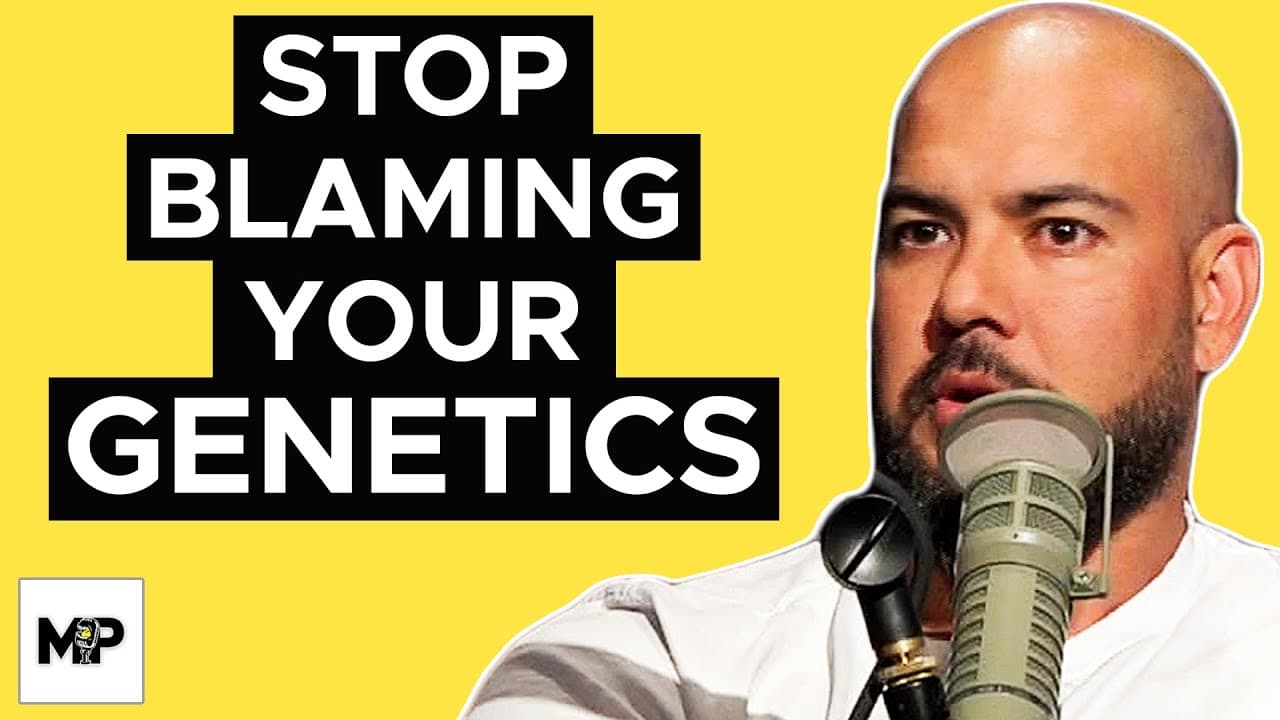
Obesity is driven by lifestyle, not genetics.
Transcript
this one has a big impact though mostly on behaviors i agree with you adam it's like when you're not getting good sleep your behaviors are going to point you more towards obesity than not you get that brain fog i mean it's going to affect your energies throughout the day so there's just a lot of uh you know cause and effect to not getting good slee... Read More
Key Insights
- Genetics play a minor role in obesity; lifestyle and environment are the main contributors.
- A diet high in hyper-palatable, ultra-processed foods leads to overeating and weight gain.
- Physical inactivity is a significant factor in obesity; modern lifestyles require less movement.
- Lack of muscle mass contributes to slower metabolism and increased fat storage.
- The convenience of food has reduced our respect for it, leading to overconsumption.
- Endocrine-disrupting chemicals in everyday products can affect hormone balance and promote weight gain.
- Poor sleep habits disrupt hormone levels and lead to poor dietary choices and reduced physical activity.
- Consuming liquid calories, like sugary drinks, significantly increases daily calorie intake.
Install to Summarize YouTube Videos and Get Transcripts
Explore YouTube Video Summarizer or Get YouTube Transcript Extractor
Questions & Answers
Q: How do hyper-palatable foods contribute to obesity?
Hyper-palatable foods, which are high in sugar, fat, and salt, are designed to be highly appealing and easy to overeat. They trigger the brain's reward system, leading to increased calorie consumption. This overeating often results in weight gain, as these foods are calorie-dense and nutrient-poor.
Q: Why is physical activity important in managing weight?
Physical activity helps burn calories, build muscle, and boost metabolism. Muscle tissue burns more calories than fat tissue, even at rest, making it crucial for maintaining a healthy weight. Regular movement also improves insulin sensitivity and overall metabolic health, reducing the risk of obesity.
Q: What role do endocrine disruptors play in obesity?
Endocrine disruptors are chemicals that interfere with hormone function, potentially leading to weight gain. They can alter metabolism, fat storage, and insulin sensitivity. Common sources include plastics, personal care products, and certain foods. Reducing exposure to these chemicals can help manage weight and improve health.
Q: How does sleep affect weight management?
Poor sleep disrupts hormones that regulate hunger and satiety, leading to increased cravings and poor food choices. It also reduces energy levels, making physical activity less likely. Consistently inadequate sleep can slow metabolism and increase stress, both of which contribute to weight gain.
Q: Why is eating while distracted problematic?
Eating while distracted, such as watching TV or using a phone, leads to mindless eating and overconsumption. It disconnects individuals from their hunger and fullness cues, often resulting in consuming more calories than needed. Focusing on meals without distractions can help regulate food intake.
Q: How do liquid calories impact weight gain?
Liquid calories, found in sugary drinks and juices, are easily consumed in large quantities without providing satiety. They add significant calories to the diet without reducing hunger, leading to an overall increase in daily caloric intake and contributing to weight gain.
Q: What is the relationship between antidepressants and weight gain?
Antidepressants can affect appetite and metabolism, leading to weight gain in some individuals. They may alter neurotransmitter activity, impacting hunger and satiety signals. Patients on antidepressants should monitor their weight and discuss any concerns with their healthcare provider to manage this side effect.
Q: Can birth control contribute to obesity?
Certain birth control methods can influence weight due to hormonal changes they induce. Estrogen and progesterone, found in many contraceptives, can affect metabolism and fat storage. Women experiencing significant weight changes on birth control should consult their healthcare provider to explore alternative options.
Summary & Key Takeaways
-
The discussion emphasizes that obesity is largely a result of lifestyle choices rather than genetic predisposition. It highlights how modern diets, lack of physical activity, and environmental factors contribute to weight gain. Addressing these factors can help manage obesity.
-
Key contributors to obesity include diets high in processed foods, sedentary lifestyles, and insufficient muscle mass. Additionally, modern conveniences and distractions lead to overeating, while endocrine disruptors and poor sleep further exacerbate weight issues.
-
Medications like antidepressants and birth control can also influence weight gain. By understanding and adjusting lifestyle factors, individuals can better manage their weight and overall health, countering the obesity epidemic.
Read in Other Languages (beta)
Share This Summary 📚
Summarize YouTube Videos and Get Video Transcripts with 1-Click
Try YouTube Summary with ChatGPT & Claude or YouTube Transcript Generator
Explore More Summaries from Mind Pump Show 📚






Summarize YouTube Videos and Get Video Transcripts with 1-Click
Try YouTube Summary with ChatGPT & Claude or YouTube Transcript Generator