Develop your OWN Art Style | And how to draw with it | Drawlikeasir
TL;DR
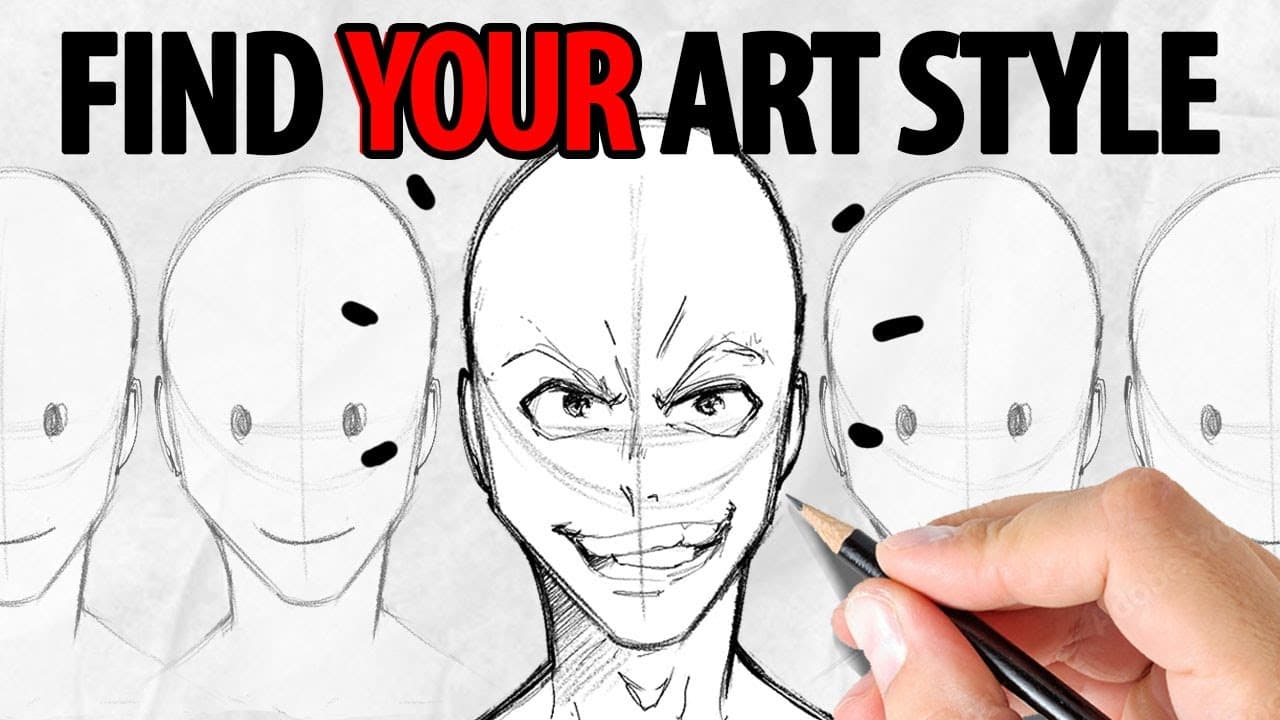
Learn how to create your own art style step by step.
Transcript
Hi Guys, My name's marcel and well ...- come Today's the day, you're gettimng excatly what you're looking for, I will be giving you - a STEP BY STEP roadmap on how you're building yourself your OWN artstyle, what you need to look out for and also- how the professionals did it. I'd say my drawing style's also changed after.. half a decade of ... Read More
Key Insights
- 🥰 A strong foundational understanding of anatomy is crucial for developing any art style; mastering the basics allows for meaningful stylization.
- 💦 Identifying personal preferences is a step-wise process that involves guided comparisons and critical self-reflection on one's work.
- 🥰 Consistent practice fosters muscle memory and unique habits that are essential in creating a recognizable and cohesive art style.
- 🥰 Art styles evolve through a cycle of experimenting, developing, and refining features based on feedback and personal taste.
- 🧑🎨 Drawing inspiration from multiple artists enriches one's style while maintaining originality and personal touch.
- 🧑🎨 Limitations encountered during creating art can lead to innovative techniques that redefine an artist’s unique approach.
- 💦 Trademark elements in an artist’s work help create recognition, establishing a connection with audiences and building a loyal following.
Install to Summarize YouTube Videos and Get Transcripts
Explore YouTube Video Summarizer or Get YouTube Transcript Extractor
Questions & Answers
Q: What is the first step in creating my own art style according to Marcel?
Marcel emphasizes that the first step is learning to draw a blank face effectively. While it may seem mundane, mastering the basics and understanding facial anatomy provides a strong foundation before moving onto stylistic choices. Drawing a clean base allows for experimentation and personalization of features, which is essential in developing one's unique art style.
Q: How can I figure out what I like or dislike in my art?
Marcel suggests an introspective approach where you analyze your existing artwork to identify features you are happy or dissatisfied with. By comparing different styles and observing various artists, you can refine your preferences in your art based on aspects like eyes, noses, and more. This helps in adopting changes that resonate with your visual aesthetic over time.
Q: Why is practice essential in developing an art style?
Practice serves to establish muscle memory and consistent habits essential for style development. As you repeatedly draw elements, you become skilled at making your preferred stylistic choices. This process also involves recognizing patterns that emerge in your work, leading to the development of a cohesive style that becomes identifiable over time.
Q: Can I draw inspiration from other artists without copying their styles?
Yes, Marcel encourages artists to gather inspiration from various artists, rather than emulating a single one. By studying multiple sources and identifying shared elements, you can create a unique blend that incorporates aspects you admire, facilitating the evolution of your personal art style while still respecting the originality of others.
Q: How do limitations affect the development of an art style?
Limitations, such as time constraints during conventions, can lead to innovative stylistic choices. For example, Marcel shares how he adopted a simplified coloring technique under pressure, which eventually became a hallmark of his style. These experiences often unlock creative solutions that can become defining traits in an artist's work.
Q: What role do trademarks play in an artist's style?
Trademarks are unique characteristics that artists develop over time, distinguishing their work within the art community. Marcel points out that repeated elements, like specific ways of drawing mouths or colors used, become recognizable traits that fans associate with their favorite artists. These trademarks are ultimately a testament to an artist's growth and uniqueness.
Q: How can I ensure consistency in my character designs?
Achieving consistency involves establishing a clear set of preferences and habits that guide your drawings. By practicing core elements like hairstyles and facial features regularly, you build a foundation that makes your characters recognizable and cohesive across different artworks. Regular practice and acknowledgment of your stylistic preferences lead to more uniform character designs.
Q: What should I do if I feel stuck in my art style?
If you're feeling blocked in your artistic endeavors, Marcel recommends taking a step back and exploring the works of both familiar and new artists. Observing diverse styles can reignite inspiration and prompt creative thinking, allowing you to identify elements worth integrating into your own style. Experimenting and maintaining a dynamic approach to your art helps overcome stagnation.
Summary & Key Takeaways
-
The video provides a structured approach to developing a personal art style, beginning with mastering the basics of drawing anatomy, especially faces.
-
It emphasizes recognizing individual preferences and influences by studying various artists, allowing one to curate a unique style while drawing from inspirations.
-
Throughout the journey of style development, consistent practice and observation play crucial roles, leading to the formation of recognizable trademarks that define the artist's work.
Read in Other Languages (beta)
Share This Summary 📚
Summarize YouTube Videos and Get Video Transcripts with 1-Click
Try YouTube Summary with ChatGPT & Claude or YouTube Transcript Generator
Explore More Summaries from Draw like a Sir 📚
Summarize YouTube Videos and Get Video Transcripts with 1-Click
Try YouTube Summary with ChatGPT & Claude or YouTube Transcript Generator