How to Implement Change... in the Face of Resistance to Change
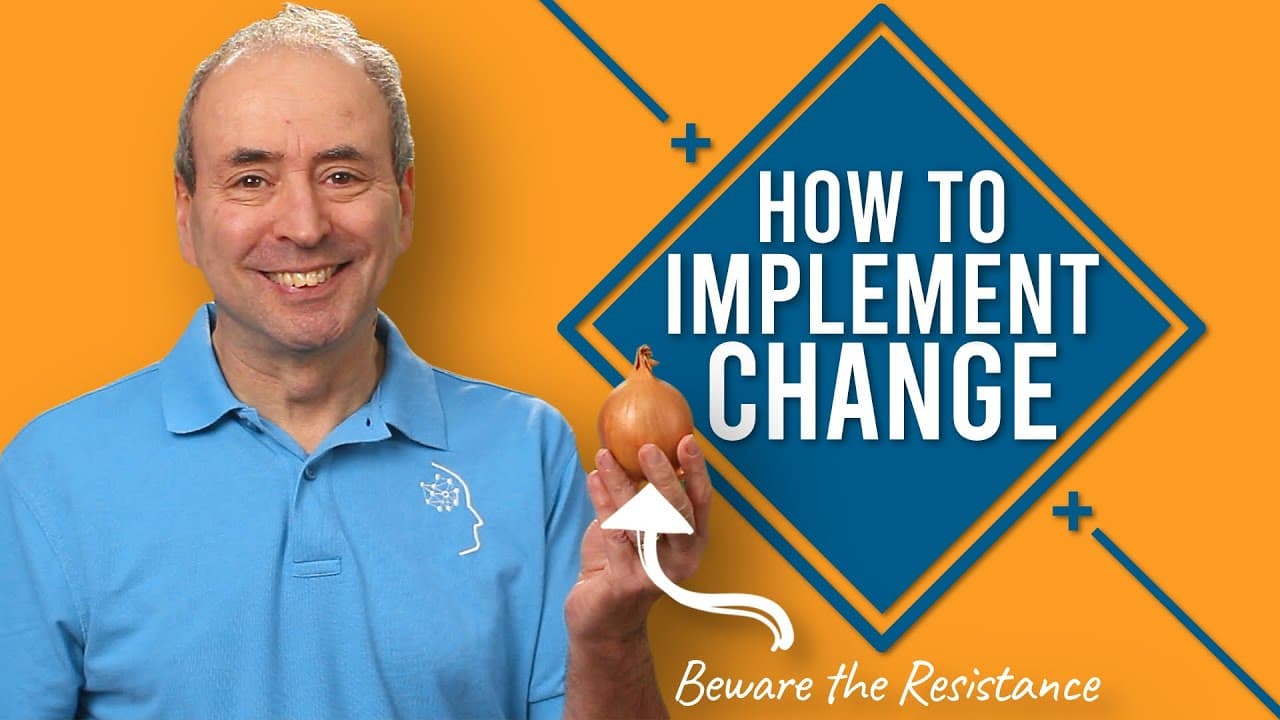
TL;DR
Learn how to effectively handle the five most common forms of resistance to change in order to ensure successful implementation.
Transcript
let's face it whenever we Implement change we Face resistance so let's look at how to handle the five commonest forms of resistance to make our change implementation a success this video is sponsored by the digital adoption platform walk me people will resist change that's a given unless of course you're proposing to double their salaries and halve... Read More
Key Insights
- 💱 People resist change due to a lack of understanding, concerns about the chosen path, perceived disadvantages, and general aversion to change.
- 🪡 Leaders must effectively communicate the need for change and explain the organization's decision-making process.
- ❓ It is essential to address individual concerns and provide support and resources accordingly.
- 💱 Offering training and personal development opportunities helps individuals embrace change.
Install to Summarize YouTube Videos and Get Transcripts
Explore YouTube Video Summarizer or Get YouTube Transcript Extractor
Questions & Answers
Q: How can leaders effectively handle resistance when people don't understand the need for change?
Leaders should spend time explaining and demonstrating the need for change. They need to discuss relevant threats, drivers, trends, and opportunities to help individuals understand the rationale behind the change.
Q: What should leaders do when people question the organization's choice of a specific change?
Leaders must explain why the organization has chosen a particular path and be prepared to accept that it may involve compromise. They should address any misunderstandings and ensure individuals understand the reasons behind the decision.
Q: How should leaders approach individuals who express dislike for a change?
Leaders should assess whether the change genuinely poses a disadvantage for these individuals. If it does, they should provide support and resources to help navigate the challenges. If it doesn't, leaders should demonstrate how the change can benefit them.
Q: How can leaders handle resistance when people simply dislike change in general?
Leaders should provide support and confidence, assuring individuals that they have successfully navigated change before and will do so again. Additionally, leaders should offer training and personal development opportunities to help individuals adapt to the new environment.
Summary & Key Takeaways
-
People often resist change because they don't understand the need for it. Leaders must spend time explaining and demonstrating the need for change.
-
Resistance intensifies when people don't understand why a specific change was chosen. Leaders must explain the organization's decision-making process and be prepared to accept compromise.
-
Some individuals resist change because they believe it won't be beneficial for them. Leaders must assess whether the change truly poses a disadvantage and provide support and resources accordingly.
-
Resistance also arises from a general aversion to change. Leaders need to support individuals through the change and provide training and personal development opportunities.
-
Resistance may also stem from personal issues and past experiences. It is essential to address legitimate grievances and handle inappropriate behavior accordingly.
Read in Other Languages (beta)
Share This Summary 📚
Summarize YouTube Videos and Get Video Transcripts with 1-Click
Try YouTube Summary with ChatGPT & Claude or YouTube Transcript Generator
Explore More Summaries from Online PM Courses - Mike Clayton 📚






Summarize YouTube Videos and Get Video Transcripts with 1-Click
Try YouTube Summary with ChatGPT & Claude or YouTube Transcript Generator