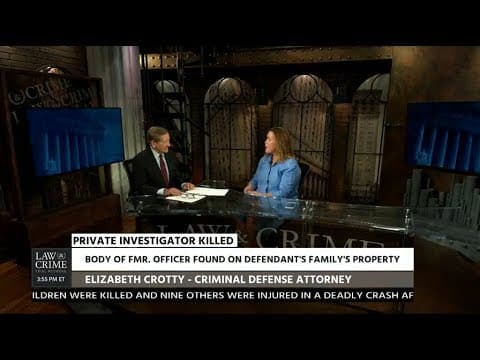
Dr. William Reid and Bob Bianchi Talk James Holmes Theater Shooter on Law & Crime Network

TL;DR
Dr. William Reid, a forensic psychiatrist, provides insights into the mind of the Aurora movie theater shooter, discussing his motive, access to firearms, and lack of remorse.
Transcript
welcome back Lauren crime Network Dan Abrams production we have a real special and interesting yet again sad case if you guys may remember James home theater shooting we're going back to July of 2012 July 20 to be exact in Aurora Colorado you may remember the man goes into the movie theater there's a picture of him right there crazy red hair he goe... Read More
Key Insights
- 😥 The shooter's motive for mass murder was multifaceted, involving mental illness and strange ideas, such as acquiring "human capital points."
- 🖐️ Access to firearms played a role in the shooter's choice of weaponry, but it is believed he would have resorted to other methods if guns were unavailable.
- 👶 The shooter exhibited minimal remorse, with his regret mainly focused on child victims and considering others collateral damage.
Install to Summarize YouTube Videos and Get Transcripts
Explore YouTube Video Summarizer or Get YouTube Transcript Extractor
Questions & Answers
Q: Were there any signs before the shooting that indicated the shooter's intentions?
While there were concerning behavioral markers, such as discussing killing people, it was difficult to predict the level of violence he would commit. No one could have anticipated the tragedy, including the shooter himself.
Q: Would stricter gun control have prevented the shooting?
The shooter obtained his firearms legally, and it's likely he would have found alternative methods if guns were not accessible to him. His mission was to kill as many people as possible, and he considered various ways to achieve this goal.
Q: Did the shooter express any remorse for his actions?
The shooter had minimal remorse, particularly concerning child victims. He expressed vague regret for injuring others but considered them collateral damage. His lack of true remorse is questioned but remains speculative.
Q: Were there any psychological markers that indicated the shooter's propensity for violence?
While the shooter displayed concerning behavior and expressed thoughts about killing people, these markers were not specifically related to psychiatric issues. The majority of individuals with mental illness are not violent, and the mentally ill are no more at risk for violence than others.
Summary & Key Takeaways
-
In July 2012, a mass shooting occurred in an Aurora, Colorado movie theater, resulting in 12 deaths and numerous injuries.
-
Dr. William Reid, a forensic psychiatrist, was hired to evaluate the shooter and spent over 23 hours interviewing him, analyzing diaries, and speaking to his family and acquaintances.
-
The shooter's motive was complex, involving mental illness, strange ideas, and a desire to acquire "human capital points" by taking lives.
Read in Other Languages (beta)
Share This Summary 📚
Summarize YouTube Videos and Get Video Transcripts with 1-Click
Try YouTube Summary with ChatGPT & Claude or YouTube Transcript Generator
Explore More Summaries from Law&Crime Network 📚

Summarize YouTube Videos and Get Video Transcripts with 1-Click
Try YouTube Summary with ChatGPT & Claude or YouTube Transcript Generator