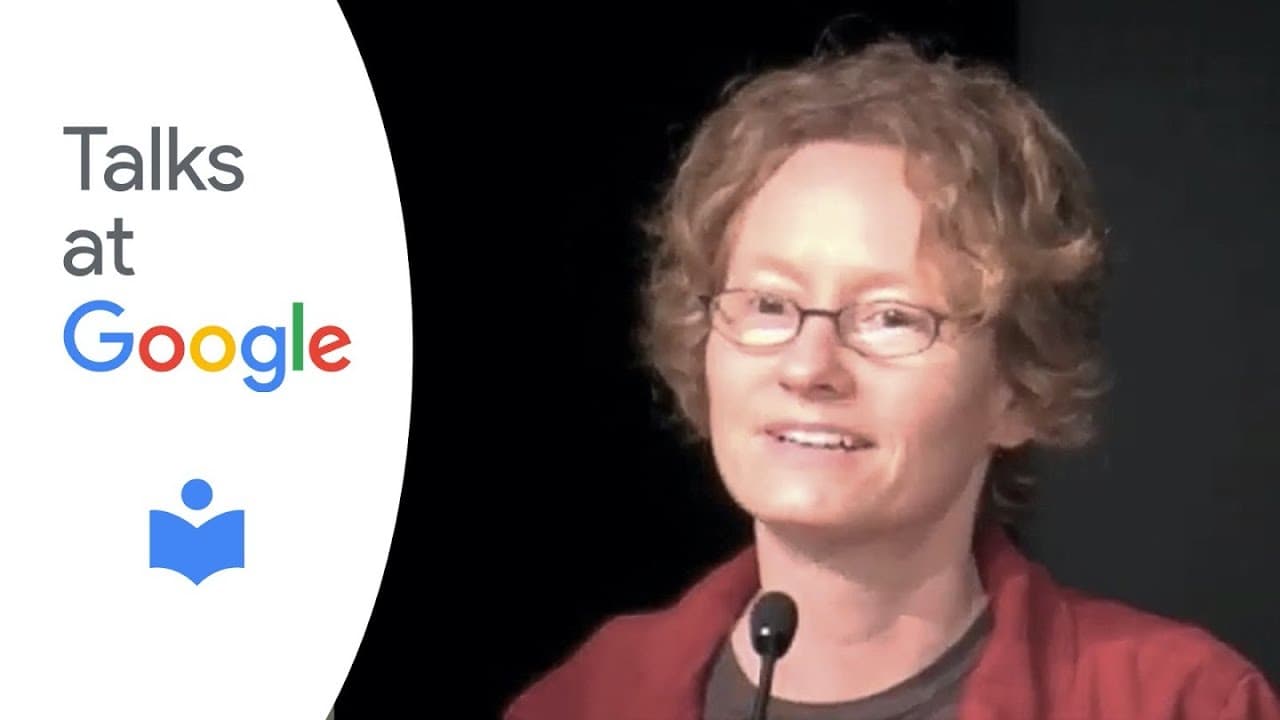
The Weed that Killed Lincoln's Mother | Amy Stewart | Talks at Google
TL;DR
Amy Stewart discusses her book "Wicked Plants" which explores the dark and dangerous side of various plants, from poisonous ones to those with harmful effects.
Transcript
hi everyone I am pleased to introduce Amy Stewarts to our authors at Google audience this afternoon Amy is an essayist bookstore owner and pride winning author she writes most frequently on gardening and covers the topic from a variety of perspectives her book flower confidential sheds light on some of the disturbing practices of The Cut Flower ind... Read More
Key Insights
- 😅 Plants have various defense mechanisms to prevent themselves from being eaten, including poisonous compounds and painful defenses.
- 🌱 Tobacco is one of the most dangerous plants, responsible for numerous deaths and diseases.
- 😒 Certain plants, like castor bean and opium poppy, have both medicinal and sinister uses.
- 🌱 The danger of plants can be overlooked, as some commonly grown plants in gardens can be toxic to humans and animals.
- 🌱 The historical and cultural significance of plants, as well as their medicinal properties, contribute to their inclusion in the book.
- 🥺 The author's curiosity and fascination with the dark side of plants led her to write "Wicked Plants" and explore their sinister aspects.
Install to Summarize YouTube Videos and Get Transcripts
Explore YouTube Video Summarizer or Get YouTube Transcript Extractor
Questions & Answers
Q: Have you encountered any of these wicked plants yourself?
Yes, Amy has grown some of these plants in her garden and even created a poison garden outside her house. However, she did not consume or try any of the plants due to their dangerous effects.
Q: Why do people grow these dangerous plants?
Some people grow these plants for their medicinal properties, while others may grow them for their aesthetic appeal. However, many people are not aware of the poisonous nature of these plants or simply do not care.
Q: Are all plants that are poisonous to humans also poisonous to animals?
Not necessarily. Different animals have different physiological responses to plant toxins, and some plants may be toxic to humans but not to animals. For example, lily of the valley is poisonous to humans but is not harmful to animals.
Q: What are some of the commonly grown plants that are actually poisonous?
Some plants commonly grown in gardens, such as hydrangeas and lily of the valley, contain poisonous berries or leaves. Others, like tobacco, can be highly toxic but are still legally grown.
Summary & Key Takeaways
-
Amy Stewart discusses her latest book "Wicked Plants," which catalogs the botanical villains that invade, intoxicate, strangle, paralyze, and even kill.
-
She talks about the reasons behind writing the book, including her fascination with plants and their dark side.
-
Amy describes the process of researching and selecting plants for her book, focusing on finding plants with interesting stories and victims.
Read in Other Languages (beta)
Share This Summary 📚
Summarize YouTube Videos and Get Video Transcripts with 1-Click
Try YouTube Summary with ChatGPT & Claude or YouTube Transcript Generator
Explore More Summaries from Talks at Google 📚

Summarize YouTube Videos and Get Video Transcripts with 1-Click
Try YouTube Summary with ChatGPT & Claude or YouTube Transcript Generator