Products
Features
YouTube Video Summarizer
Summarize YouTube videos
Web & PDF Highlighter
Highlight web pages & PDFs
Chat with PDF
Ask any PDF questions with AI
Ask AI Clone
Chat with your highlights & memories
Audio Transcriber
Transcribe audio files to text
Glasp Reader
Read and highlight articles
Kindle Highlight Export
Export your Kindle highlights
Idea Hatch
Hatch ideas from your highlights
Integrations
Obsidian Plugin
Notion Integration
Pocket Integration
Instapaper Integration
Medium Integration
Readwise Integration
Snipd Integration
Hypothesis Integration
Apps & Extensions
Chrome Extension
Safari Extension
Edge Add-ons
Firefox Add-ons
iOS App
Android App
Discover
Discover
Ideas
Discover new ideas and insights
Articles
Curated articles and insights
Books
Book recommendations by great minds
Posts
Essays and notes from readers
Quotes
Inspiring quotes collection
Videos
Curated videos and summaries
Explore Glasp
Glasp Newsletter
Weekly insights and updates
Glasp Talk
Interview series with great minds
Glasp Blog
Latest news and articles
Glasp Use Cases
Learn how others use Glasp
Build & Support
Glasp API
Access Glasp's API for developers
MCP Connector
Connect Glasp to Claude & ChatGPT
Community
Glasp Reddit Community
Students
Student discount and benefits
FAQs
Frequently Asked Questions
AboutPricing
DashboardLog inSign up

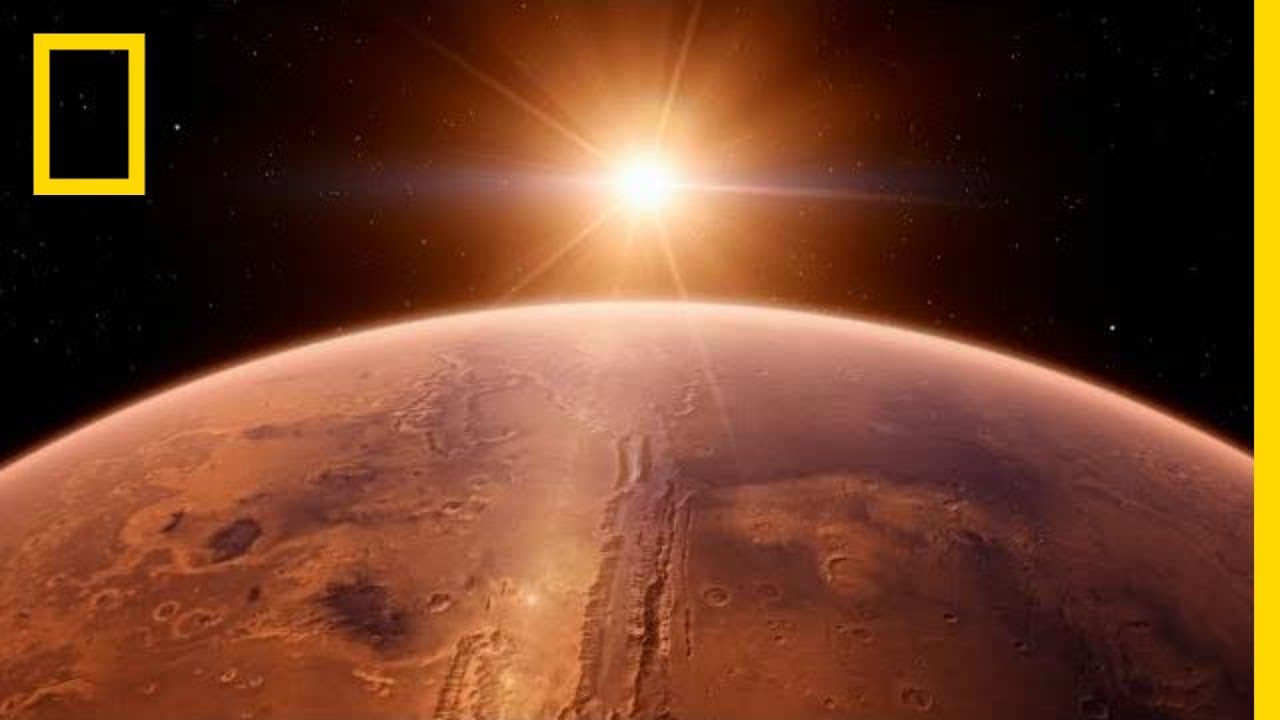
Mars 101 | National Geographic
4.2M views
•
May 31, 2018
by
National Geographic
YouTube video player
Mars 101 | National Geographic

TL;DR

Mars, once warm and active, is now dry and desolate. However, with the possibility of past and future water, scientists believe it may hold the key to sustaining life and the survival of humanity.

Transcript

to the ancient romans the planet mars was symbolic of blood and war but to many people today the red planet may hold the key for a bright new future for humanity the story of mars began about 4.5 billion years ago when gas and dust swirl together to form the fourth planet from the sun mars is the second smallest planet in the solar system with a di... Read More

Key Insights

  • 🛩️ Mars has a rocky composition similar to Earth, but is much smaller in size.
  • 😪 The planet's red color is due to rusting iron minerals in its crust.
  • 💦 Mars was once warmer, more geologically active, and had liquid water on its surface.
  • 🥶 Water still exists on Mars, mainly in the form of polar ice caps.
  • 🌋 Mars' volcanoes, including Olympus Mons, are now extinct.
  • 💦 Scientists speculate about the possibility of life on Mars due to past water presence.
  • 🍝 Mars missions have been launched to understand its past, present, and potential for sustaining life.

Install to Summarize YouTube Videos and Get Transcripts

Explore YouTube Video Summarizer or Get YouTube Transcript Extractor

Questions & Answers

Q: How did Mars get its red color?

Mars has a rusty red appearance due to iron minerals in its crust reacting with the trace amounts of oxygen in its atmosphere, causing it to rust.

Q: Is there any evidence of water on Mars?

Yes, lake beds and river valleys indicate the presence of liquid water in the past on Mars, and currently, water exists mostly in the form of polar ice caps.

Q: Are there any active volcanoes on Mars?

No, Mars' volcanoes, including Olympus Mons, the largest volcano in the solar system, went extinct around 50 million years ago.

Q: Why do scientists believe life may have existed or could exist on Mars?

The presence of water on Mars in the past, along with other factors, leads scientists to speculate about the possibility of life on the red planet.

Summary & Key Takeaways

  • Mars is the fourth planet from the Sun, with a rocky composition similar to Earth, but much smaller in size.

  • The planet's rusty red appearance is due to iron minerals reacting with oxygen in the atmosphere, symbolizing its prime days long past.

  • Mars was once warmer, geologically active, and had liquid water on its surface, but now it mainly exists in the form of polar ice caps.


Read in Other Languages (beta)

English

Share This Summary 📚

Summarize YouTube Videos and Get Video Transcripts with 1-Click

Download browser extensions on:

Try YouTube Summary with ChatGPT & Claude or YouTube Transcript Generator

Explore More Summaries from National Geographic 📚
What Is Renewable Energy and Why Is It Important? thumbnail
What Is Renewable Energy and Why Is It Important?
National Geographic
Filming Cliff-Jumping Geese: On Location | Hostile Planet thumbnail
Filming Cliff-Jumping Geese: On Location | Hostile Planet
National Geographic
Tutankhamun's Treasures (Full Episode) | Lost Treasures of Egypt thumbnail
Tutankhamun's Treasures (Full Episode) | Lost Treasures of Egypt
National Geographic
The Hardest Thing Ever | Alone in the Wild thumbnail
The Hardest Thing Ever | Alone in the Wild
National Geographic
Afghan IED Sweep | National Geographic thumbnail
Afghan IED Sweep | National Geographic
National Geographic
Building a Sled | Alaska: The Next Generation thumbnail
Building a Sled | Alaska: The Next Generation
National Geographic

Summarize YouTube Videos and Get Video Transcripts with 1-Click

Download browser extensions on:

Try YouTube Summary with ChatGPT & Claude or YouTube Transcript Generator

Apps & Extensions

  • Chrome Extension
  • Safari Extension
  • Edge Add-ons
  • Firefox Add-ons
  • iOS App
  • Android App

Key Features

  • YouTube Video Summarizer
  • Web & PDF Summarizer
  • Web & PDF Highlighter
  • Chat with PDF
  • Ask AI Clone
  • Audio Transcriber
  • Glasp Reader
  • Kindle Highlight Export
  • Idea Hatch

Integrations

  • Obsidian Plugin
  • Notion Integration
  • Pocket Integration
  • Instapaper Integration
  • Medium Integration
  • Readwise Integration
  • Snipd Integration
  • Hypothesis Integration

More Features

  • APIs
  • MCP Connector
  • Blog & Post
  • Embed Links
  • Image Highlight
  • Personality Test
  • Quote Shots

Company

  • About us
  • Blog
  • Community
  • FAQs
  • Job Board
  • Newsletter
  • Pricing
Terms

•

Privacy

•

Guidelines

© 2026 Glasp Inc. All rights reserved.