Concurrency in Indexed Structures - Transaction Management - Database Management System
TL;DR
This content discusses two protocols, the crabbing protocol and the B+ link tree protocol, that can be used to achieve concurrency in index structures like the B+ tree.
Transcript
click the bell icon to get latest videos from akira hello friends today we will talk about the concurrency in an index structure that means first we will take an index structures that the tree protocol or the two phase locking protocol but an index then we can use this index as in concurrency mechanism we will introduce this to protocol scrubbing a... Read More
Key Insights
- 🫰 Concurrency in index structures is achieved through protocols like the crabbing protocol and the B+ link tree protocol.
- 🫰 The crabbing protocol focuses on lookups, insertions, deletions, and splitting in B+ tree index structures by acquiring and releasing shared and exclusive locks.
- 🫥 The B+ link tree protocol improves concurrency by utilizing right sibling pointers in leaf nodes and following a two-phase locking protocol.
- 🔐 Both protocols provide concurrency control, but the B+ link tree protocol reduces the locking overhead by allowing exclusive locks only on specific keys.
- 🫥 The B+ link tree protocol offers increased concurrency by incorporating right sibling pointers and using shared and exclusive locks in a structured manner.
- 🔐 Next key locking protocol further enhances concurrency by also locking the next key in addition to the current key being accessed or modified.
- 🫰 Concurrency control in index structures ensures data consistency and efficient sharing of resources.
Install to Summarize YouTube Videos and Get Transcripts
Explore YouTube Video Summarizer or Get YouTube Transcript Extractor
Questions & Answers
Q: What is an index structure and why is concurrency important in it?
An index structure is a data structure that uses an indexing scheme to organize and retrieve data efficiently. Concurrency is important in index structures because multiple transactions may need to access or modify the same index simultaneously, and concurrency control ensures data consistency.
Q: How does the crabbing protocol achieve concurrency in B+ tree index structures?
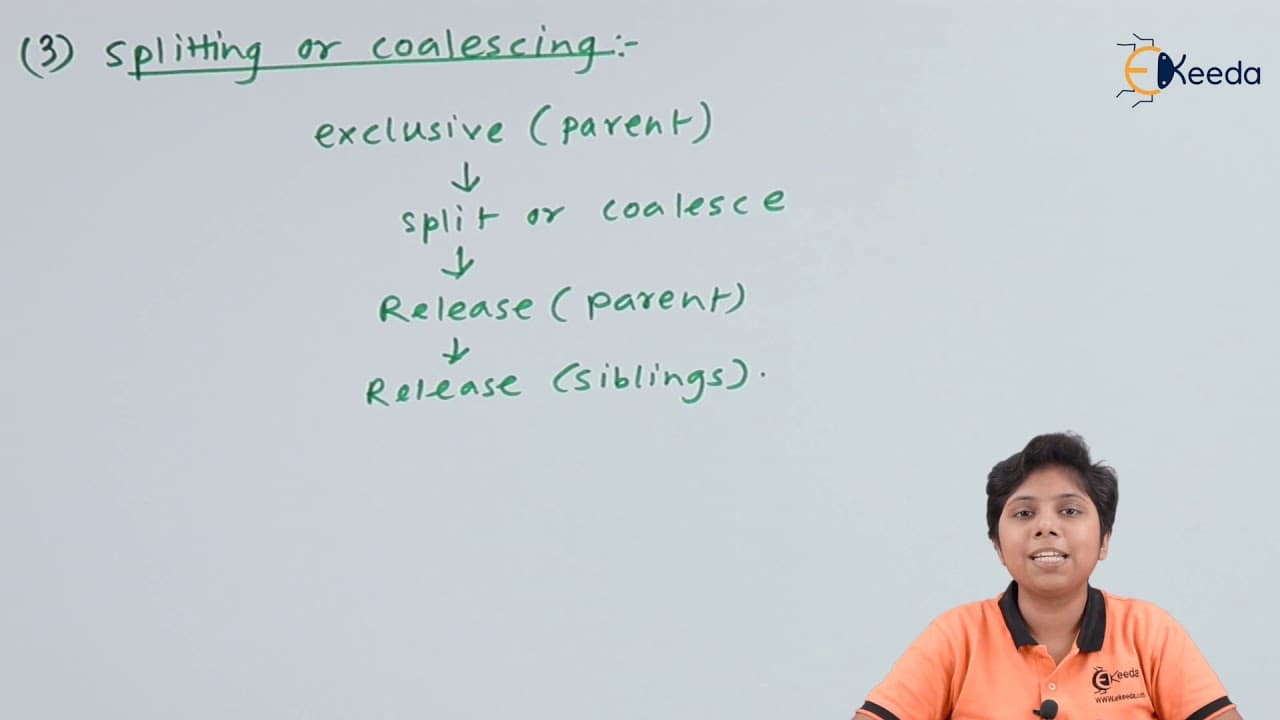
The crabbing protocol acquires shared locks while performing lookups and releases them as it progresses from the root to the leaf node. For insertions and deletions, shared locks are acquired on the parent nodes, and exclusive locks are provided if the target key is found. The protocol also uses a two-phase locking approach.
Q: What is the advantage of the B+ link tree protocol over the crabbing protocol?
The B+ link tree protocol improves concurrency by utilizing right sibling pointers in leaf nodes. It allows for exclusive locks on specific keys instead of acquiring locks on all nodes from the root to the leaf. This reduces the overhead of locking and improves performance.
Q: How does the B+ link tree protocol handle lookups, insertions, and deletions?
In the B+ link tree protocol, lookups acquire shared locks on specific keys for reading values. Insertions and deletions first acquire shared locks and then upgrade to exclusive locks if necessary. The protocol follows a two-phase locking approach, ensuring consistency and concurrency.
Summary & Key Takeaways
-
The content discusses the need for concurrency in index structures and introduces two protocols, the crabbing protocol and the B+ link tree protocol.
-
The crabbing protocol focuses on lookups, insertions, deletions, and splitting in the B+ tree index structure, achieving concurrency by acquiring and releasing shared and exclusive locks.
-
The B+ link tree protocol improves concurrency by utilizing right sibling pointers in leaf nodes and following a two-phase locking protocol.
Read in Other Languages (beta)
Share This Summary 📚
Summarize YouTube Videos and Get Video Transcripts with 1-Click
Try YouTube Summary with ChatGPT & Claude or YouTube Transcript Generator
Explore More Summaries from Ekeeda 📚




Summarize YouTube Videos and Get Video Transcripts with 1-Click
Try YouTube Summary with ChatGPT & Claude or YouTube Transcript Generator