How to Clear Brain Fog and Improve Mental Clarity

TL;DR
To clear brain fog, focus on three strategies: reduce overstimulation by minimizing screen time and practicing meditation, avoid procrastination by writing down tasks and goals, and prioritize general health through adequate sleep, proper hydration, and regular exercise. Implementing these methods can significantly enhance focus and cognitive function.
Transcript
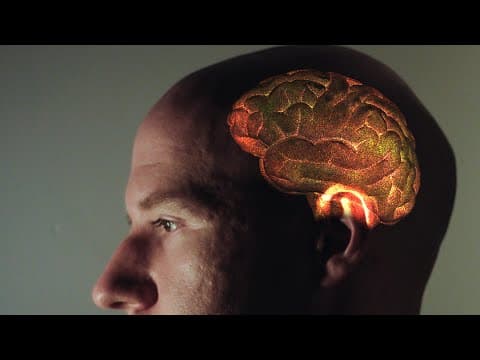
(relaxed music) - You know, as someone who wants to taper off caffeine, I'm not doing a very good job. Having an espresso machine right next to my desk is very dangerous and probably a stupid idea. So you know what's pretty crazy? The human brain is pretty crazy. It's such a fascinating machine, and we barely have scratched the surface of what it's... Read More
Key Insights
- 🧠 The human brain is complex and not fully understood, which can contribute to brain fog and difficulty focusing.
- 🔎 Overstimulation from digital environments and constant distractions can lead to scattered attention and worsen brain fog. Practicing meditation can help focus and reduce the effects of overstimulation.
- 📝 Procrastination and not keeping track of tasks can contribute to brain fog. Writing down goals, setting reminders, and staying organized can help reduce mental clutter.
- 💪 Good general health, including sufficient sleep, hydration, healthy eating, and exercise, is essential for reducing brain fog. Exercise, in particular, has cognitive benefits and can increase energy levels.
- 💡 Taking steps to prevent brain fog is crucial. Avoiding procrastination and effectively managing tasks can help prevent mental clutter and reduce brain fog. ⏰ Writing down and scheduling commitments and appointments can help free up mental space and reduce scattered attention.
- 😌 Optimizing one's health through exercise, sufficient sleep, hydration, and nutrition can significantly reduce brain fog.
- 💼 Brain fog can negatively impact productivity, confidence, and interactions with others. By addressing potential causes and implementing strategies to clear brain fog, individuals can enhance their focus and cognitive abilities.
Install to Summarize YouTube Videos and Get Transcripts
Explore YouTube Video Summarizer or Get YouTube Transcript Extractor
Questions & Answers
Q: How does overstimulation from technology contribute to brain fog?
Overstimulation from excessive screen time and attention dispersion can contribute to brain fog due to the constant fragmentation of attention and the psychological phenomenon of supernormal stimulus. This can make it difficult for the brain to focus and can lead to a state of mental fog or scattered thinking.
Q: How can practicing meditation help reduce brain fog?
Meditation can help train the brain to focus and reduce brain fog by allowing individuals to sit still with themselves and collect their scattered focus. By developing the ability to sit quietly and redirect attention, individuals can improve their ability to focus on tasks, conversations, and problem-solving, leading to clearer thinking and reduced brain fog.
Q: What role does organization and avoiding procrastination play in reducing brain fog?
Being organized and avoiding procrastination can help reduce brain fog by minimizing the number of things one's subconscious has to worry about. By writing down goals, tasks, and appointments and setting reminders, individuals can free up mental space and reduce the mental clutter that contributes to brain fog. This allows for better focus and a clearer mind.
Q: How does general health, including sleep, hydration, diet, and exercise, impact brain fog?
General health factors can have a significant impact on reducing brain fog. Getting enough sleep, staying hydrated, eating a nutritious diet, and engaging in regular exercise all contribute to improved brain function. Exercise, in particular, has been shown to have cognitive benefits and can provide a substantial boost in mental energy, leading to reduced brain fog.
Summary & Key Takeaways
-
The human brain is a complex machine and can experience periods of mental fog or brain fog, characterized by a lack of mental clarity, difficulty focusing, and decreased working memory.
-
Overstimulation from excessive screen time and attention dispersion can contribute to brain fog. Practicing meditation and reducing social media use can help train the brain to focus and reduce foggy thinking.
-
Procrastination and a lack of organization can also contribute to brain fog. Writing down goals, tasks, and appointments and avoiding procrastination can help reduce mental clutter and improve focus.
-
General health factors, including getting enough sleep, staying hydrated, eating well, and exercising regularly, can also have a significant impact on reducing brain fog.
Read in Other Languages (beta)
Share This Summary 📚
Summarize YouTube Videos and Get Video Transcripts with 1-Click
Try YouTube Summary with ChatGPT & Claude or YouTube Transcript Generator
Explore More Summaries from Better Ideas 📚





Summarize YouTube Videos and Get Video Transcripts with 1-Click
Try YouTube Summary with ChatGPT & Claude or YouTube Transcript Generator