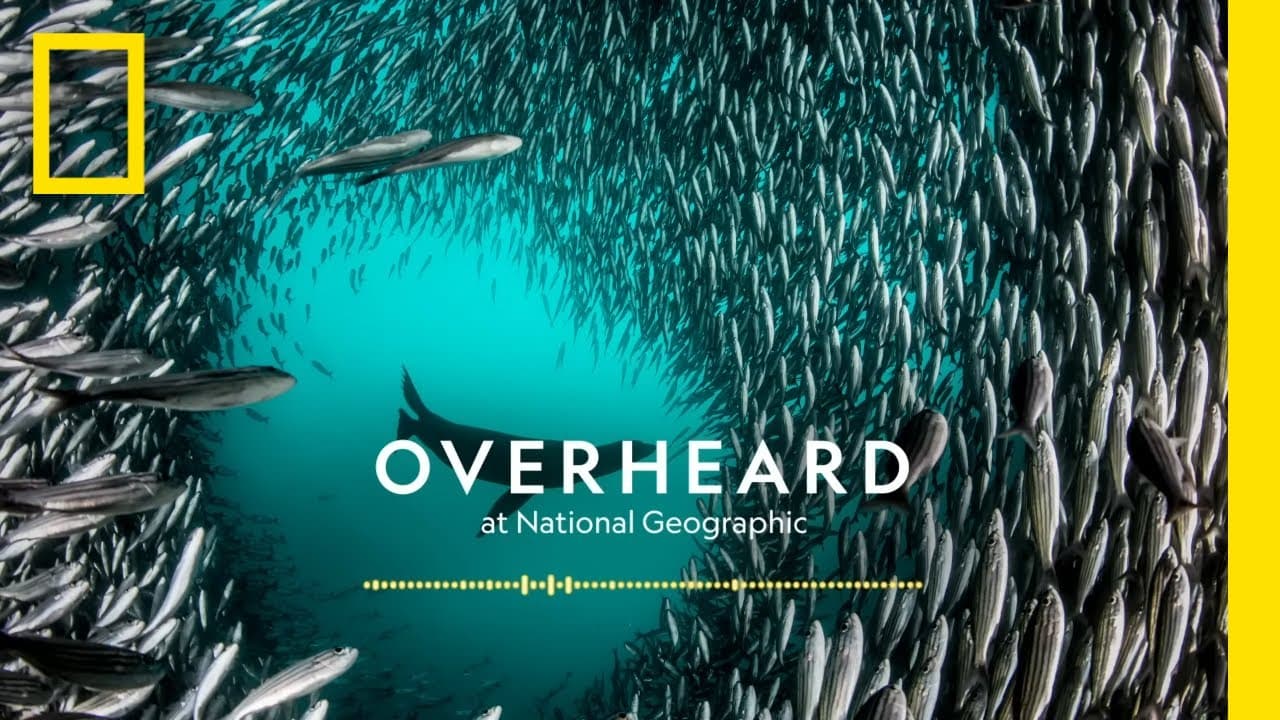
Exploring Pristine Seas | Podcast | Overheard at National Geographic
TL;DR
Explorer Enrique Salah discusses his experiences documenting rockhopper penguins and his work with National Geographic's Pristine Seas project to establish marine protected areas.
Transcript
foreign filming this this colony of rockhopper penguins and then all of a sudden we see the water boiling offshore wow what's what's that Explorer Enrique Salah found himself in the southern tip of Argentina on a remote island called Isla de Los Estados it's been off limits to tourism since 1923 when it was set aside as a reserve for fur seals it's... Read More
Key Insights
- 🏝️ Isla de Los Estados in Argentina is a remote island housing rockhopper penguins and other fascinating wildlife.
- 🛟 Pristine Seas aims to establish marine protected areas worldwide to preserve marine biodiversity.
- 🌊 Overfishing, ocean warming, and plastic pollution are the primary threats to the ocean's health.
- ❓ Individuals can make a significant impact by adopting a flexitarian or vegetarian diet, reducing their consumption of animal products.
- 🌊 Protecting 30% of the ocean in no-take areas can help regenerate the remaining 70% and ensure a sustainable future.
- 🛟 Pristine Seas has successfully established 26 marine preserves, covering an area twice the size of India.
Install to Summarize YouTube Videos and Get Transcripts
Explore YouTube Video Summarizer or Get YouTube Transcript Extractor
Questions & Answers
Q: What inspired Enrique to become interested in the ocean and marine life?
Enrique's fascination with the ocean began during his childhood summers spent on the Mediterranean coast of Spain. Watching Jacques Cousteau's "The Undersea World of Jacques Cousteau" fueled his passion for marine exploration.
Q: Why did Enrique transition from academia to launching Pristine Seas?
As a professor of marine ecology, Enrique realized that he wanted to do more than just document the ocean's decline. He believed it was essential to take action and work towards conservation, rather than simply documenting the problem.
Q: What are the biggest threats to the ocean?
Overfishing, ocean warming and acidification, and plastic pollution are the major threats to the ocean's health. These factors are causing significant harm to marine life and ecosystems.
Q: How can individuals contribute to protecting the ocean?
One of the most impactful actions individuals can take is to adopt a flexitarian or vegetarian diet, reducing their consumption of animal products. This helps conserve land, reduces greenhouse gas emissions, and promotes a healthier planet.
Summary & Key Takeaways
-
Enrique Sala visits Isla de Los Estados, a remote island in Argentina, to film rockhopper penguins and witness their unique behavior of jumping and zigzagging to escape potential predators.
-
He shares his journey in founding National Geographic's Pristine Seas project, which aims to protect the last remaining wild places in the ocean through exploration, research, and media.
-
Pristine Seas has successfully established 26 marine preserves spanning 6.5 million square kilometers, highlighting the importance of protecting marine biodiversity.
Read in Other Languages (beta)
Share This Summary 📚
Summarize YouTube Videos and Get Video Transcripts with 1-Click
Try YouTube Summary with ChatGPT & Claude or YouTube Transcript Generator
Explore More Summaries from Podcast | Overheard at National Geographic 📚


Summarize YouTube Videos and Get Video Transcripts with 1-Click
Try YouTube Summary with ChatGPT & Claude or YouTube Transcript Generator