Jorge Mañes Rubio: What should humans take to space (and leave behind)? | TED Fellows
TL;DR
In a new era of space exploration and colonization, the Moon Temple proposes to challenge current models and prioritize diverse cultural projections, traditions, and scientific research for a more sustainable and inclusive future.
Transcript
[SHAPE YOUR FUTURE] We are at the beginning of a new era for the future exploration and commercialization of space. First it will be the Moon and from there, Mars and the rest of the solar system. I've always been fascinated by space exploration, but at the same time troubled by its multiple implications. Historically, human exploration has led to ... Read More
Key Insights
- 🚀 Space exploration and colonization: The future of space exploration involves the Moon and Mars, but it's important to address the historical exploitation of people, land, and resources that has shaped an unfair world.
- 🌍 Cultural diversity and knowledge: The true achievement of humanity lies in our cultural diversity, rituals, beliefs, and knowledge. These rich legacies are not relics of the past but continue to thrive and should be valued for their significance.
- 💫 The role of culture in space exploration: Cultural, ethical, and spiritual matters are often overlooked in discussions about space exploration, but culture can give us purpose and meaning in the future.
- 🎨 Art as a means of appreciating diverse cultures: Through art, we can learn to appreciate multiple cultural dimensions without nostalgia or condescension, appreciating their knowledge and significance.
- 🙏 The power of ancient knowledge: Korean shamanism and other ancient forms of knowledge hold power and wisdom that can contribute to maintaining a fragile cosmic balance.
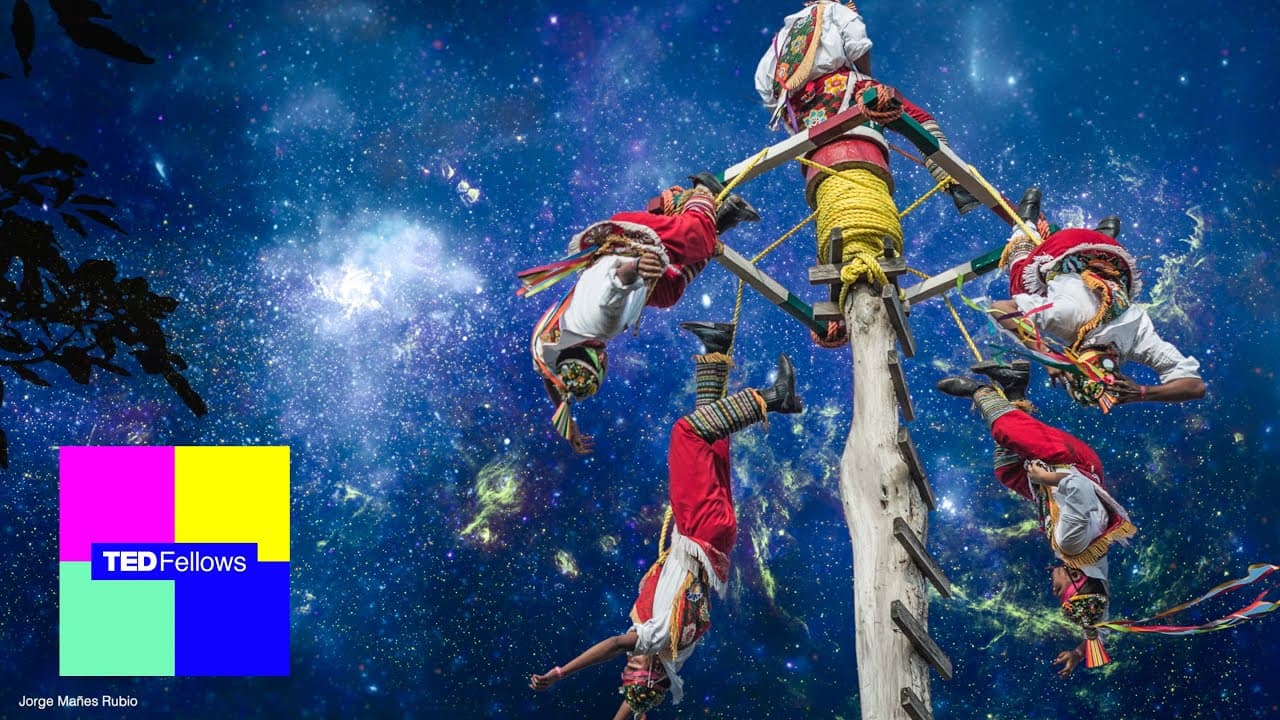
- 🌾 Indigenous wisdom and interconnectedness: Indigenous arts and traditions, like the Totonac culture in Veracruz, Mexico, showcase a holistic approach to education and emphasize the interconnectedness of disciplines and actions.
- 🌙 The Moon Temple: To challenge the current model of space colonization, the Moon Temple is proposed as a space for diverse cultural projections, traditions, and scientific research on the Moon's south pole.
- 🌍 Our interplanetary future: The Moon Temple represents an opportunity to bring together science, art, and ritual, breaking free from prejudices and embracing diverse personal narratives for a more responsible and inclusive future.
Install to Summarize YouTube Videos and Get Transcripts
Explore YouTube Video Summarizer or Get YouTube Transcript Extractor
Questions & Answers
Q: How can we stop perpetuating the same old colonial patterns in space exploration?
To avoid perpetuating colonial patterns in space exploration, it is important to recognize and address the historical exploitation of people, lands, and resources. This can be achieved by adopting ethical practices that prioritize fairness, inclusivity, and respect for diverse cultures. By promoting collaboration and equal partnerships between different nations and cultures, space exploration can be more equitable and sustainable for the future.
Q: Why is culture significant in the context of space exploration?
Culture has a vital role in space exploration as it gives us a sense of purpose and identity. It provides a framework for understanding the world and our place in it. By recognizing and appreciating different cultural dimensions, space exploration can benefit from a rich tapestry of knowledge and beliefs. Integrating cultural, ethical, and spiritual perspectives can enrich our experiences beyond the scientific and technological aspects of space exploration.
Q: How can ancient forms of knowledge contribute to our understanding of space exploration?
Ancient forms of knowledge hold immense value in space exploration as they offer unique insights into maintaining balance and harmony within the cosmic order. Traditional practices, rituals, and beliefs can provide wisdom that complements scientific understanding. By incorporating ancient forms of knowledge, we can access a deeper understanding of the universe and ensure a more holistic approach to space exploration.
Q: What does the Moon Temple represent and how does it challenge the current model of space colonization?
The Moon Temple, proposed by the artist, is a symbol of rebirth and renewal. It challenges the current model of space colonization by advocating for a future space that embraces diverse cultural projections, traditions, and scientific research. By building the Moon Temple on the Moon's south pole, using local resources and lunar microgravity, it showcases a vision of human presence on the Moon that goes beyond scientific exploration and includes cultural and spiritual dimensions.
Summary & Key Takeaways
-
The author believes that space exploration and colonization should not perpetuate historical patterns of exploitation and inequality.
-
They emphasize the importance of cultural diversity and the significance of cultural, ethical, and spiritual matters in space exploration.
-
The author proposes the construction of a Moon Temple on the rim of the Shackleton crater, which would serve as a space for cultural projections, traditions, and scientific research, symbolizing humanity's ancestral wisdom and embracing the diversity of human experience.
Read in Other Languages (beta)
Share This Summary 📚
Summarize YouTube Videos and Get Video Transcripts with 1-Click
Try YouTube Summary with ChatGPT & Claude or YouTube Transcript Generator
Explore More Summaries from TED 📚





Summarize YouTube Videos and Get Video Transcripts with 1-Click
Try YouTube Summary with ChatGPT & Claude or YouTube Transcript Generator