Tips for Correcting Forward Head
TL;DR
Learn strategies to correct forward head posture effectively.
Transcript
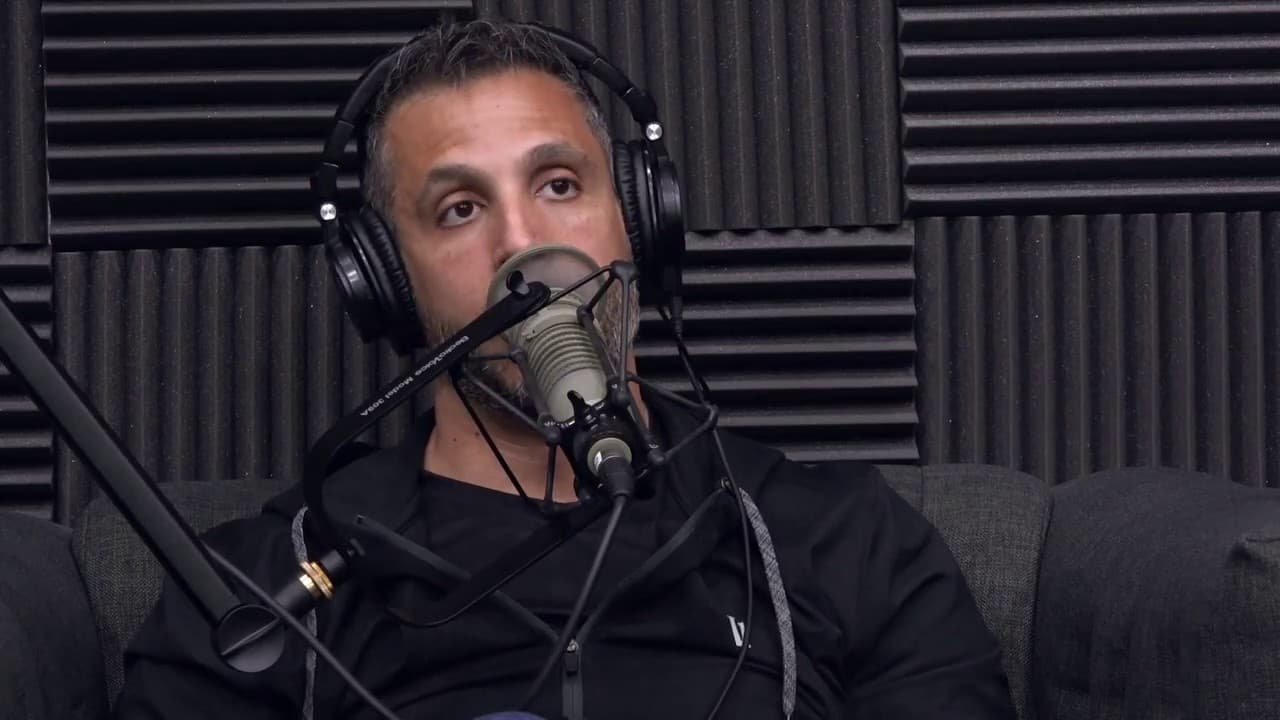
question is from Maxie Smith I've been addressing forward shoulder for about a year and have made good progress with my posture but my neck still shoots forward any tips or strategies to help with this yeah those are two separate things there yeah yeah so wrote when your shoulders roll forward usually it's also accompanied by the head forward posit... Read More
Key Insights
- Forward shoulder and forward head posture are related but require separate corrective strategies for effective improvement.
- A practical exercise involves standing against a wall, creating a double chin, and pushing the head back to lengthen the neck.
- Using a wall or stick as feedback can help reinforce proper neck alignment during various exercises and daily activities.
- Consistency is crucial; practicing corrective exercises throughout the day helps replace old habits with new, healthier ones.
- Incorporating neck positioning awareness into daily activities, such as using a headrest in the car, aids in habit formation.
- Corrective exercises should be done with perfect form and not high intensity, focusing on frequent repetition for best results.
- Zone 1 exercises and the prone cobra are recommended for targeting and improving forward head posture.
- Over time, consistent practice leads to natural improvements, making new posture habits second nature.
Install to Summarize YouTube Videos and Get Transcripts
Explore YouTube Video Summarizer or Get YouTube Transcript Extractor
Questions & Answers
Q: What is the relationship between forward shoulder and forward head posture?
Forward shoulder and forward head posture are often related, as both involve misalignment of the upper body. However, they require separate corrective strategies. Fixing one does not automatically fix the other, so it's important to address each issue individually with targeted exercises and consistent practice.
Q: What exercise can help improve forward head posture?
A recommended exercise for improving forward head posture involves standing against a wall with shoulders, heels, and the back of the head touching the wall. By creating a double chin and pushing the head back, individuals can lengthen the neck and reinforce proper alignment. Consistent practice is key to effectiveness.
Q: How can feedback tools aid in correcting posture?
Feedback tools like walls or sticks can aid in correcting posture by providing physical reference points. When practicing exercises, these tools help individuals feel when their head or neck is in the correct position. This tactile feedback reinforces proper alignment and helps develop muscle memory for maintaining good posture.
Q: Why is consistency important in posture correction?
Consistency is crucial in posture correction because it helps replace old habits with new, healthier ones. Practicing corrective exercises frequently throughout the day ensures that the new posture becomes second nature. Over time, consistent practice leads to natural improvements and reduces the risk of reverting to poor posture.
Q: What are Zone 1 exercises and how do they help?
Zone 1 exercises are designed to improve neck positioning and alignment. They involve using a wall or similar tool to provide feedback, helping individuals understand and maintain proper neck posture. These exercises are effective for addressing forward head posture and are recommended as part of a comprehensive posture correction routine.
Q: How can daily activities incorporate posture awareness?
Daily activities can incorporate posture awareness by using tools like headrests in cars to provide feedback on neck positioning. Practicing exercises like creating a double chin and lengthening the neck during routine activities helps reinforce good posture habits, making them more likely to become second nature over time.
Q: What is the prone cobra exercise and its benefits?
The prone cobra exercise is performed on the ground or a stability ball and focuses on strengthening the muscles that support proper neck and upper back posture. By emphasizing neck alignment and muscle control, this exercise helps correct forward head posture and improve overall upper body alignment when practiced consistently.
Q: How can posture correction become natural over time?
Posture correction can become natural over time through consistent practice and repetition of corrective exercises. By frequently reinforcing proper alignment and incorporating posture awareness into daily activities, individuals can develop new muscle memory. This leads to natural improvements, making good posture habits second nature without constant conscious effort.
Summary & Key Takeaways
-
The podcast addresses a listener's question about correcting forward head posture despite progress with forward shoulders. It emphasizes the need for separate strategies to address these issues and suggests practical exercises that can be incorporated into daily routines to improve neck alignment and posture.
-
Listeners are advised to practice exercises like standing against a wall, using a double chin to push the head back, and incorporating feedback tools like walls or sticks to reinforce proper neck positioning. Consistent practice throughout the day is crucial for replacing old habits with new, healthier ones.
-
The hosts highlight the importance of awareness and consistent practice in achieving natural posture improvements. They recommend using feedback from walls or headrests and practicing exercises like Zone 1 and prone cobra to effectively address forward head posture and make corrective habits second nature.
Read in Other Languages (beta)
Share This Summary 📚
Summarize YouTube Videos and Get Video Transcripts with 1-Click
Try YouTube Summary with ChatGPT & Claude or YouTube Transcript Generator
Explore More Summaries from Mind Pump Show 📚



Summarize YouTube Videos and Get Video Transcripts with 1-Click
Try YouTube Summary with ChatGPT & Claude or YouTube Transcript Generator