Davos 2017 - Issue Briefing: Ending Executive Pay
TL;DR
The discussion explores the complex factors contributing to the exponential growth in executive pay and proposes potential solutions for more equitable compensation.
Transcript
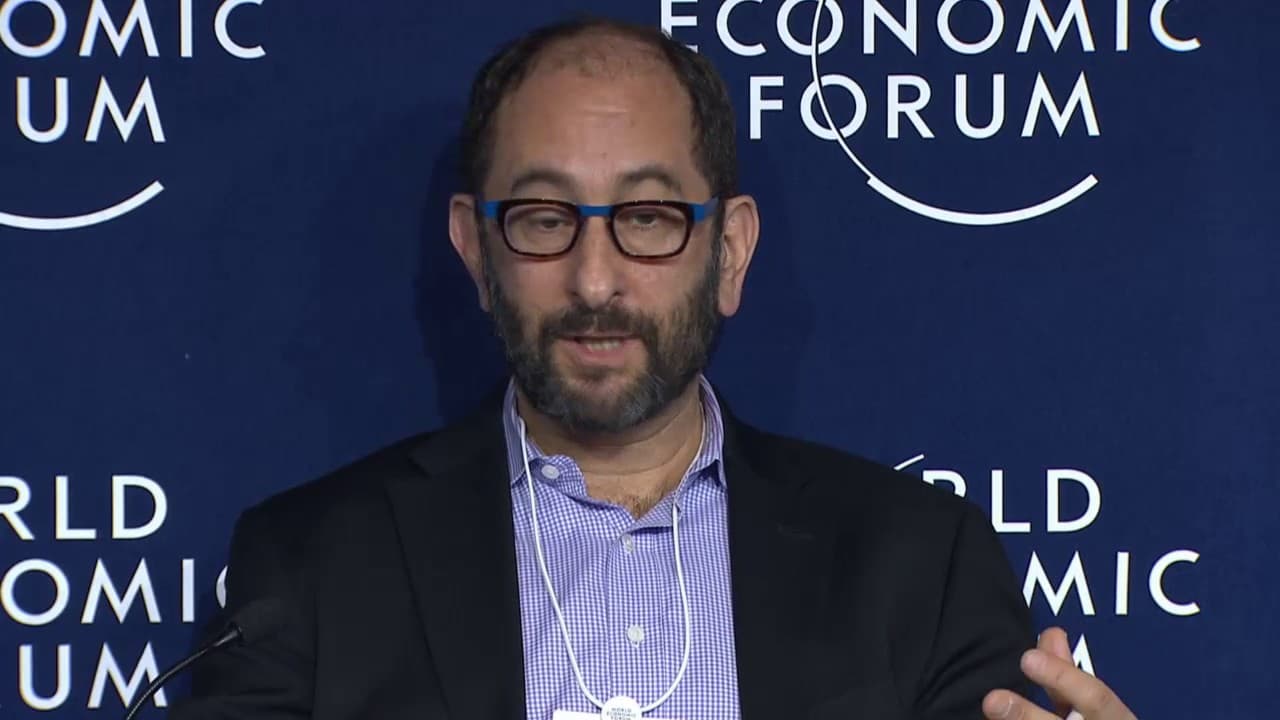
good afternoon everybody my name is Mike Hanley I work here at the World Economic Forum we're here this afternoon with a very interesting session with a very provocative title called ending executive pay we'll have to see by the end of the half hour whether we actually have ended executive pay I'm going to ask my guests to introduce themselves plea... Read More
Key Insights
- 🧑🏭 The complexity of executive pay is related to factors such as company size, industry, location, and cultural differences.
- ⚾ The increase in executive pay is driven by performance-based compensation, stock market performance, and a focus on being in the top quartile rather than the actual compensation amount.
- 🥺 Inequities in executive pay contribute to societal concerns and could lead to increased regulation if not addressed proactively.
- 🖐️ Compensation committees and institutional investors play a role in influencing executive pay decisions but need to ensure independence and diversity of perspectives.
Install to Summarize YouTube Videos and Get Transcripts
Explore YouTube Video Summarizer or Get YouTube Transcript Extractor
Questions & Answers
Q: Are there any strong evidence to support the correlation between executive pay and performance?
The correlation between executive pay and performance is not definitive. American CEOs make more money than their European counterparts, but their performance may not necessarily be better. Performance-based pay is influenced by various factors, including stock market performance.
Q: How can society counter the rising inequities caused by executive pay?
Implementing new incentives tied to environmental, social, and governance considerations could help create a more equitable compensation structure. Additionally, companies should prioritize collective compensation mechanisms rather than solely focusing on individual rewards.
Q: Are there any CEOs who have shown leadership by capping their compensation?
Warren Buffett is often cited as an example of a CEO who has capped his compensation. However, such examples are rare. There is a need for more responsible leaders who prioritize values, purpose, and sustainability in their compensation decisions.
Q: How can boards play a role in addressing the issue of executive pay?
Boards need to provide independent advice and better governance around compensation decisions. They should focus on fostering a culture of responsible leadership, ensuring transparency, and considering a broader range of perspectives when making compensation decisions.
Summary & Key Takeaways
-
CEO pay in the US has increased by 1,000% since the 1970s, while workers' salaries have risen by only 11% over the same period.
-
The increase in executive pay is mainly seen in large public companies, with private equity firms and family companies having their own distinct methods of compensation.
-
The rise in executive pay can be attributed to the linking of compensation to performance, increased transparency, cultural differences, and the increasing difficulty of the CEO role.
Read in Other Languages (beta)
Share This Summary 📚
Summarize YouTube Videos and Get Video Transcripts with 1-Click
Try YouTube Summary with ChatGPT & Claude or YouTube Transcript Generator
Explore More Summaries from World Economic Forum 📚

Summarize YouTube Videos and Get Video Transcripts with 1-Click
Try YouTube Summary with ChatGPT & Claude or YouTube Transcript Generator