How trying to solve death makes life, here and now, worse | Michael Shermer | Big Think
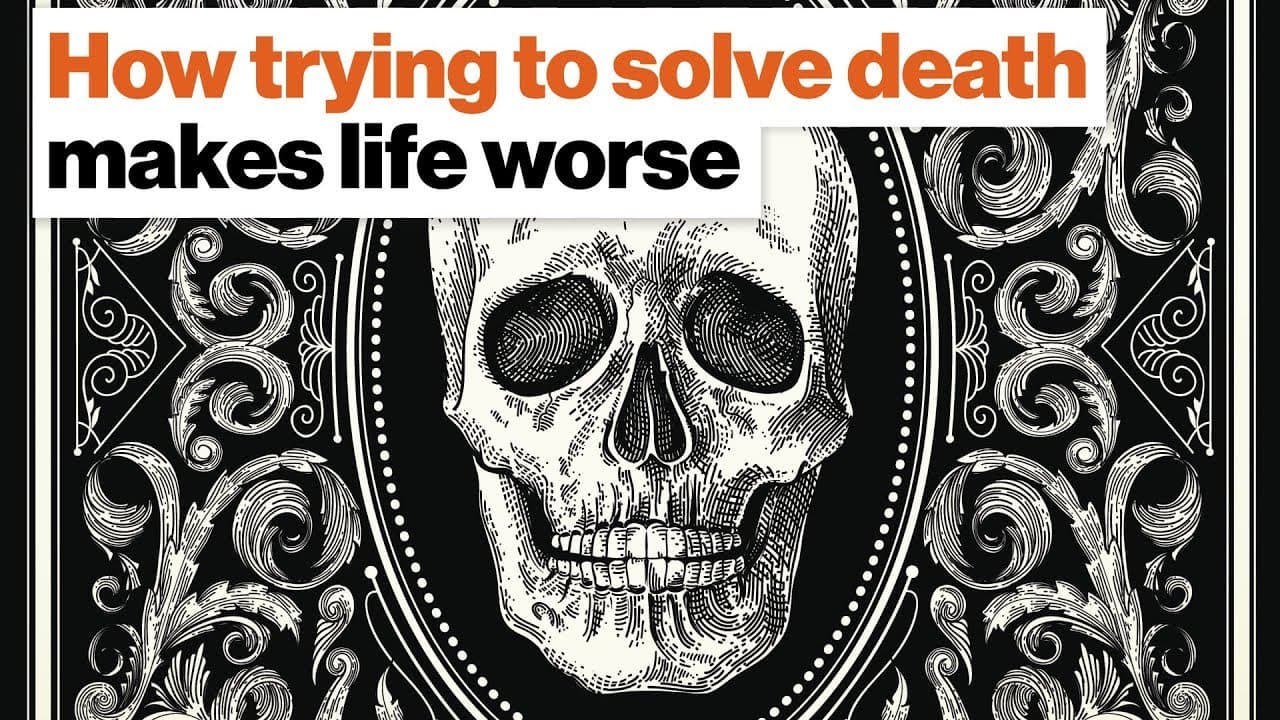
TL;DR
Incremental progress is the key to addressing complex health issues, rather than aiming for a utopian solution. The concept of an afterlife is based on wishful thinking and carries the risk of investing in the wrong belief system.
Transcript
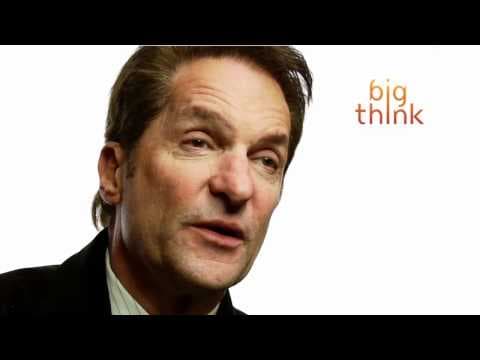
MICHAEL SHERMER: Yeah. Ray Kurzweil, I met Ray several times. He’s a super good guy; I like him a lot. And I’m glad he’s out there doing it in this sense. I’m not skeptical in a cynical way like I hope that those singularity people are wrong, no I hope they’re right. I hope he does it. I hope he lives forever because that means I may have a shot at... Read More
Key Insights
- 🧑⚕️ Incremental progress is essential in addressing complex health issues, such as cancer and Alzheimer's, rather than pursuing an all-encompassing solution.
- 🥺 Visionaries often overstate the timeline for their ideas, leading to unfulfilled promises throughout history.
- 🤔 The concept of an afterlife is based on wishful thinking but carries the risk of investing in the wrong belief system.
- 💀 Death is a paradox: we see it all around us, yet we cannot conceive of what it truly means to be dead.
- 🎁 It is important to appreciate the present and focus on the here and now, rather than fixating on an uncertain afterlife.
- 🔬 Believing in a specific religious doctrine and its afterlife poses the risk of investing in the wrong theory, as there are multiple conflicting beliefs.
- ❓ Pascal's wager is not applicable to deciding on a particular religion, as it fails to address the multitude of belief systems and their versions of the afterlife.
Install to Summarize YouTube Videos and Get Transcripts
Explore YouTube Video Summarizer or Get YouTube Transcript Extractor
Questions & Answers
Q: What is Michael Shermer's stance on Ray Kurzweil's idea of achieving immortality?
Shermer admires Kurzweil but believes in addressing health problems incrementally, rather than aiming for immortality. He hopes to live without brain disorders, cancer, and age-related ailments.
Q: Why does Shermer advocate for incremental progress?
Shermer believes that tackling health problems step by step is more realistic and effective than pursuing a grand utopia. The human body is complex, and unforeseen complications may arise from extended lifespans.
Q: Why does Shermer doubt Kurzweil's timeline for achieving immortality?
Shermer raises skepticism about visionaries always claiming that their ideas will become reality in their lifetime. He questions whether Kurzweil's timeline of 2040 is possible, suggesting it may take much longer, rendering it irrelevant for them.
Q: Why does Shermer caution against belief in an afterlife?
Shermer argues that the concept of an afterlife is based on wishful thinking, and religion often promises an afterlife that may not exist. Investing in the wrong belief system can lead to a wasted life.
Summary & Key Takeaways
-
Michael Shermer expresses skepticism towards Ray Kurzweil's idea of achieving immortality, highlighting the importance of addressing health issues one step at a time.
-
He suggests tackling individual health problems, such as cancer and Alzheimer's, rather than trying to achieve a grand utopia of immortality.
-
Shermer questions the tendency of visionaries to always predict that their ideas will come to fruition in their lifetime and reminds us of past unfulfilled promises of religious leaders and cult leaders.
Read in Other Languages (beta)
Share This Summary 📚
Summarize YouTube Videos and Get Video Transcripts with 1-Click
Try YouTube Summary with ChatGPT & Claude or YouTube Transcript Generator
Explore More Summaries from Big Think 📚


Summarize YouTube Videos and Get Video Transcripts with 1-Click
Try YouTube Summary with ChatGPT & Claude or YouTube Transcript Generator