Adultery in the Novel, from Flaubert to Sally Rooney
TL;DR
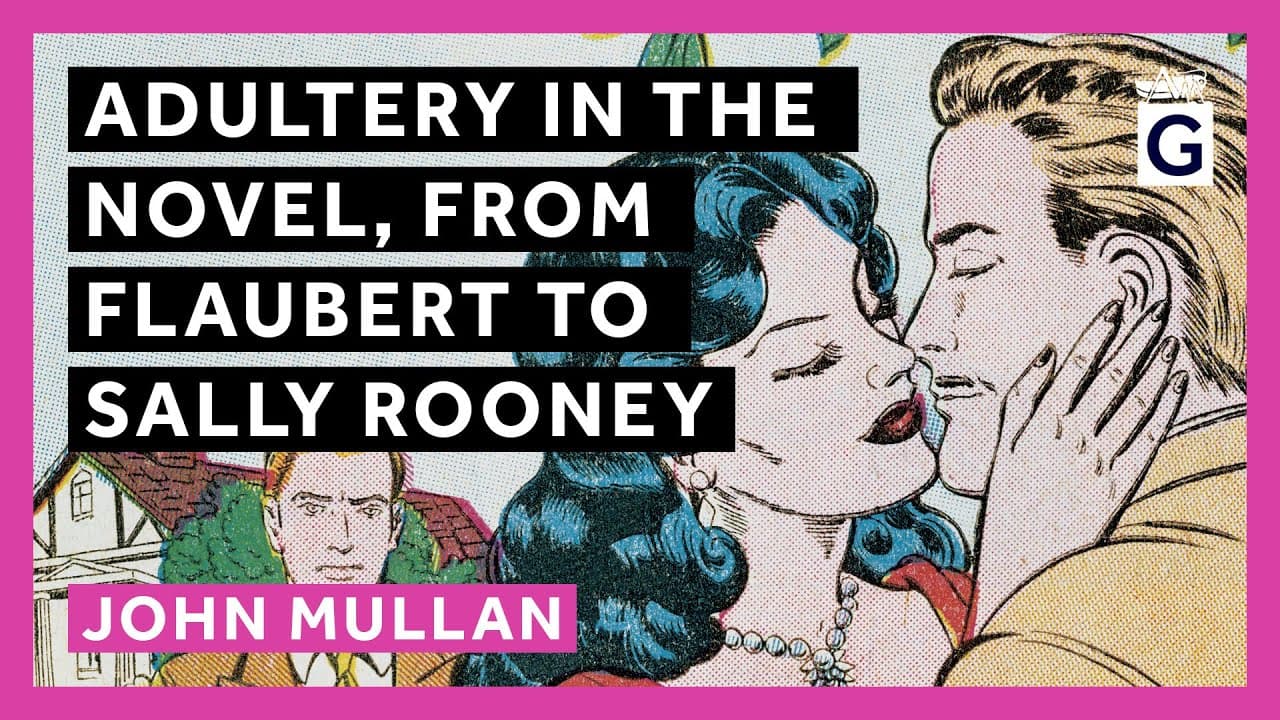
Adultery has been a recurring theme in novels for centuries, captivating writers and readers alike.
Transcript
- I hope you'll accept. It's a very interesting topic inherently so, and I hope I do it justice and also show why it is indeed an interesting topic to novelists. Why novelists are interested, have been over the last, I guess, 300 years in adultery. And I'm going to cover 300 years worth of novels, how they've been interested in adultery, but also p... Read More
Key Insights
- ❓ Adultery has captivated novelists for centuries, providing them with a topic that highlights human emotions, moral dilemmas, and societal expectations.
- 🍟 The treatment of adultery differs among cultures, with French novels often featuring more explicit and daring depictions compared to English novels.
- 💱 Adultery in fiction reflects the changing perception of infidelity in society, revealing the complexities of human relationships.
Install to Summarize YouTube Videos and Get Transcripts
Explore YouTube Video Summarizer or Get YouTube Transcript Extractor
Questions & Answers
Q: Why do novelists continue to be interested in the topic of adultery?
Adultery provides novelists with a rich source of conflict, moral ambiguity, and complex relationships. It allows them to explore themes of love, desire, betrayal, and the consequences of one's actions.
Q: How do French novels differ in their portrayal of adultery compared to English novels?
French novels often feature more explicit and daring depictions of adultery, whereas English novels of the 19th century tend to be more suggestive and rely on subtext. French authors like Gustave Flaubert push boundaries and explore the psychological and emotional aspects of adultery.
Q: Are there any American novels that explore adultery?
Yes, there are American novels that delve into the theme of adultery, such as John Updike's "Couples." However, the American treatment of adultery may differ from French and English novels, as it is influenced by cultural and societal factors.
Q: How has the perception of adultery changed over time?
Adultery has evolved from being seen as a sin with severe consequences to a more nuanced understanding of human relationships. Modern novels, such as Tessa Hadley's "Free Love," explore the aftermath of adultery and the complexities of marriage in a changing society.
Summary & Key Takeaways
-
Adultery has been a fascinating topic for novelists over the past 300 years, as they explore its allure and the moral complications it presents.
-
Novels like "Mansfield Park" by Jane Austen and "Madame Bovary" by Gustave Flaubert depict marriage and the consequences of infidelity.
-
The treatment of adultery in fiction varies across cultures, with French novels often being more explicit and daring compared to their English counterparts.
-
Even in modern novels like Tessa Hadley's "Free Love," adultery continues to be a compelling theme, raising questions about the changing perception of infidelity.
Read in Other Languages (beta)
Share This Summary 📚
Summarize YouTube Videos and Get Video Transcripts with 1-Click
Try YouTube Summary with ChatGPT & Claude or YouTube Transcript Generator
Explore More Summaries from Gresham College 📚





Summarize YouTube Videos and Get Video Transcripts with 1-Click
Try YouTube Summary with ChatGPT & Claude or YouTube Transcript Generator