How to Optimize for Google Quality Rater Guidelines
TL;DR
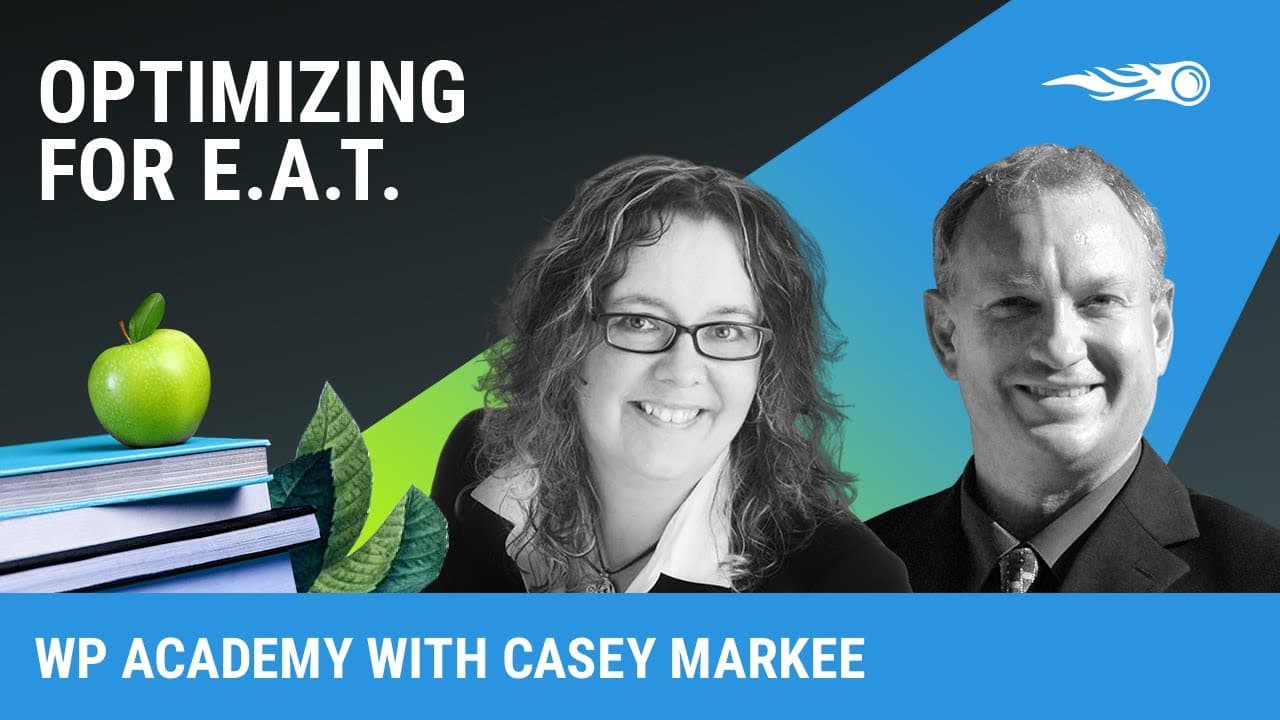
Google's Quality Rater Guidelines focus on EAT: Expertise, Authoritativeness, and Trustworthiness. These guidelines, while not directly used for ranking, inform Google's algorithm development. Websites can improve EAT by building authoritative content, getting reputable mentions, and ensuring clear author identification. Content should be user-focused, avoiding excessive ads and irrelevant information.
Transcript
Marren I see the live button well there we go fantastic okay I believe that we're live Marie how you doing I'm good Casey how are you fantastic how is life in the snowy northern wilderness almost melted so far we're gonna we're gonna have a lot of fun today we're gonna spend about an hour maybe two hours maybe three hours I don't know I'm talking a... Read More
Key Insights
- Google's Quality Rater Guidelines help assess website quality based on EAT: Expertise, Authoritativeness, and Trustworthiness.
- Quality raters are not the same as Google's web spam team; they provide feedback on search result quality.
- EAT is a significant factor in Google's ranking systems, influencing how content is evaluated.
- Your Money or Your Life (YMYL) sites, like medical or financial sites, are held to higher EAT standards.
- Building personal authority is crucial; authors should be clearly identified and recognized in their field.
- Google measures EAT through off-site links and mentions, indicating broader recognition of expertise.
- Content should be user-focused, avoiding excessive or intrusive ads that disrupt user experience.
- Regularly review and update your site's content to align with EAT principles and Google's guidelines.
Install to Summarize YouTube Videos and Get Transcripts
Explore YouTube Video Summarizer or Get YouTube Transcript Extractor
Questions & Answers
Q: How does Google use the Quality Rater Guidelines?
Google uses the Quality Rater Guidelines to inform its algorithm development. The guidelines focus on EAT: Expertise, Authoritativeness, and Trustworthiness, which guide how Google assesses content quality. While the guidelines themselves are not directly used for ranking, they help Google align its algorithms with what is considered quality content.
Q: What is EAT in SEO?
EAT stands for Expertise, Authoritativeness, and Trustworthiness. It is a concept used by Google to evaluate the quality of content. Expertise refers to the creator's knowledge in their field, authoritativeness is about the credibility of the creator or site, and trustworthiness relates to the reliability of the content. High EAT is crucial for YMYL sites.
Q: How can a site improve its EAT?
To improve EAT, a site should focus on building authoritative content, obtaining reputable mentions, and ensuring clear author identification. Authors should be recognized in their field, and content should be user-focused, avoiding excessive ads and irrelevant information. Regularly updating content to align with EAT principles is also recommended.
Q: What are Your Money or Your Life (YMYL) sites?
YMYL sites are those that can impact a person's future happiness, health, financial stability, or safety. Examples include medical, financial, and legal sites. These sites are held to higher EAT standards by Google, requiring clear expertise, authority, and trustworthiness in their content to rank well.
Q: Why is author identification important for EAT?
Author identification is crucial for EAT because it helps establish the expertise and authority of the content creator. Clearly identifying authors allows Google to connect their reputation and expertise with the content, enhancing its credibility. This is especially important for YMYL sites where trustworthiness is paramount.
Q: How does Google measure EAT?
Google measures EAT through off-site links and mentions, which indicate broader recognition of the content creator's expertise and authority. This means that having reputable sites reference or link to your content can enhance your EAT. It's about building a recognized authority and trustworthiness in your field.
Q: What role do ads play in content quality?
Ads can impact content quality if they are excessive or intrusive, disrupting the user experience. Google's Quality Rater Guidelines advise against ads that cover main content or are difficult to close. Ensuring that ads are not overwhelming and do not detract from the main content is important for maintaining high content quality.
Q: How often should content be updated for EAT?
Content should be regularly reviewed and updated to align with EAT principles. This involves ensuring that information remains accurate, relevant, and authoritative. Regular updates help maintain trustworthiness and can improve rankings, especially for YMYL sites where content accuracy is critical.
Summary & Key Takeaways
-
Google's Quality Rater Guidelines emphasize EAT: Expertise, Authoritativeness, and Trustworthiness, as key factors in assessing website quality. These guidelines, although not directly used for rankings, guide Google's algorithm development. Websites can enhance EAT by building authoritative content, obtaining reputable mentions, and ensuring clear author identification.
-
The guidelines stress the importance of user-focused content, advising against excessive ads and irrelevant information. For YMYL sites, higher EAT standards are applied, making it crucial for such sites to establish clear expertise and authority.
-
To improve EAT, authors should be clearly identified, and their expertise recognized in their field. Google measures EAT through off-site links and mentions, indicating a broader recognition of authority. Regularly reviewing and updating content to meet EAT principles is recommended.
Read in Other Languages (beta)
Share This Summary 📚
Summarize YouTube Videos and Get Video Transcripts with 1-Click
Try YouTube Summary with ChatGPT & Claude or YouTube Transcript Generator
Explore More Summaries from Semrush 📚



Summarize YouTube Videos and Get Video Transcripts with 1-Click
Try YouTube Summary with ChatGPT & Claude or YouTube Transcript Generator