Davos 2015 - Issue Briefing Currency Shocks
TL;DR
Currency shocks and deflationary pressures are still prevalent in the global economy, impacting global growth and inflation rates.
Transcript
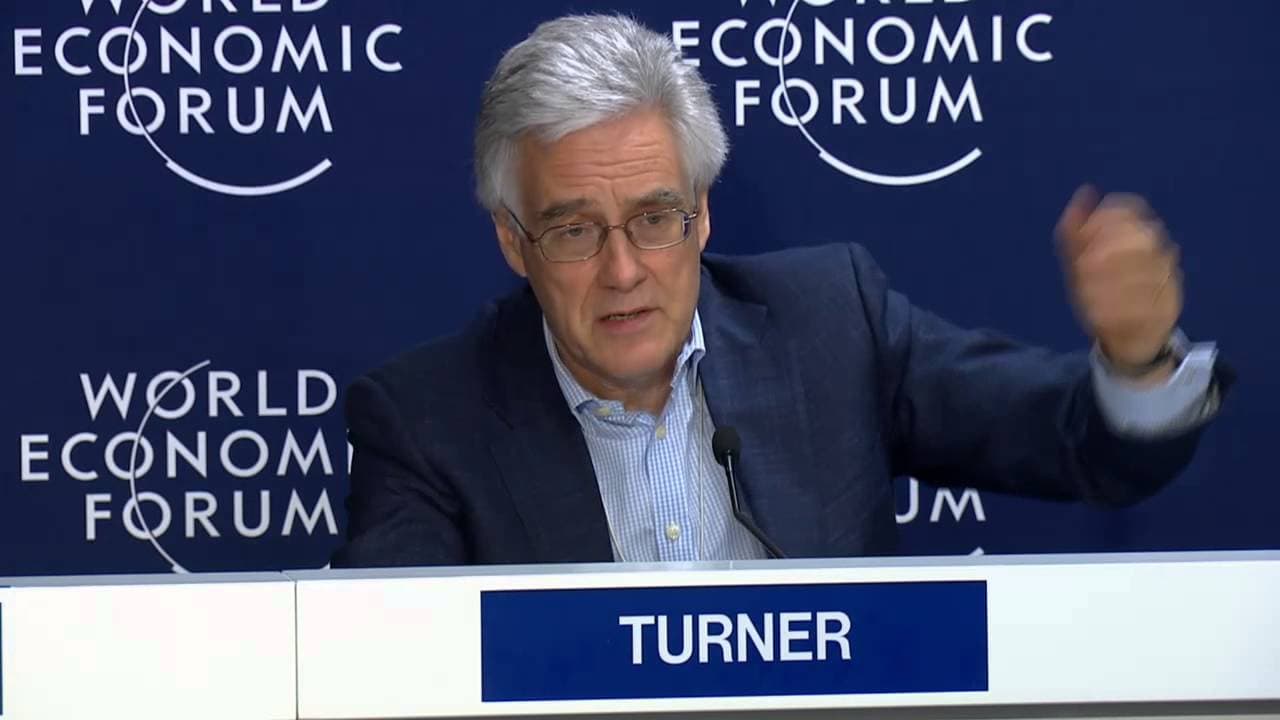
good afternoon ladies and gentlemen welcome here to our second issue briefing of the day welcome also to our audience watching us on our live stream platform weforum.org now very few issue briefings come up more topical than the one of currency shocks it's been a rather busy week for that i'm delighted to be joined by lord turner who's a senior fel... Read More
Key Insights
- 😀 The global economy is still facing deflationary pressures from the 2008 crisis, with debt being shifted from the private to the public sector and to developing economies like China.
- 🌐 China's economic slowdown has significant implications for the global economy, particularly for major commodity producers.
- 🐢 The European economy is expected to experience slow growth and low inflation, despite the measures taken by the European Central Bank.
- 💱 Multiple currencies around the world are trying to depreciate to stimulate their economies, creating potential volatility in currency markets.
- 💰 The US dollar is anticipated to appreciate against other currencies, which may create headwinds for the US economy.
- 🤳 Currency forecasts are notoriously difficult to make due to self-reinforcing expectations and market dynamics.
- 🫢 The impact of currency shocks on the bond market and overall financial stability is not a major concern, as financial institutions are now more resilient compared to the 2008 crisis.
Install to Summarize YouTube Videos and Get Transcripts
Explore YouTube Video Summarizer or Get YouTube Transcript Extractor
Questions & Answers
Q: What is the main global economic context surrounding currency shocks?
The global economy is still grappling with the deflationary impact of the 2008 crisis, as debt has been shifted from the private to the public sector and to developing economies like China.
Q: What is the outlook for Europe in terms of growth and inflation?
The outlook for Europe is one of slow growth and low inflation. Despite the European Central Bank's measures, it may not be sufficient to pull the eurozone fully out of the deflationary cycle.
Q: How are currencies around the world responding to the deflationary environment?
Many countries believe that a low currency can stimulate their economy, leading to an environment where multiple currencies are trying to depreciate. This creates challenges as not all currencies can go down simultaneously.
Q: What is the impact of currency shocks on the US economy?
Currency shocks create headwinds for the US economy, as it appreciates against other currencies. This appreciation may hinder the US's ability to escape the deflationary cycle and may contribute to slower growth.
Summary & Key Takeaways
-
Lord Turner highlights that the global economy is still grappling with the deflationary impact of the 2008 financial crisis, exacerbated by the shift of debt from the private to the public sector and to developing economies like China.
-
The European economy is expected to experience slow growth and low inflation, despite the European Central Bank's measures. The eurozone hopes for a weaker euro to stimulate its economy, but other currencies around the world are also trying to depreciate.
-
The winners and losers in this environment are difficult to predict, but it is anticipated that some currencies, like the US dollar, will appreciate against others, creating headwinds for the US economy.
Read in Other Languages (beta)
Share This Summary 📚
Summarize YouTube Videos and Get Video Transcripts with 1-Click
Try YouTube Summary with ChatGPT & Claude or YouTube Transcript Generator
Explore More Summaries from World Economic Forum 📚
Summarize YouTube Videos and Get Video Transcripts with 1-Click
Try YouTube Summary with ChatGPT & Claude or YouTube Transcript Generator