Can Gender Equality Help Solve Climate Change?
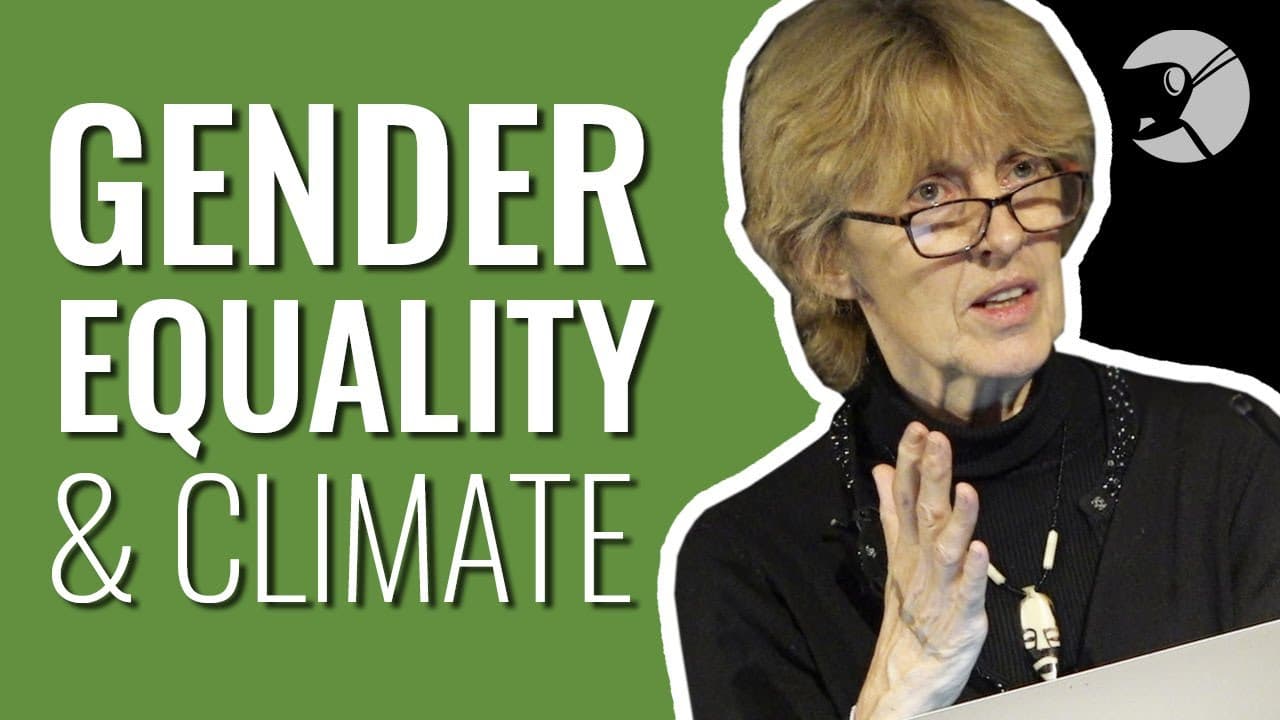
TL;DR
Gender inequality exacerbates the impact of climate change on women, who face disproportionate vulnerabilities and hardships in dealing with environmental disasters.
Transcript
right so tonight I'm gonna look at gender equality and whether or not it really is a key factor in trying to tackle climate change now many people think that's the case and so what I'm gonna do in this lecture is to really look at does that make sense is there reality is there evidence that can tell us that achieving gender equality and empowering ... Read More
Key Insights
- 🧔♀️ Climate change disproportionately affects women due to cultural norms, socioeconomic disparities, and their role in resource management.
- 🥺 Natural disasters have a greater impact on women and children, leading to increased vulnerabilities and hardships.
- 🤦♀️ Gender-based violence increases during and after environmental disasters, exacerbating the challenges faced by women.
- 🧔♀️ Women can be powerful agents in tackling climate change, but their voices and knowledge are often unheard and underutilized.
Install to Summarize YouTube Videos and Get Transcripts
Explore YouTube Video Summarizer or Get YouTube Transcript Extractor
Questions & Answers
Q: Does gender equality play a role in addressing climate change?
Yes, gender equality is crucial in tackling climate change as women face disproportionate vulnerabilities and hardships in dealing with its impact. Empowering women and including their voices in decision-making processes can lead to more effective climate change solutions.
Q: How are women affected differently by natural disasters?
Women often face greater vulnerabilities during natural disasters, such as earthquakes and hurricanes. They may experience higher rates of gender-based violence, loss of access to resources, and limited access to basic services, putting them at a disadvantage in disaster response and recovery efforts.
Q: Why is it important to consider gender in climate change policies?
Considering gender in climate change policies is essential because women have unique knowledge and experiences related to environmental issues. Their inclusion can lead to more comprehensive and effective strategies in building climate resilience and creating sustainable solutions.
Q: What role do cultural norms play in exacerbating gender inequalities in climate change?
Cultural norms can perpetuate gender inequalities in addressing climate change. For example, stereotypes that downplay the severity of storms named after females contribute to the dismissal of women's experiences and hinder effective response and preparedness efforts.
Summary & Key Takeaways
-
Women are disproportionately affected by climate change, facing greater vulnerabilities due to cultural norms, lower socioeconomic status, and disproportionate use of natural resources.
-
Gender stereotypes, such as the perception of storms named after females being less severe, contribute to the dismissal of women's experiences in climate change.
-
Natural disasters, such as earthquakes and hurricanes, have a greater impact on women and children, leading to increased hardships and gender-based violence.
-
Women can be key agents in tackling climate change, but their voices and knowledge are often unheard and untapped. Empowering women through education and inclusion is crucial in building climate resilience.
Read in Other Languages (beta)
Share This Summary 📚
Summarize YouTube Videos and Get Video Transcripts with 1-Click
Try YouTube Summary with ChatGPT & Claude or YouTube Transcript Generator
Explore More Summaries from Gresham College 📚


Summarize YouTube Videos and Get Video Transcripts with 1-Click
Try YouTube Summary with ChatGPT & Claude or YouTube Transcript Generator