How Do Animals Store Food for Later Consumption?
TL;DR
Animals have developed various ingenious strategies to store food, such as king penguins keeping nourishment in their stomachs for weeks and shrikes impaling prey on thorns. Red squirrels dry mushrooms in trees, moles stash worms in tunnels, and pikas collect hay with high tannin levels for winter consumption, demonstrating their ability to preserve and manage food resources effectively.
Transcript
It’s a pretty common problem. You have some food, you chow down ... and you get full, so you want to save some for later, when you’re hungry again. Or maybe you know that you won’t be able to get more food for a while, so you stockpile. You protect your stash from others, and try to keep it from spoiling. Now, I don’t want to sound like I’m braggin... Read More
Key Insights
- 😋 Penguins maintain undigested food in their stomachs by regulating acidity and releasing antimicrobial proteins.
- 😋 Shrikes impale their prey on sharp objects to butcher and detoxify them, enhancing their food options.
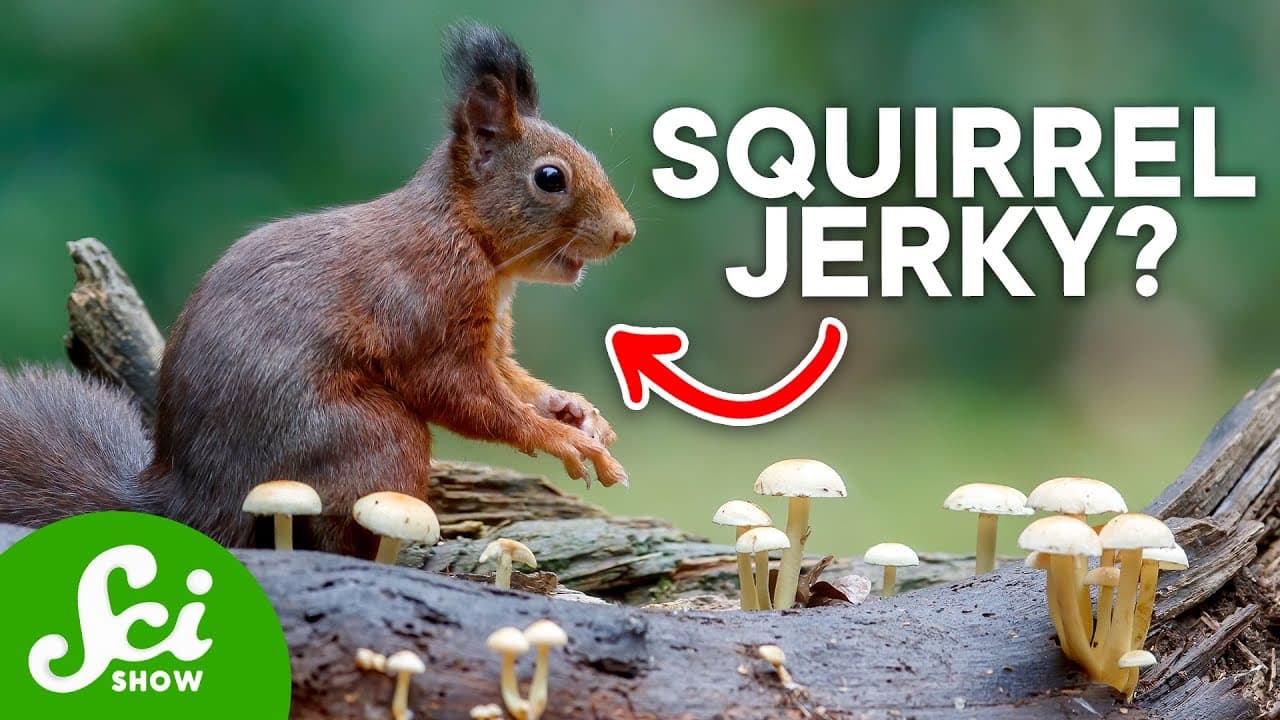
- 😪 Red squirrels hang and preserve mushrooms in trees, while moles stash earthworms in tunnel walls.
- ☠️ Shrews immobilize prey using venom and must store extra meals due to their high metabolic rate.
- ❄️ Pikas collect hay with high tannin levels to eat during winter, benefiting from tannin degradation over time.
- 🤔 Tayras pick fruits before they ripen, potentially suggesting prospective thinking ability in certain animals.
Install to Summarize YouTube Videos and Get Transcripts
Explore YouTube Video Summarizer or Get YouTube Transcript Extractor
Questions & Answers
Q: How do king penguins preserve undigested food in their stomachs without it rotting?
King penguins preserve food by regulating the acidity of their stomachs and releasing antimicrobial proteins to prevent bacterial and fungal growth. They also minimize stomach churning to keep the food fresh.
Q: Why do shrikes impale their prey on sharp objects?
Shrikes lack talons and crops, so impaling their prey allows them to butcher and store it for later consumption. It also detoxifies certain species, expanding their food options.
Q: How do red squirrels preserve mushrooms for winter?
Red squirrels hang various mushroom species to dry in trees, then stash them in hollows or tangles for future consumption. Some squirrels even preserve mushrooms in abandoned cabins.
Q: How do moles collect earthworms for their food stores?
Moles bite off the heads of earthworms to immobilize them and stash them in tunnel walls or special chambers near their nests. They actively collect worms throughout the year, with more in winter.
Summary & Key Takeaways
-
King penguins store undigested food in their stomachs for weeks at a time, providing nourishment for their chicks in case the female is delayed in returning with food.
-
Shrikes impale their prey on thorns or barbed wire to store and detoxify it, signaling to females their ability to provide and protect.
-
Red squirrels hang and preserve mushrooms in trees, while moles stash earthworms in tunnel walls, and shrews use venom to immobilize and store prey.
-
Pikas collect hay with high levels of tannins to eat during winter, and tayras pick fruits before they ripen to consume them at the right time.
Read in Other Languages (beta)
Share This Summary 📚
Summarize YouTube Videos and Get Video Transcripts with 1-Click
Try YouTube Summary with ChatGPT & Claude or YouTube Transcript Generator
Explore More Summaries from SciShow 📚


Summarize YouTube Videos and Get Video Transcripts with 1-Click
Try YouTube Summary with ChatGPT & Claude or YouTube Transcript Generator