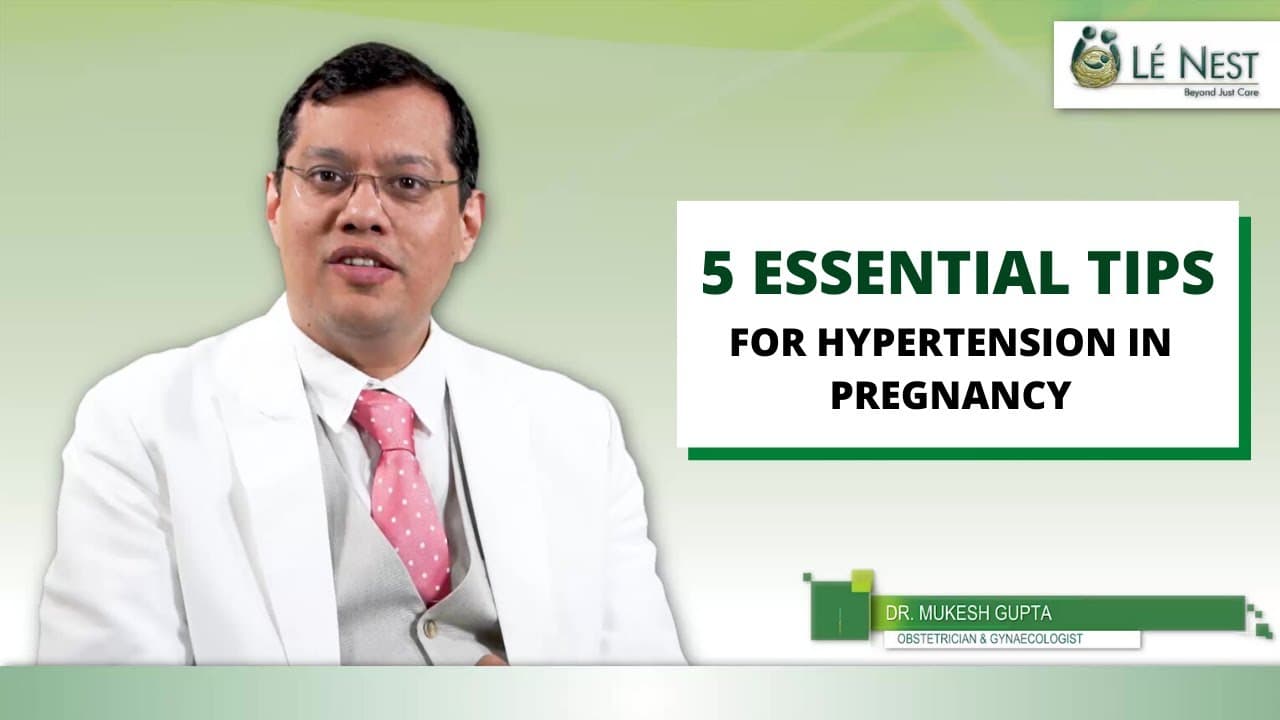
HYPERTENSION in Pregnancy - 5 Essential Tips (ENG) | DR. MUKESH GUPTA
TL;DR
Raised blood pressure in pregnancy can lead to complications such as swelling, proteinuria, and potentially convulsions.
Transcript
raise blood pressure or hypertension in pregnancy very often we come across the situation during the pregnancy what is this situation why do we get it who our interest for getting this problem what are the various signs and symptoms way by which doctors diagnose it last but not the least is when will you go to the doctor what are the warning sympto... Read More
Key Insights
- 🎵 Raised blood pressure during pregnancy can lead to complications such as swelling, proteinuria, and even seizures (preeclampsia).
- 🔍 Pregnant women, especially first-time mothers and those with a history of high blood pressure or obesity, are at risk of developing raised blood pressure.
- 🤔 The abnormal placentation and microvasculature in the mother's body are factors that contribute to raised blood pressure during pregnancy.
- 🩺 Doctors diagnose raised blood pressure in pregnant women through monitoring blood pressure, checking for swelling, and conducting urine examinations.
- 🔬 Screening for raised blood pressure in pregnancy can be done through blood tests, blood pressure monitoring, and sonography. ⏰ Warning symptoms that warrant a visit to the doctor include morning swelling, sudden weight gain, and symptoms such as headache, blurred vision, epigastric pain, or irritability.
- 💡 The development of further video content on managing raised blood pressure during pregnancy is promised.
- 🌟 Understanding the risks, symptoms, and diagnosis of raised blood pressure during pregnancy is crucial for proactive healthcare during this period.
Install to Summarize YouTube Videos and Get Transcripts
Explore YouTube Video Summarizer or Get YouTube Transcript Extractor
Questions & Answers
Q: What are the complications associated with raised blood pressure in pregnancy?
Raised blood pressure in pregnancy can lead to swelling or edema, proteinuria, and in severe cases, convulsions.
Q: What are the risk factors for raised blood pressure in pregnancy?
Risk factors for raised blood pressure in pregnancy include being pregnant for the first time, advanced maternal age, obesity, pre-existing conditions like high blood pressure or diabetes, and a family history of raised blood pressure.
Q: What are the common ways to diagnose raised blood pressure in pregnancy?
Doctors diagnose raised blood pressure in pregnancy by monitoring blood pressure levels, looking for swelling or edema, and conducting urine examinations to check for protein leakage.
Q: How can raised blood pressure in pregnancy be screened for?
Screening for raised blood pressure in pregnancy can be done through blood tests, blood pressure recordings, or sonography. Increased resistance of the nutrient artery or certain blood test results can indicate a risk of raised blood pressure in the future.
Q: When should a pregnant woman seek medical attention for possible raised blood pressure?
A pregnant woman should seek medical attention if she experiences swelling in the morning, sudden weight gain, or premonitory symptoms such as headache, blurred vision, epigastric pain, irritability, or restlessness.
Summary & Key Takeaways
-
Raised blood pressure during pregnancy can be caused by essential hypertension, gestational hypertension, or a superimposed situation.
-
Complications of raised blood pressure include swelling, proteinuria, and the potential for convulsions.
-
Risk factors for raised blood pressure in pregnancy include being pregnant for the first time, advanced maternal age, obesity, pre-existing conditions like high blood pressure or diabetes, and family history of raised blood pressure.
Read in Other Languages (beta)
Share This Summary 📚
Summarize YouTube Videos and Get Video Transcripts with 1-Click
Try YouTube Summary with ChatGPT & Claude or YouTube Transcript Generator