These Glaciers Cannot Melt
TL;DR
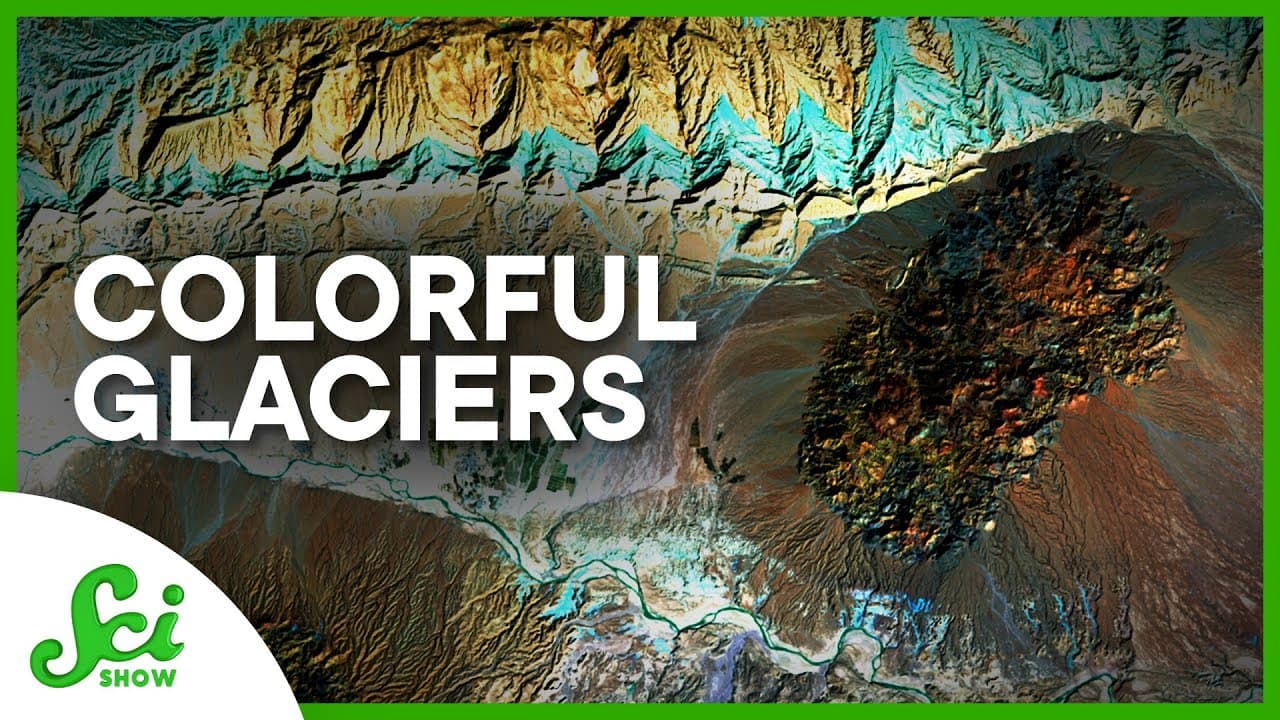
Salt glaciers in the Zagros Mountains are formed by ancient layers of salt rising towards the surface through buoyancy and pressure, creating impressive formations that can withstand the desert climate.
Transcript
[♪ INTRO] If you go explore the Zagros Mountains of Iran, you’ll find an astonishing sight: strange, multi-colored glaciers that don’t melt, even in the heat of the summer. But, if you get caught in a rainstorm, you can watch them start to dissolve away. That’s because they’re made not of ice, but of solid slabs of salt. And there’s another dif... Read More
Key Insights
- 🧂 The salt glaciers in the Zagros Mountains are composed of solid slabs of salt and do not melt like ice glaciers.
- 🧂 Ancient layers of salt rise towards the surface through buoyancy and pressure, forming salt domes and eventually salt glaciers.
- 😘 The salt glaciers can persist in the desert climate of the Zagros Mountains due to low rainfall.
- 🧂 The leaking salt from salt domes creates flowing salt glaciers that can be several kilometers long.
- 🧂 Impurities in the salt give the glaciers their vibrant colors.
- 🧂 Salt glaciers can also be found in other dry places, such as Onion Creek in Utah.
- 💁 The formation of salt glaciers is a slow process that can take millions of years.
Install to Summarize YouTube Videos and Get Transcripts
Explore YouTube Video Summarizer or Get YouTube Transcript Extractor
Questions & Answers
Q: How are the salt glaciers in the Zagros Mountains formed?
The salt glaciers are formed by ancient layers of salt that rise towards the surface due to buoyancy caused by pressure from rock layers above. This results in the formation of salt domes and eventually salt glaciers.
Q: Why don't the salt glaciers melt in the desert climate?
The salt glaciers can withstand the desert climate because they are made of solid slabs of salt. The low rainfall in the region prevents them from dissolving, allowing them to persist.
Q: Are salt glaciers only found in the Zagros Mountains?
No, salt glaciers can also be found in other dry places like Onion Creek in Utah. However, the Zagros Mountains are known for their spectacular examples of salt glaciers.
Q: What gives the salt glaciers their unique colors?
Impurities in the salt give the glaciers their remarkable colors. The different colors are a result of the presence of minerals and other substances within the salt.
Summary & Key Takeaways
-
The Zagros Mountains in Iran are home to multi-colored salt glaciers that do not melt and can resist rainstorms due to their composition.
-
These salt glaciers are formed by ancient layers of salt that have risen towards the surface over millions of years through buoyancy and pressure.
-
The leaking salt from salt domes in the Zagros Mountains creates flowing salt glaciers that can be several kilometers long, filled with crevasses and ridges.
Read in Other Languages (beta)
Share This Summary 📚
Summarize YouTube Videos and Get Video Transcripts with 1-Click
Try YouTube Summary with ChatGPT & Claude or YouTube Transcript Generator
Explore More Summaries from SciShow 📚


Summarize YouTube Videos and Get Video Transcripts with 1-Click
Try YouTube Summary with ChatGPT & Claude or YouTube Transcript Generator