International Market Update - 3/29
TL;DR
Falling bond yields worldwide have raised concerns about a recession, with inverted yield curves in the US adding to the worries.
Transcript
hi my name is Phoenix bomber for micro beetle called El Duque what a week we had with tremendous rallies in the bond market falling yields across the world that started to sort of give us some recession fears a lot of chatter about inverted yield curves in the US which people call like usually as a sort of sign for a recession within 300 dice which... Read More
Key Insights
- 🌐 Global bond market rallies indicate increasing concerns about a possible recession.
- ⏳ Australian bond yields reaching all-time lows highlight fears of a global economic slowdown.
- 🌐 The weakening Australian dollar reflects the potential impact of ongoing weakness in China and global concerns.
- 🇩🇪 Surging German bond yields and weak economic data suggest the possibility of a German recession.
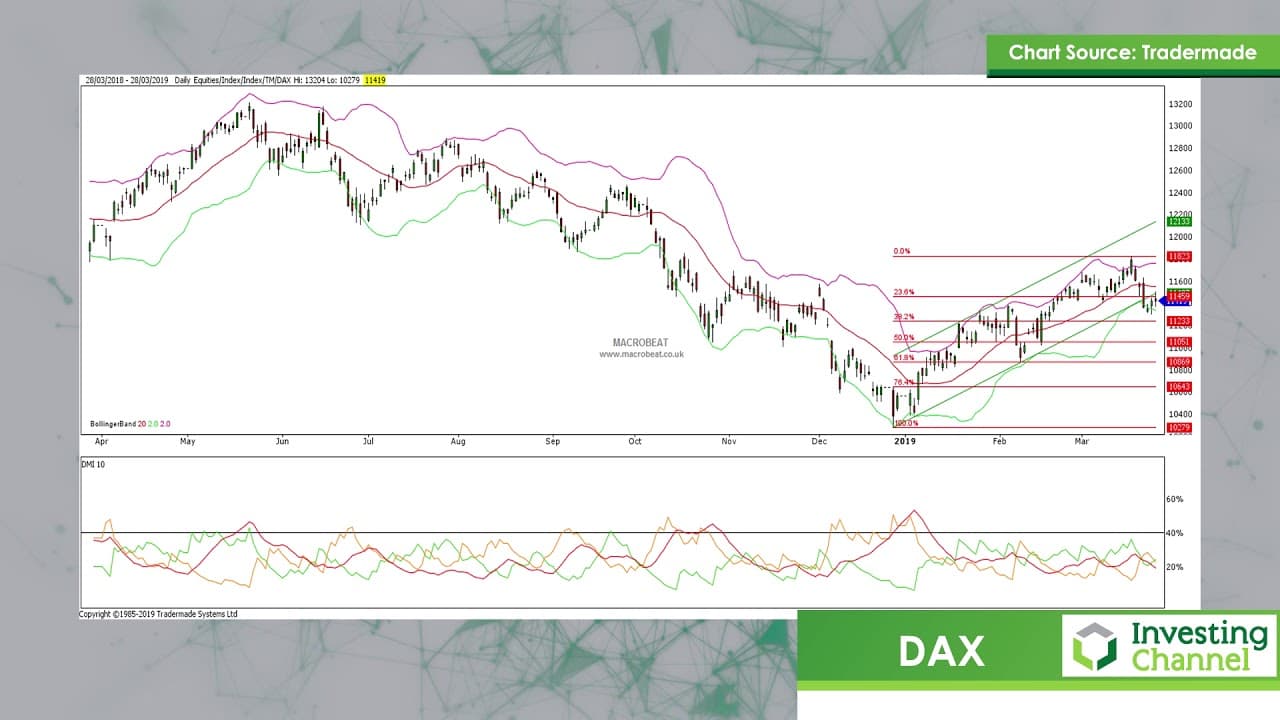
- 🤑 The breaking of the 2019 uptrend in European equities suggests concerns about the impact of cheap money and yields on the stock market.
- 📡 Bond market volatility may signal a potential decline in stocks, contrary to the market's current bullish sentiment.
- 😕 FX markets appear confused due to globally dropping yields, making it challenging to identify significant divergences between currencies.
Install to Summarize YouTube Videos and Get Transcripts
Explore YouTube Video Summarizer or Get YouTube Transcript Extractor
Questions & Answers
Q: What factors have led to the rally in the Australian bond market?
The global economic slowdown, coupled with hopes of a US-China trade deal, has increased economic uncertainty, leading to a rally in Australian bonds.
Q: What are the implications of the weakening Australian dollar?
If the current weakness in China and global concerns persist, the Australian dollar may plummet further, reaching levels seen during the 2008 financial crisis.
Q: Why have German bond yields surged recently?
Weak German economic data and concerns about a potential recession in Germany have caused German bond yields to rise, reaching levels not observed since 2016.
Q: How does the euro-yen exchange rate relate to bond yields?
The euro-yen exchange rate appears to be dislocated from bond yield levels, suggesting a potential decline in the euro-yen pair, aligning with fixed income market signals.
Summary & Key Takeaways
-
The Australian bond market has experienced a significant rally, reaching all-time lows in yields, reflecting global economic slowdown fears.
-
The weakening Chinese economy and global concerns may lead to a further decline in the Australian dollar, possibly reaching levels seen during the 2008 financial crisis.
-
Weak German economic data and the possibility of a German recession have caused a surge in German bond yields, reaching levels not seen since 2016.
-
The relationship between euro-yen exchange rates and bond yields suggests a potential decline in the euro-yen pair, aligning with the fixed income market's signals.
-
The breaking of the 2019 uptrend in European equities (tax) highlights that cheap money and yields are not positively impacting the stock market.
Read in Other Languages (beta)
Share This Summary 📚
Summarize YouTube Videos and Get Video Transcripts with 1-Click
Try YouTube Summary with ChatGPT & Claude or YouTube Transcript Generator
Explore More Summaries from InvestingChannel 📚

Summarize YouTube Videos and Get Video Transcripts with 1-Click
Try YouTube Summary with ChatGPT & Claude or YouTube Transcript Generator