Will Genetic Modification Create Perfect Humans?
TL;DR
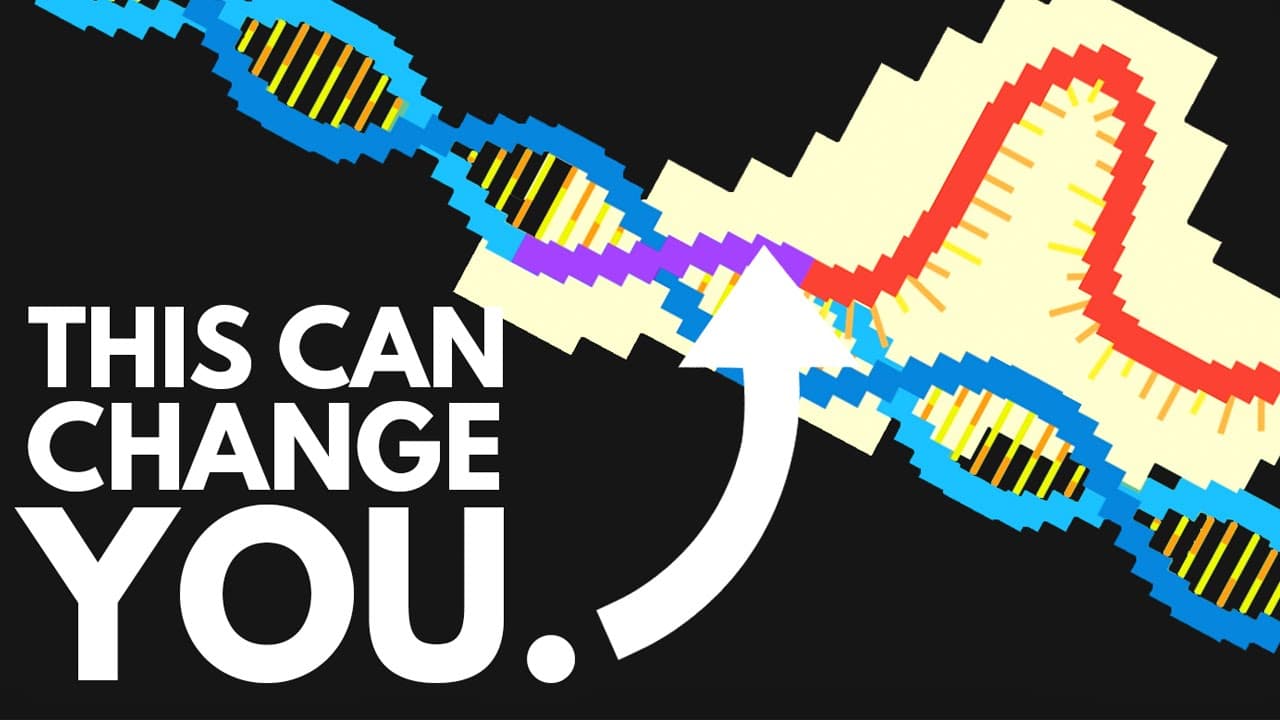
Scientists can now edit the genes of any living creature, including humans, using CRISPR technology, which has the potential to revolutionize research and the treatment of genetic diseases.
Transcript
Hey there and welcome to Life Noggin! While it may sound like science fiction, scientists now have an efficient, incredibly accurate way to edit the genes of any living creature -- including humans. This technology is called CRISPR and is going to change both the way research is done and the way genetic diseases are treated. But what exactly is it?... Read More
Key Insights
- 👨🔬 CRISPR technology enables precise gene editing, offering breakthroughs in scientific research and the potential for treating genetic diseases.
- 😒 Bacteria use CRISPR to remember and destroy viral DNA, providing an immune system-like defense mechanism.
- 🤫 CRISPR can be used in humans to replace, silence, or add genes, potentially leading to personalized medicine and improved treatments for genetic disorders.
- 🦟 The technology has already been applied to various advancements, including creating disease-resistant mosquitos and treating HIV and blindness.
- 👶 Ethical considerations arise from the ability to edit human genes, such as the creation of designer babies and the potential misuse of the technology.
Install to Summarize YouTube Videos and Get Transcripts
Explore YouTube Video Summarizer or Get YouTube Transcript Extractor
Questions & Answers
Q: What is CRISPR and how does it work in bacteria?
CRISPR stands for Clustered Regularly Interspaced Short Palindromic Repeat and is a system in bacteria that helps them remember and destroy viral DNA. It consists of short repeating DNA sequences called spacers that form a viral "most-wanted list," allowing the bacterium to identify and destroy invading viruses.
Q: How can CRISPR be used in humans?
In humans, CRISPR can be used to edit genes by designing guide RNA molecules and wrapping them in CRISPR-associated proteins like Cas9. This allows scientists to replace faulty genes, silence genes, or introduce new genes. It has the potential to treat genetic diseases and improve our understanding of gene functions.
Q: What are some applications of CRISPR technology?
CRISPR has been used to create mosquitos resistant to malaria, treat HIV and blindness, and modify human embryos for research purposes. It offers possibilities for developing personalized medicine, understanding the genetic basis of diseases, and potentially curing various genetic disorders.
Q: What are the ethical concerns surrounding CRISPR technology?
While CRISPR technology has immense potential, it raises ethical questions, such as the creation of "designer babies" and the implications of modifying the human germline. The technology is not yet used commercially, and ethical guidelines and regulations are being developed to address such concerns.
Summary & Key Takeaways
-
CRISPR technology allows scientists to edit genes with precision and accuracy, offering new possibilities for scientific research and the treatment of genetic diseases.
-
Bacteria use CRISPR to remember and destroy viral DNA, providing an immune system for these organisms.
-
In humans, CRISPR can be used to replace faulty genes, silence genes, or even add new genes, offering potential breakthroughs in treating genetic diseases.
Read in Other Languages (beta)
Share This Summary 📚
Summarize YouTube Videos and Get Video Transcripts with 1-Click
Try YouTube Summary with ChatGPT & Claude or YouTube Transcript Generator
Explore More Summaries from Life Noggin 📚





Summarize YouTube Videos and Get Video Transcripts with 1-Click
Try YouTube Summary with ChatGPT & Claude or YouTube Transcript Generator