How to Avoid Mistakes in Covered Call Trading
TL;DR
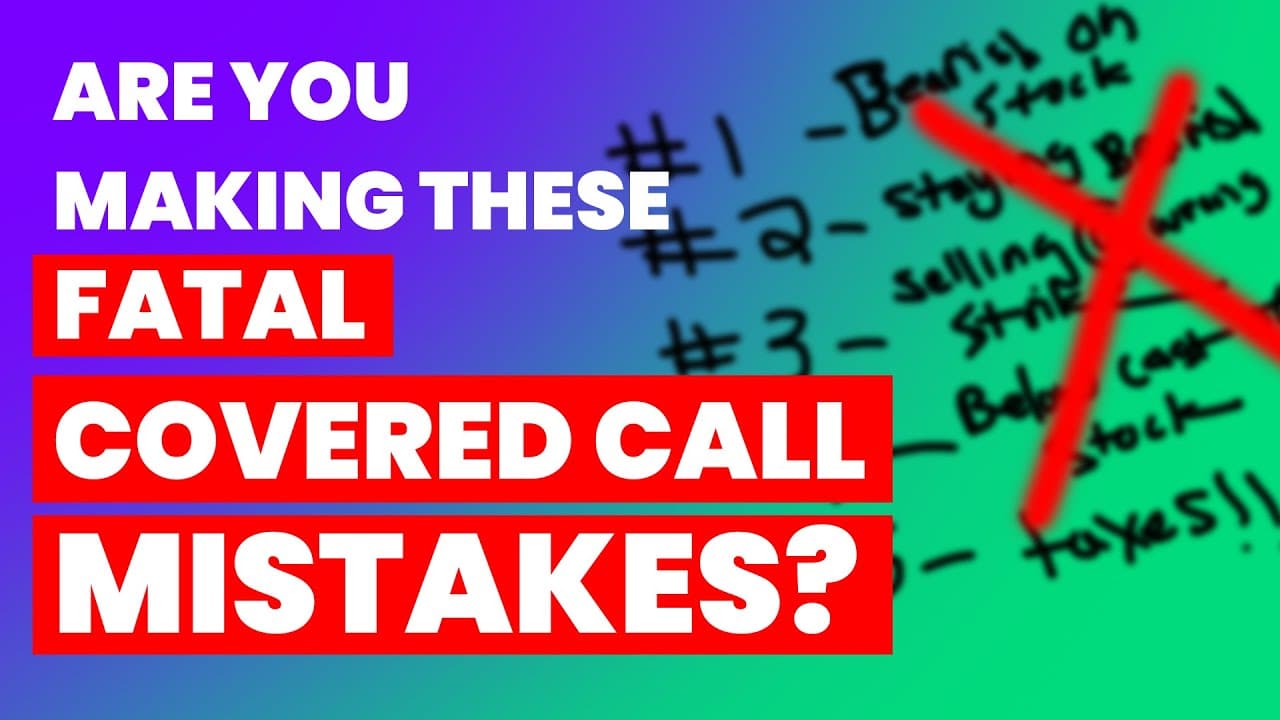
Avoiding common mistakes in covered call trading is crucial to enhancing portfolio returns. Key errors include selling calls on bearish stocks, staying in trades when bearish, selling calls on overly bullish stocks, setting strike prices too low, and triggering large capital gains taxes. Understanding these pitfalls helps traders maximize income from covered calls.
Transcript
most investors have become enamored with selling covered calls to make consistent income but few are aware of the deadly hidden mistakes that can make this a losing strategy in this video we cover the five fatal mistakes that you may be making without even knowing it and we help you avoid all of them I'm Mike bellafuri and we're one... Read More
Key Insights
- Covered calls are a strategy to enhance investment returns by selling call options on stocks you own.
- The key risk in covered calls is the stock price falling, which can negate the income from selling calls.
- Avoid selling covered calls on stocks you are bearish on, as the strategy works best with neutral or bullish outlooks.
- Do not stay in a covered call trade if you become bearish on the stock; it’s important to reassess regularly.
- Selling calls on stocks you are overly bullish on can cap potential profits if the stock price surges.
- Ensure strike prices for new calls are set above the original purchase price to avoid realizing losses.
- Selling covered calls on stocks with large unrealized gains can trigger significant tax liabilities.
- Properly executed, covered calls can significantly enhance long-term portfolio returns by generating additional income.
Install to Summarize YouTube Videos and Get Transcripts
Explore YouTube Video Summarizer or Get YouTube Transcript Extractor
Questions & Answers
Q: How to avoid losses with covered calls?
To avoid losses with covered calls, ensure you only sell calls on stocks you have a neutral or bullish outlook on. Reassess your position regularly, and exit trades if you become bearish. Avoid setting strike prices below your original purchase price to prevent realizing losses if the stock price rebounds.
Q: What are the risks of selling covered calls?
The primary risk of selling covered calls is a decline in the stock price, which can offset the income from the call premium. Additionally, if a stock you are very bullish on surges, covered calls can cap your potential gains. Selling calls on stocks with large unrealized gains can also trigger significant tax liabilities.
Q: Why should I not sell covered calls on bearish stocks?
Selling covered calls on bearish stocks is risky because the potential decline in stock value can outweigh the income from the call premium. Covered calls are most effective when used on stocks with a neutral or bullish outlook, as they rely on the stock price remaining stable or increasing.
Q: When should I exit a covered call trade?
Exit a covered call trade when your outlook on the stock turns bearish. Regularly reassess your position, and if you predict a decline in the stock's value, close the trade to avoid potential losses. Maintaining discipline in exiting trades is crucial for successful covered call strategies.
Q: How can covered calls limit potential gains?
Covered calls can limit potential gains if the stock price surges beyond the strike price, as you are obligated to sell the stock at the strike price, capping your profit. This is particularly detrimental if you are overly bullish on the stock and expect significant price increases.
Q: What is the impact of strike price on covered call outcomes?
The strike price determines the price at which you may be obligated to sell the stock. Setting it too low can result in realized losses if the stock price rebounds. It's crucial to set strike prices above your original purchase price to protect against losses and maximize potential gains.
Q: Why avoid covered calls on stocks with large unrealized gains?
Selling covered calls on stocks with large unrealized gains can trigger significant tax liabilities if the stock is assigned and sold. The capital gains tax on the realized gain can outweigh the income from the call premium, making it an unfavorable strategy for such stocks.
Q: How do covered calls enhance portfolio returns?
Covered calls enhance portfolio returns by generating additional income through call premiums. When executed correctly, they provide a steady income stream while allowing for potential stock price appreciation. However, avoiding common mistakes is crucial to maximizing the benefits of this strategy.
Summary & Key Takeaways
-
Covered calls are an effective strategy for generating income from stocks you own, but they come with risks. Avoid selling calls on stocks you believe will decline in value, as this can lead to losses despite the premium income. Ensure you regularly evaluate your position and exit trades if your outlook turns bearish.
-
Selling covered calls on stocks you are extremely bullish about can limit your potential gains. If you expect a stock to rise significantly, holding the stock without selling calls may be more profitable. Additionally, setting strike prices too low can result in realized losses if the stock price rebounds.
-
Be cautious when selling covered calls on stocks with large unrealized gains, as this can lead to substantial tax liabilities. The covered call strategy is best used with a disciplined approach, avoiding common mistakes that can diminish the benefits of this options trading technique.
Read in Other Languages (beta)
Share This Summary 📚
Summarize YouTube Videos and Get Video Transcripts with 1-Click
Try YouTube Summary with ChatGPT & Claude or YouTube Transcript Generator
Explore More Summaries from SMB Capital 📚





Summarize YouTube Videos and Get Video Transcripts with 1-Click
Try YouTube Summary with ChatGPT & Claude or YouTube Transcript Generator